Medical Expenses & Repatriation in Travel Insurance Claims: Guidance from Lacey Solicitors

Travel insurance claims involving medical expenses and repatriation are rising. This was highlighted recently when Damian McGeady, Partner at Lacey Solicitors, appeared on BBC Radio Ulster Talkback to discuss the realities of these claims in practice.

The discussion was framed around a real-life case involving Stephen, a business owner who suffered a heart attack while on holiday and was left stranded in Spain for weeks, reportedly thousands of pounds out of pocket. The case highlights how quickly travel insurance disputes can escalate—and how critical it is to understand both your rights and obligations.


What Are Medical Expenses and Repatriation?


Most travel insurance policies provide cover for:

  • Emergency medical treatment abroad
  • Hospital stays, medication and care
  • Medical evacuation where necessary
  • Repatriation, that is, returning you safely to the UK

However, these benefits are subject to policy terms, medical assessments, and insurer approval processes.


Issues Highlighted on BBC Talkback


One of our Partners, Damian McGeady appeared as a guest on BBC Talkback on 23rd April 2026 and explained the delicate balance in these claims:

  • Insurers are entitled to investigate claims and rely on the policy wording
  • Policyholders are entitled to fair, proportionate treatment—particularly when dealing with illness or distress abroad

The claims process should be robust, but not unnecessarily burdensome.


Common Disputes in Medical Travel Claims


Delays in Accepting Claims

Delays can have serious consequences abroad. The key questions are:

  • Was the delay reasonable?
  • Could more have been done to progress the claim?
  • Did the delay worsen the situation?

Pre-Existing Medical Conditions

A frequent ground for refusal.

The issue is whether:

  • There was full and honest disclosure, and
  • Any non-disclosure was material

Not every omission will invalidate a claim – but some will.  As Damian highlighted in the interview, failure to disclose relevant history is not necessarily a death knell to the claim.

Private vs Public Hospital Treatment

Many policies restrict cover to public hospitals.

However as outlined by our Mr McGeady, claims may still succeed where:

  • Treatment was urgent
  • There was no real choice of hospital
  • Suitable public care was unavailable
  • Remaining in a public facility was unreasonable

Failure to Contact the Insurer

Policies often require early contact.

But:

  • Claims should not automatically fail for failing to call
  • The focus is on whether treatment was necessary and reasonable

Repatriation Disputes

Disagreements often arise between:

  • Treating doctors, and
  • Insurer-appointed medical teams

These disputes focus on:

  • When a patient is fit to fly
  • The method of transport
  • Whether repatriation is appropriate at all

Insurers may choose a cost-effective option, provided it does not negatively impact recovery.


The Role of the Financial Ombudsman


Where disputes cannot be resolved, complaints can be referred to the Financial Ombudsman Service.

They will assess:

  • Policy wording
  • Medical evidence
  • The conduct of both parties

Their approach is not purely technical—they aim to reach a fair outcome in all the circumstances.


Practical Advice for Travellers


  • Ensure full disclosure when purchasing insurance
  • Carry a GHIC or EHIC card when travelling
  • Contact your insurer as early as possible
  • Keep all receipts and medical documentation
  • Check your policy position on private treatment

A Real-World Reminder


The case involving Stephen is a stark reminder that even where insurance is in place, difficulties can arise in:

  • Confirming cover
  • Managing treatment abroad
  • Arranging repatriation
  • Controlling costs

As highlighted on BBC Radio Ulster Talkback, understanding the process—and getting early advice—can make a significant difference.


How Lacey Solicitors Can Help


At Lacey Solicitors, we act for both insurers and policyholders. This gives us a practical, balanced perspective on:

  • Challenging unfair claim refusals
  • Advising on policy interpretation
  • Resolving disputes efficiently

Our focus is on achieving outcomes that reflect both the policy terms and the real-world circumstances faced by individuals abroad.


Need Advice?


If you are dealing with a travel insurance dispute involving medical expenses or repatriation, we can assist with clear, strategic advice grounded in experience.

How Northern Ireland Courts Assess Damages for Multiple Injuries

Valuing personal injury claims involving multiple injuries remains one of the most nuanced and, at times, unpredictable aspects of litigation in Northern Ireland. While the Guidelines for the Assessment of General Damages in Northern Ireland (the Green Book) provide a structured starting point for individual injuries, they do not prescribe how those injuries should be combined into a single global award.

For insurers and practitioners, the difficulty lies not in identifying the value of each injury in isolation, but in understanding how the courts will approach the aggregation exercise. This is where judicial discretion, shaped by appellate authority, becomes decisive.

The leading authority remains Wilson v Gilroy, a case which continues to underpin the Northern Ireland approach. More recently, the High Court decision in McAuley v Russell demonstrates how those principles are applied in practice.


The Starting Point: Individual Assessment Under the Green Book


The starting point in any Northern Ireland personal injury claim is the Green Book. The sixth edition reinforces what has long been understood: the Guidelines are just that—guidelines.

They are not intended to operate as a mechanistic tool or a “ready reckoner”. As expressly stated, the assessment of damages is not an exact science but a process requiring the judge to apply experience, judgment and an “innate sense of fairness” to the individual case.

Importantly, the Green Book itself recognises that injuries frequently present in combination and that their effects may be overlapping and interrelated, rather than discrete.

This is a critical point. It explains why Northern Ireland courts do not simply total the value of each injury and treat that figure as the final award.


Lord Chief Justice Kerr’s “Global Check” 


In practice, the court undertakes a two-stage process.

First, each injury is assessed individually by reference to the relevant Green Book bracket. This produces an aggregate figure, which represents the theoretical value of the injuries if considered in isolation.

However, that figure is only provisional.

The second stage—where the real judicial exercise takes place—is the global evaluation of that total. This is where the principles in Wilson v Gilroy become decisive.

In Wilson, the Court of Appeal made clear that in cases involving multiple injuries, the aggregate figure must be tested by stepping back and considering whether it properly reflects the plaintiff’s overall condition.

The court described this as an “intuitive assessment”, requiring the judge to evaluate whether the combined award is proportionate to the totality of the injuries suffered.

What is particularly important is what the Court did not do. It did not prescribe a formula, a percentage reduction, or a structured methodology. Instead, it deliberately preserved judicial flexibility.

This means that:

  • A reduction may be applied
  • No reduction may be applied
  • The extent of any adjustment will vary from case to case

The exercise is inherently fact-sensitive and depends on how the injuries interact in reality, rather than how they appear when listed individually.


Why Reduce Damages at All?


The rationale behind the global check lies in the avoidance of double counting.

Where a plaintiff suffers multiple injuries, there will often be:

  • Overlap in symptoms (for example, pain contributing to psychiatric distress)
  • Overlap in functional limitation (such as mobility issues arising from multiple orthopaedic injuries)
  • A single, unified impact on quality of life

If each injury were compensated in full without adjustment, the resulting figure could exceed what is necessary to restore the plaintiff, so far as money can, to their pre-accident position.

This aligns with the fundamental compensatory principle articulated in the Green Book: damages should place the injured party, as far as possible, in the position they would have been in but for the wrongdoing.


McAuley v Russell : A Modern Application


The principles set out in Wilson were applied in a modern context in McAuley v Russell, a case which provides a clear illustration of how the courts approach multi-injury claims today.

The plaintiff in McAuley sustained a wide range of injuries arising from a road traffic collision, including significant orthopaedic trauma, facial injuries, dental damage and a recognised psychiatric condition. The court carefully assessed each injury by reference to the Green Book, ultimately arriving at an aggregate figure of £250,000.

However, consistent with Wilson, the court did not stop there. Mr Justice Humphreys undertook the global check and concluded that the total required adjustment. The final award for general damages was reduced to £225,000.

This reduction, while relatively modest in percentage terms, is significant in principle. It confirms that the aggregation exercise is only ever provisional and that the court retains a broad discretion to ensure that the final figure is proportionate to the plaintiff’s overall condition.

Importantly, the judgment reinforces that this is not a rigid or formulaic process. Another judge, faced with the same facts, may have applied a greater or lesser reduction. That inherent variability is a defining feature of the Northern Ireland system.


Judicial Discretion and Appellate Restraint


One of the most important practical features of this area is the limited scope for appellate interference.

As confirmed in Wilson, an appellate court will not disturb an award unless it is based on an error of principle or is a wholly erroneous estimate.

This creates a high threshold for appeal and reinforces the central role of the trial judge. In effect, the global assessment is entrusted to the judge’s experience and evaluation of the evidence, and that assessment will rarely be overturned.

For insurers, this makes early and accurate valuation all the more important.


A Contrast with Ireland and the “Uplift” Approach


The position south of the border provides an interesting contrast. Under the Personal Injuries Guidelines, the Irish courts have developed a more structured methodology for dealing with multiple injuries, centred on the concept of a dominant injury and we have previously outlined Lacey Solicitors six step assessment of the Uplift.

The typical approach involves identifying the most significant injury and then applying an uplift to reflect additional injuries. The Irish courts have gone further in recent years, confirming that in certain cases the uplift can exceed the value of the dominant injury itself. This has been recognised in cases such as McHugh v Ferol and subsequently endorsed by the Court of Appeal in Zaganczyk.

While this approach introduces a greater degree of structure and predictability, it also brings its own complexities, particularly in cases involving psychiatric injury or where multiple injuries are of comparable severity.

By contrast, Northern Ireland has consciously retained a more flexible, discretionary model. There is no requirement to identify a dominant injury and no prescribed uplift mechanism. Instead, the focus remains on the overall fairness of the award.


Lacey Solicitors Advice to Insurer Clients


From an insurer’s perspective, the Northern Ireland approach requires careful and strategic handling.

The absence of a rigid formula means that valuation must go beyond simply applying Green Book brackets. The key question is always how the injuries interact in practice and whether the aggregate figure accurately reflects the claimant’s overall condition.

Particular attention should be paid to areas of overlap, especially where physical and psychiatric injuries are closely linked. There is often significant scope to argue that the combined impact has been overstated.

At the same time, the discretionary nature of the exercise introduces an element of unpredictability. Different judges may take different views on what constitutes a fair overall award, and those decisions will be difficult to challenge on appeal.


Conclusion


The assessment of damages for multiple injuries in Northern Ireland is not a mechanical exercise but a holistic evaluation grounded in judicial discretion.

The Green Book provides the framework, but it is the global check, as articulated in Wilson v Gilroy and applied in McAuley v Russell, that ultimately determines the outcome.

For insurers, the key lies in understanding that the aggregate figure is never the end of the analysis. The real battleground is the final, intuitive assessment of what is fair and proportionate in the circumstances of the case.


Do You Have to Prove a Car Was Repaired to Claim Repair Costs?

In subrogated motor claims, a familiar exchange often occurs during the discovery process.

An insurer produces an engineer or assessor report identifying the reasonable cost of repairing accident damage. The defence then responds with a request for further documents, typically including:

  • proof that the repairs were actually carried out

  • the repair invoice

  • proof that the policyholder paid their excess.

The implicit suggestion is that, without these documents, the claim for repair costs cannot succeed.

As a matter of law, that suggestion is incorrect.


The Legal Loss Is the Damage to the Vehicle


The starting point is the orthodox principle governing damage to property.

In our previous article we explored the principle of Restitution Ad Integrum in the context of motor damage claims.

We clarified that when negligent driving damages a vehicle, the Plaintiff’s loss is the diminution in the value of the vehicle caused by the accident.

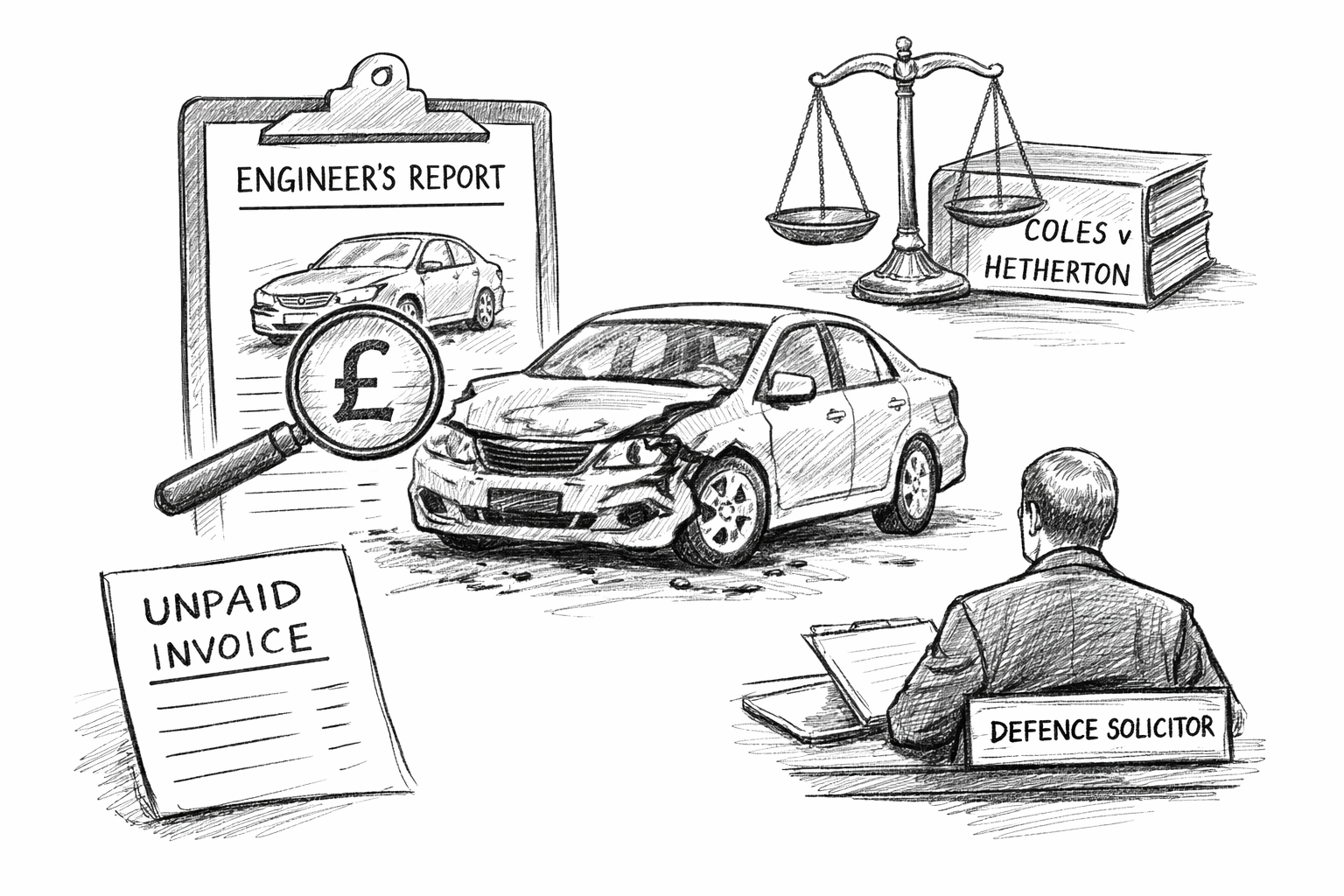
The Court of Appeal explained this clearly in Coles v Hetherton, stating:

the reasonable cost of repair is only a way of ascertaining the diminution in the value of the chattel by reason of the physical damage.

This passage identifies the crucial analytical point.

The repair cost is not the loss itself. Instead, it is simply the usual way in which the courts measure the reduction in value caused by the accident.

The loss arises at the moment the vehicle is physically damaged in the collision.


Repairs Are Not a Precondition to Recovery


The Court of Appeal in Coles v Hetherton also addressed the evidential question directly.

The court confirmed that the reasonable cost of repair may be assessed:

whether or not repairs have been done and whether or not an invoice is produced.

This reflects the underlying logic of the law.

If the Plaintiff’s loss is the diminution in value caused by the accident, it cannot logically depend on whether the plaintiff later chooses to repair the vehicle.

Vehicles are frequently:

  • sold unrepaired

  • written off

  • repaired privately

  • repaired at a later date.

In all of these scenarios, the loss caused by the accident still exists.

Accordingly, courts routinely assess vehicle damage using evidence such as:

  • engineer or assessor reports

  • repair estimates

  • expert evidence on repair methodology

  • valuation evidence.


What the Plaintiff Must Actually Prove


Although repairs are not required, the Planitiff must still prove the amount of the loss.

In practice this usually requires evidence establishing that:

  • the vehicle was repairable

  • the proposed repairs were reasonable and necessary

  • the claimed figure represents the reasonable cost of repair.

An independent engineer or assessor report will often provide precisely that evidence.

What the law requires is proof of the reasonable cost of repair, not proof that the repairs were actually carried out.


What About the Policy Excess?


In subrogated claims, defence solicitors sometimes also request proof that the Policyholder paid their policy excess to the insurer.

This request generally arises because the claim is being pursued by the insurer exercising rights of subrogation.

However, the legal analysis remains unchanged.

Subrogation simply allows the insurer to exercise the insured’s cause of action against the wrongdoer.

The measure of damages remains the same: the loss caused by the accident.

Whether the insured paid their excess is therefore primarily a matter between insurer and insured, rather than a prerequisite to establishing the defendant’s liability for the vehicle damage.


Why These Requests Arise in Practice


Requests for proof of repair are usually not based on the legal measure of damages.

More commonly, they reflect a forensic concern about the reasonableness of the claimed repair cost.

For example, the defence may wish to test:

  • whether the repair estimate reflects real market repair costs

  • whether the repair methodology is appropriate

  • whether the estimate includes unnecessary work.

Those are legitimate issues. But they go to the reasonableness of the repair cost, not to whether repairs were carried out.


The Real Litigation Point


A Plaintiff does not need to prove that repairs were carried out in order to recover damages for vehicle damage.

What must be proved is the reasonable cost of repairing the accident damage, which is simply the conventional way of quantifying the diminution in value of the vehicle.

An engineer’s or assessor’s report may be sufficient evidence of that figure.

Requests for repair invoices or proof that the policy excess was paid do not alter the fundamental legal principle confirmed in Coles v Hetherton.


Why This Matters for Subrogated Motor Claims


Subrogated claims frequently involve disputes over relatively modest property damage.

In that context, defence requests for additional documentation can sometimes risk obscuring the real legal issue.

The court’s task is not to determine whether repairs were carried out, but rather:

What is the reasonable cost of repairing the damage caused by the accident?

Where that question is answered by credible engineering evidence, the absence of a repair invoice does not prevent the court from assessing the claimant’s loss.

For practitioners handling motor damage claims, the lesson from Coles v Hetherton is straightforward: the law compensates the damage to the vehicle, not the repair invoice

Farm Accident Claims in Northern Ireland: Injuries, Risks and Your Legal Rights


Farming Accidents in Northern Ireland


Farming is one of the most important industries in Northern Ireland, supporting rural communities and providing employment to thousands of people.

However, agriculture is also one of the most dangerous occupations in the region.

Every year farmers, agricultural workers, contractors and family members are injured in accidents involving livestock, machinery, falls from height and hazardous gases.

These incidents can cause life-changing injuries, long-term disability and significant financial hardship for farming families.

While some accidents are unavoidable, many occur because basic safety procedures were not followed or proper systems were not in place.

Where negligence is involved, injured individuals may be entitled to pursue a farm accident compensation claim.


Farming Safety Statistics in Northern Ireland


Farming consistently records a disproportionate number of workplace fatalities.

According to data from the Health and Safety Executive for Northern Ireland (HSENI) and the Farm Safety Partnership, agriculture continues to account for a significant proportion of work-related deaths.

Recent surveys show that:

  • 1 in 10 farmers report a minor injury or near miss each year
  • 2% of farmers report accidents requiring medical attention
  • Nearly half of those injured suffer fractures
  • 27% require more than 30 days off work

Northern Ireland has approximately 48,000 people working across almost 25,000 farms, yet agriculture accounts for a large share of serious workplace incidents.

This highlights the importance of improving safety standards across the sector.


The “Stop and Think SAFE” Farm Safety Campaign


To tackle the high number of agricultural accidents, the Farm Safety Partnership launched the fantastic “Stop and Think SAFE” campaign.

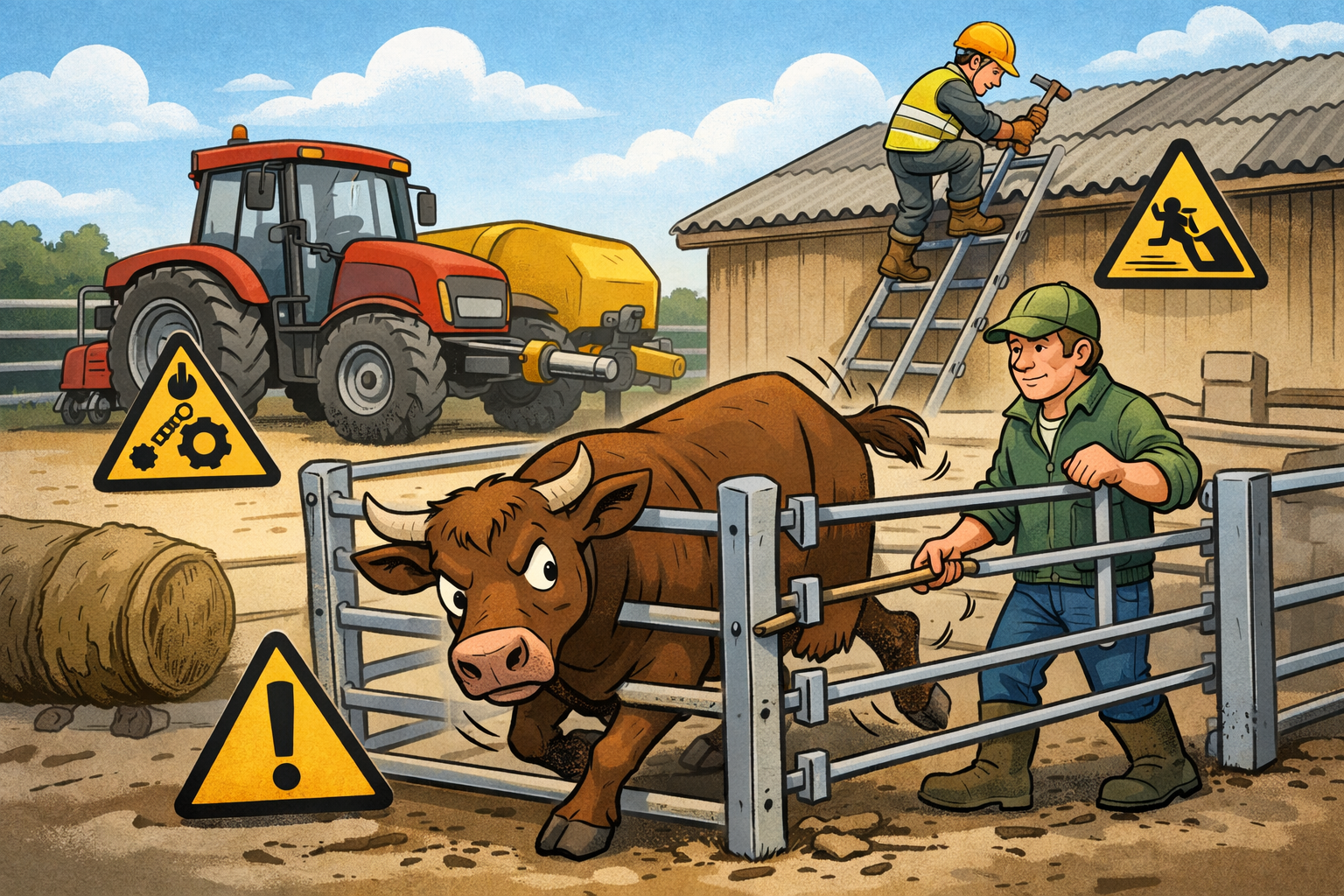
The SAFE message focuses on the four most common causes of serious farm accidents:

  • Slurry
  • Animals
  • Falls
  • Equipment

Understanding these risks is essential to preventing injuries on farms. Lacey Solicitors advises that these four areas provide a sensible starting point for any farmer or agricultural employer when carrying out appropriate health and safety checks and reviewing working practices on the farm.


Slurry Accidents and Toxic Gas Exposure


Slurry tanks are a routine part of modern farming but they also present one of the most serious hazards.

Slurry produces a mixture of gases including:

  • methane
  • carbon dioxide
  • ammonia
  • hydrogen sulphide

Hydrogen sulphide is particularly dangerous because it can be rapidly fatal to both humans and animals.

The highest risk occurs during slurry mixing, when gases are released into the surrounding air.

Safety guidance recommends:

  • removing animals from sheds before mixing
  • opening all doors and ventilation points
  • keeping children away from the area
  • mixing slurry on windy days where possible

Unfortunately, slurry incidents often involve multiple casualties, as people instinctively attempt to rescue others who have collapsed as seen in 2012 in NI when a tragic accident took the lives of three members of the same family.  They were overcome with toxic fumes when trying to rescue one another.


Livestock Accidents on Farms


Working with animals will always involve some level of risk.

However, incidents involving livestock remain the most common cause of farm injuries.

According to farm safety and national reports both in Northern Ireland and the Republic of Ireland, livestock incidents account for approximately one third of reported farm accidents.

High-risk situations include:

  • handling bulls
  • dealing with freshly calved cows
  • moving cattle through poorly designed handling systems
  • working with animals that are unfamiliar with handlers

Even experienced farmers can suffer serious injuries when animals become frightened or agitated.

Good livestock handling facilities and proper planning are essential to reducing these risks.


Falls from Height on Farms


Falls are another leading cause of serious agricultural injuries and we have highlighted the issue in a previous article.

These accidents frequently occur during routine maintenance tasks such as:

  • repairing barn roofs
  • stacking bales
  • cleaning gutters
  • accessing loft spaces

Farm buildings often contain fragile roofing materials which can collapse without warning.

Working at height should always be carefully planned and appropriate equipment should be used.


Machinery and Farm Equipment Accidents


Modern agricultural machinery allows farms to operate efficiently and productively.

However, machinery is also involved in more than one third of fatal farm accidents.

Common causes of machinery accidents include:

  • missing guards on power take-off (PTO) shafts
  • poorly maintained tractors
  • lack of visibility around vehicles
  • attempting to repair machinery while it is still powered

These incidents can result in devastating injuries including:

  • amputations
  • crush injuries
  • spinal injuries
  • severe lacerations

Machinery accidents often require extensive medical treatment and rehabilitation.


Farm Safety and Children


Children living on farms are particularly vulnerable.

Because of their age and lack of experience, they may not fully understand the risks posed by animals, machinery and slurry tanks.

Safety guidance recommends that farms should have segregated play areas where children can play safely away from working machinery.

Sadly, many agricultural tragedies involve young family members who were simply playing near farmyards.


Common Injuries in Farm Accidents


Farm accidents frequently result in serious injuries because of the size of machinery and the unpredictable behaviour of animals.

Common injuries include:

  • broken bones and fractures
  • crush injuries
  • amputations
  • head and brain injuries
  • spinal injuries
  • severe lacerations

These injuries can prevent farmers or agricultural workers from returning to physical work.

For many farming families, the loss of one person’s labour can have a major financial impact on the farm business.


Can I Bring a Farm Accident Claim?


Many people assume that only farm employees can bring a legal claim following an accident.

In reality, a variety of people may be entitled to pursue compensation.

This may include:

  • farm employees
  • self-employed agricultural workers
  • contractors
  • visiting vets or professionals
  • delivery drivers
  • family members living on the farm

Each case will depend on the circumstances of the accident and who was responsible for maintaining safe conditions on the farm.


What Should You Do After a Farm Accident?


If you are injured in a farming accident, taking the right steps early can be important.

You should:

• seek medical attention immediately
• report the accident to the farm owner or employer
• record the details of the incident
• take photographs of the location or equipment involved
• obtain contact details for witnesses

Farm accident claims often involve complex investigations including machinery inspections, expert reports and witness evidence.

Early legal advice can help ensure that important evidence is preserved.


Farm Accident Compensation in Northern Ireland


If negligence can be established, an injured person may be entitled to claim compensation.

Compensation may include damages for:

  • pain and suffering
  • loss of earnings
  • medical treatment
  • rehabilitation costs
  • care needs
  • future financial losses

Serious injuries may have long-term consequences, particularly where they affect a person’s ability to work in agriculture.


Frequently Asked Questions About Farm Accident Claims


How long do I have to bring a farm accident claim?

In most cases, personal injury claims in Northern Ireland must be brought within three years of the accident.

Exceptions may apply where the injured person is a child or lacks capacity.


Can I claim if I was injured by livestock?

Yes.

Claims may arise where livestock injuries occur because of:

  • unsafe handling facilities
  • inadequate fencing or gates
  • failure to properly control animals
  • unsafe working practices

Can I claim if I am self-employed?

Yes.

Self-employed agricultural workers may still be entitled to compensation if the accident occurred because of unsafe working conditions on the farm.


What if the accident happened on a family farm?

Many people worry about bringing a claim against a family member.

In practice, claims are usually dealt with by farm insurance policies, meaning insurers handle the claim.


Farm Accident Solicitors in Northern Ireland


Investigating farm accidents often requires specialist knowledge of:

  • agricultural machinery
  • livestock handling practices
  • workplace safety regulations
  • HSENI guidance

Because these cases can involve complex circumstances, it is important to seek advice from solicitors experienced in serious personal injury claims.


Conclusion


Farming will always involve risk, but many serious accidents are preventable.

Campaigns such as Stop and Think SAFE and online learning tools such as www.farmsafenet.org highlight the importance of safety when working with slurry, animals, heights and machinery.

When accidents do occur, they can have devastating consequences for farming families and rural communities.

Understanding the risks and the legal rights of those injured is an important step in improving safety across Northern Ireland’s agricultural sector.


£25,000 Awarded after initial offer of £9000.00 Following Road Traffic Accident

How Lacey Solicitors Advanced a Personal Injury Claim to Court


When individuals are injured in road traffic accidents, insurers must carefully assess claims, review medical evidence and determine an appropriate valuation. It is entirely understandable that insurers will sometimes test claims or seek further information before making settlement proposals.

However, where liability has been admitted and the medical evidence is clear, it is important that the valuation of the claim properly reflects the injuries sustained.

This case study demonstrates how careful preparation and a willingness to proceed to court ultimately resulted in a judicial award of £25,000 in damages, together with legal costs.


How Much Compensation Can You Receive for a Road Traffic Accident in Northern Ireland?


Compensation for road traffic accidents in Northern Ireland depends on the nature and severity of the injuries sustained as we explained in our previous articles.

Courts assess damages using the Green Book Guidelines for the Assessment of General Damages, which provide recommended valuation ranges for different types of injuries.

For example:

  • Minor neck injuries with a quick recovery may attract awards of around £7000.00.

  • More serious injuries may result in substantially higher awards depending on long-term impact

In addition to compensation for the injury itself, plaintiffs may also recover damages for:

  • loss of earnings

  • medical treatment costs

  • travel expenses

  • other accident-related losses

Each claim will depend on its own medical evidence and circumstances.


A Rear End Car Accident in Belfast


Our client was involved in a road traffic collision where she was travelling as a front seat passenger wearing a seatbelt when the vehicle she was travelling in was stationary at a roundabout. The vehicle was then struck from behind in a rear-end collision.

The force of the impact jolted her forwards inside the vehicle.

Immediately after the collision:

  • She experienced a nosebleed and headaches

  • Neck and upper back pain developed in the hours following the accident

She attended Mater Hospital in Belfast, where she was placed in a cervical collar and underwent imaging of her neck.


Injuries Sustained


Medical evidence confirmed that the accident caused several injuries, including:

  • Whiplash type injury to the neck and back

  • Nose Bleed
  • Tinnitus

Following the accident, the client described developing a ringing in her ears, which she likened to a “clock ticking” sound.

In addition to the physical injuries, she reported feeling more cautious and hypervigilant when travelling in vehicles following the collision.


Medical Evidence in a Road Traffic Collision


The claim was supported by expert medical reports from a Consultant A&E Doctor in Belfast as well as an ENT Surgeon in Antrim.

The medical evidence also confirmed general whiplash and some mild tinnitus, a condition recognised in the Northern Ireland Green Book Guidelines for the Assessment of General Damages as attracting awards up to approximately £20,000, depending on severity.


Early Settlement Discussions


The defendant’s insurer initially made settlement proposals of:

  • £9000.

  • 10,000

  • £12,500

Following review of the medical evidence and relevant valuation guidelines, Lacey Solicitors advised that these offers did not fully reflect the likely value of the claim.

A counter-proposal was therefore advanced by our office.

Rather than continue to engage however, the insurance company indicated that they would make no further offer and that all previous offers were revoked.


Strategic Considerations During Negotiations


In this case, liability for the accident had already been admitted, and the claim arising from the driver of the vehicle had already been resolved.

In those circumstances, and in light of the medical evidence available, Lacey Solicitors considered that the claim was capable of being properly valued and repeatedly invited the insurer to engage in further settlement discussions.

Unfortunately, neither the insurer, nor their chosen solicitors in Belfast were prepared to make any offer and allowed the matter to proceed to court.

Lacey therefore expedited the matter to a formal court hearing to allow the jugde to determine the value of the claim.


Court Award of £25,000.00 after Road Traffic Accident

After considering the evidence, the court awarded £25,000 in damages, together with legal costs.

This represented a substantially higher figure than the earlier settlement offers made during negotiations by the insurer.

It also meant that our client ultimately received a sum significantly greater than the £9,000 offer she had initially considered accepting.


Injury Solicitor Belfast – Road Traffic Accident Claims


If you have been injured in a road traffic accident in Belfast or anywhere in Northern Ireland, it is important to seek advice from an experienced injury solicitor in Belfast as early as possible.

Road traffic accident claims often involve complex issues including medical evidence, liability investigations and negotiations with insurers. An experienced solicitor can ensure that your claim is properly prepared, supported by the appropriate expert evidence and valued in accordance with the Northern Ireland Green Book Guidelines for the Assessment of Damages.

At Lacey Solicitors, our team regularly advises clients throughout Belfast and Northern Ireland on personal injury claims arising from:

  • road traffic accidents

  • accidents at work

  • public liability incidents

  • serious injury claims

Where settlement cannot be agreed, we are fully prepared to advance cases through the courts to ensure our clients receive the compensation to which they are entitled.


Speak to an Injury Solicitor in Belfast


If you have been injured in a road traffic accident or another type of accident, it is important to seek advice from an experienced injury solicitor in Northern Ireland.

At Lacey Solicitors, we regularly act in personal injury claims across Northern Ireland and understand the importance of presenting cases clearly, fairly and with the appropriate supporting evidence.

General Damages for Allergic Reactions to Contaminated Food in Northern Ireland: A Gap in the Green Book


When contaminated or mislabelled food triggers an allergic reaction in Northern Ireland, courts must assess general damages despite the absence of a specific category within the Guidelines for the Assessment of General Damages in Personal Injury Cases in Northern Ireland (the “Green Book”).

Practitioners therefore often rely on analogous brackets such as food poisoning, neurological injury, or epileptic conditions when valuing these claims. This lack of direct guidance can create uncertainty in both settlement negotiations and litigation, particularly where the reaction involves anaphylaxis, seizures, or emergency hospital treatment.

As food allergy claims become increasingly common, this gap in the damages framework is becoming more apparent.


The Role of the Green Book in Assessing General Damages


In Northern Ireland, courts assess general damages for personal injury claims by reference to the Green Book damages guidelines.

The purpose of the Guidelines is to promote consistency, predictability and proportionality in the assessment of damages across personal injury litigation.

The Green Book provides damages brackets covering a wide range of injuries including:

  • orthopaedic injuries
  • psychiatric injury
  • neurological damage
  • illness caused by toxins or contaminated substances

For practitioners dealing with food contamination claims, the most relevant section is typically the category addressing illness caused by food poisoning.

However, the structure of that section reflects gastrointestinal illness, rather than allergic reactions caused by allergen exposure.


Damages Guidance for Food Poisoning Claims


The Green Book contains brackets for illness caused by food poisoning, typically involving symptoms such as:

  • vomiting
  • diarrhoea
  • abdominal pain
  • fever
  • temporary gastrointestinal illness

These cases generally involve short-term illness caused by contaminated food, with recovery occurring within a limited period.

Higher awards may arise where:

  • symptoms persist for longer periods
  • hospital treatment is required
  • complications develop

However, these brackets are primarily designed to address gastrointestinal illness, not anaphylactic reactions triggered by allergen contamination.


Allergic Reactions to Contaminated Food


A growing number of personal injury claims involve allergic reactions triggered by contaminated or mislabelled food and we previously wrote about the experience of our client Ciara.

These claims frequently arise where:

  • restaurants fail to disclose allergens
  • cross-contamination occurs during food preparation
  • packaged food products are incorrectly labelled
  • food safety procedures are inadequate

For individuals with severe allergies, exposure to allergens such as nuts, shellfish, dairy or sesame can trigger an immediate and potentially life-threatening reaction.

Symptoms may include:

  • anaphylaxis
  • respiratory distress
  • collapse or loss of consciousness
  • seizures
  • emergency treatment with adrenaline

Although these episodes may sometimes be short-lived, they can involve significant medical intervention and considerable distress for the individual.


When Allergic Reactions Cause Seizures


A particularly complex issue arises where an allergic reaction to contaminated food results in seizure activity.

Seizures may occur due to:

  • severe anaphylactic reactions
  • oxygen deprivation caused by respiratory distress
  • extreme physiological stress during the reaction

In many cases the seizure is an isolated event, and the claimant does not develop epilepsy.

Nevertheless, the episode may involve:

  • ambulance attendance
  • emergency treatment
  • hospital admission
  • temporary neurological symptoms

Despite the seriousness of such events, the Northern Ireland Green Book damages guidelines contain no specific bracket addressing seizures caused by allergic reactions.


How Are General Damages Assessed for Allergic Reactions to Contaminated Food in Northern Ireland?


Where contaminated food causes an allergic reaction, courts must assess general damages by examining the nature and severity of the medical episode.

Because the Green Book does not contain a specific bracket for allergic reactions or anaphylaxis, practitioners and courts often rely on analogous injury categories when valuing these claims.

Possible comparators include:

Food Poisoning

The food poisoning brackets may provide a starting point, particularly where the symptoms are short-lived.

However, these brackets may undervalue cases involving anaphylaxis or seizure activity, as they are primarily designed to address gastrointestinal illness.

Epileptic Conditions

Where a seizure occurs, practitioners may look to the brackets relating to epileptic conditions.

This comparison is often imperfect where:

  • the claimant does not suffer from epilepsy
  • the seizure is an isolated episode
  • the seizure was triggered solely by the allergic reaction.

Neurological Injury

In some cases, the injury may also be compared with minor neurological injury.

Again, this approach requires courts to rely heavily on analogy rather than direct guidance.


Why This Gap in the Green Book Matters


The absence of specific guidance for allergic reaction claims caused by contaminated food creates several practical difficulties.

Inconsistent Settlement Values

Without a clear damages bracket, similar claims may be valued very differently.

Uncertainty for Practitioners

Solicitors advising clients may find it difficult to predict likely damages with confidence which normally means more cases proceeding to court.

Increasing Relevance

Food allergy claims have become more common due to:

  • increased awareness of food allergies
  • stricter allergen labelling requirements
  • greater public awareness of allergen risks

As these claims become more frequent, the absence of clear damages guidance becomes increasingly significant.


Factors Likely to Influence General Damages


In the absence of specific guidelines, courts assessing general damages for allergic reactions to contaminated food may consider:

  • the severity of the allergic reaction
  • whether anaphylaxis occurred
  • the presence of seizures or neurological symptoms
  • the duration of symptoms
  • whether hospital admission was required
  • the extent of emergency medical treatment
  • the psychological impact of the incident

These factors may ultimately determine whether the injury is best viewed as:

  • serious illness
  • neurological injury
  • or a severe but temporary medical episode.

Conclusion on Claims for Allergic Reactions


The Northern Ireland Green Book damages guidelines provide valuable guidance across many areas of personal injury litigation. However, they contain no clear category addressing severe allergic reactions caused by contaminated food, particularly where such reactions lead to seizures or other neurological symptoms.

As allergen contamination claims become more common, this gap in the Guidelines may create increasing uncertainty in the assessment of general damages in Northern Ireland personal injury claims.

Future revisions of the Green Book may therefore benefit from including specific guidance addressing anaphylactic reactions and allergen contamination injuries, providing greater clarity for practitioners, insurers and courts.

High Court Dismisses Workplace Trip Claim: Not Every Accident Creates Liability

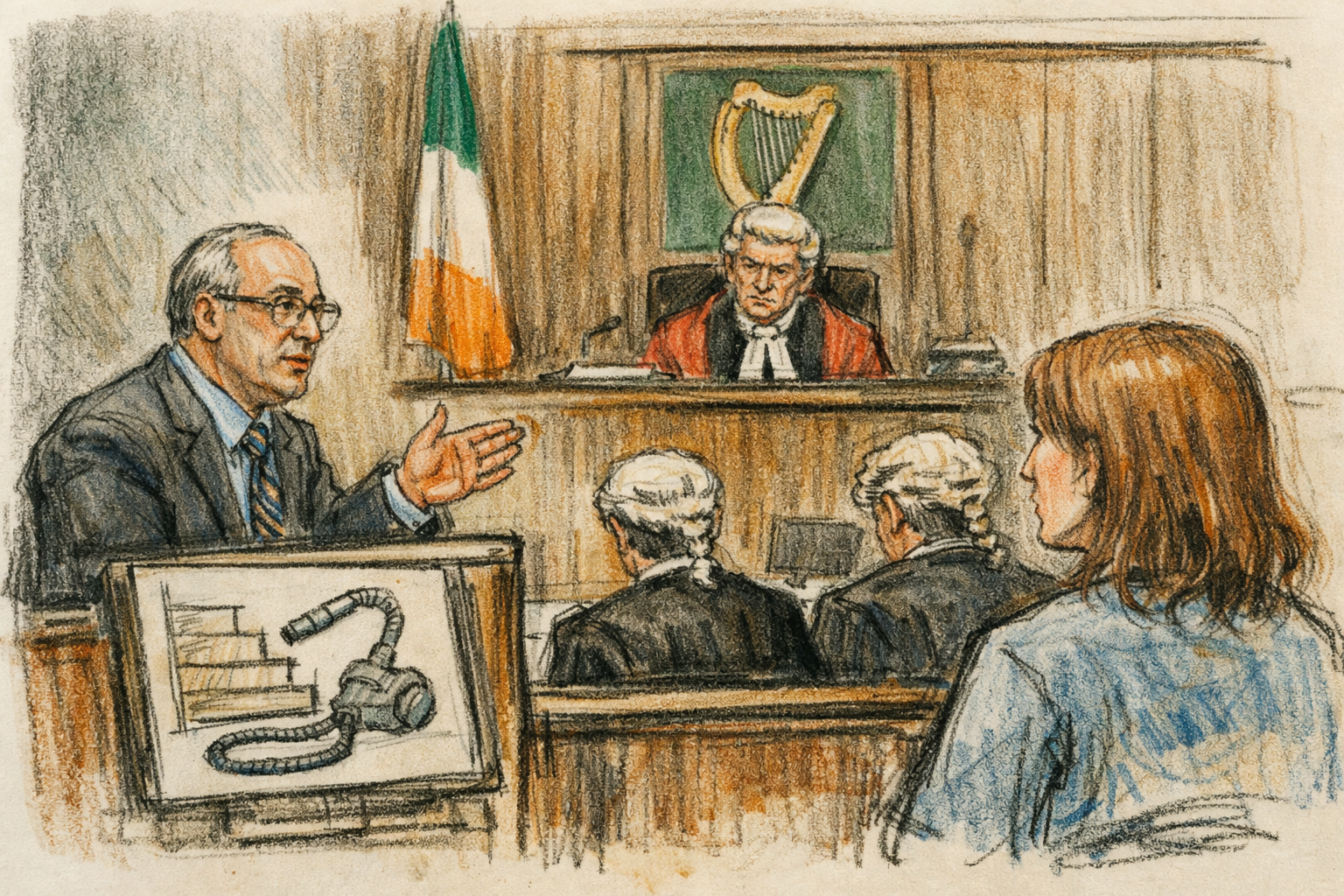
A recent High Court decision will be of considerable interest to insurers and injury practitioners dealing with employer liability claims in Ireland. In Sharon Walsh v Juniper Orthodontics Limited, the High Court dismissed a personal injuries action brought by a dental assistant who alleged she was injured after tripping on the hose of a vacuum cleaner while cleaning stairs at her workplace.

Delivering judgment, Mr Justice Anthony Barr emphasised an important principle that frequently arises in workplace accident litigation: the law requires employers to act reasonably, not perfectly. As the Court made clear, employers are not required to eliminate every conceivable risk that might arise during ordinary workplace activities.

The decision provides useful guidance for insurers defending employer liability claims and illustrates how courts continue to distinguish between an unfortunate accident and actionable negligence.


Background to the Claim


The plaintiff, aged 54, had worked as a dental assistant in a small orthodontic practice since 2007.

The accident occurred on 20 June 2016 at approximately 3pm while the plaintiff was vacuum cleaning a flight of stairs during a gap in the clinic’s patient schedule. As was common practice during quieter periods, staff members would carry out light cleaning duties when no patients were being treated.

According to the plaintiff, she switched off the vacuum cleaner and left it at the bottom of the stairs with the rigid arm resting against the banister. She then went upstairs to check whether the receptionist was on the telephone, as the noise of the vacuum cleaner could interfere with phone conversations.

While she was waiting upstairs, she alleged that the rigid arm of the vacuum cleaner fell over, causing the flexible hose to lie across one of the steps. When she returned and descended the stairs, she stepped onto the hose, lost her balance and sustained an inversion injury to her right ankle.

Medical investigations later revealed that the plaintiff had suffered an avulsion fracture of the distal fibula together with ligament damage to the ankle.


Delay in Notification


One feature of the case which will be familiar to insurers was the significant delay in notification of the claim.

Although the alleged accident occurred in June 2016, the employer gave evidence that he did not receive notification of the circumstances of the incident until a solicitor’s letter issued almost two years later in April 2018. By that stage, the clinic’s internal CCTV system had already overwritten any recordings from the relevant period.

This accident occured in 2016, almost two years prior to the amendment of section 8 of the Civil Liability and Courts Act 2004, which now requires a plaintiff in a personal injuries action to serve a letter of claim within one month of the cause of action.

The provision obliges the court to consider drawing appropriate inferences and, where the interests of justice so require, making costs consequences where this requirement is not complied with. For defendants and insurers, the legislative framework underscores the importance of prompt notification so that incidents can be investigated while contemporaneous evidence remains available.


Alleged Unsafe System of Work


The plaintiff alleged that the employer had failed to provide a safe system of work.

Engineering evidence was called on her behalf suggesting that the cleaning process was unsafe because the person vacuuming the stairs had to stop the hoover periodically and check whether the receptionist was on the telephone.

The plaintiff’s expert suggested a number of alternative safety measures, including:

  • Carrying out cleaning outside working hours
  • Installing a warning light system connected to the reception desk
  • Soundproofing the reception area

However, the court ultimately rejected the suggestion that these measures were necessary or required under the law.


The Court’s Findings


The High Court concluded that the incident was simply an unfortunate accident rather than the result of negligence.

Mr Justice Barr stated:

“That was a very unfortunate accident. But that is all it was. It was an accident.”

The court observed that interruptions while vacuum cleaning stairs are entirely ordinary. People frequently stop such tasks to answer a phone, attend to someone upstairs or deal with another task.

The judge stated:

“Every day up and down the country, when people are carrying out vacuum cleaning operations on a flight of stairs… the person doing the vacuum cleaning may have to stop for any number of reasons.”

Importantly, the court accepted that the vacuum cleaner arm falling over was simply something that can occur without negligence on anyone’s part.

As Mr Justice Barr explained:

“From time to time when the rigid arm of a hoover is left propped in an upright position, it will sometimes topple over and come to rest on the ground. That is not anybody’s fault, it just happens from time to time.”


Reasonableness – Not Risk Elimination


As always, hindsight is 20/20, but in this case, the court was quick to reject evidence advanced by the Plaintiff’s engineer of steps that should have been taken to eliminate risk.

Addressing the suggestions made by the plaintiff’s expert engineer, the court stated:

“It is always possible to come up with steps that can be taken to eradicate any possible accident. However, that is not the duty that is placed on an employer… An employer is only required to take reasonable steps to prevent an accident that is reasonably foreseeable.”

This statement provides a clear reminder that the legal standard is reasonableness, not the elimination of every conceivable hazard.


Conclusion


For insurers and defence practitioners, the decision reinforces several familiar but important principles:

Not every workplace accident creates liability
The courts recognise that accidents can occur even where a workplace is reasonably operated.

Reasonable systems of work remain the legal standard
Employers are required to take reasonable precautions, not eliminate all possible risks.

Expert hindsight will not necessarily establish negligence
Courts remain cautious about retrospective suggestions that theoretically safer systems could have been implemented.

Early notification of incidents remains critical
Delays in notification may result in the loss of important evidence, including CCTV or witness recollection.

The High Court’s decision in Sharon Walsh v Juniper Orthodontics Limited serves as a useful reminder that not every workplace accident will give rise to legal liability.

Where an employer has implemented a reasonable system of work and the incident arises from an ordinary everyday activity, the courts will not impose liability simply because an injury occurred.

The phrase “where there is blame, there is a claim” is an oft repeated mantra in personal injury litigation. This judgment however is a reminder that while accidents may happen, liability does not follow the same – negligence must still be proven to sustain the claim.

Accidents at Work in Northern Ireland: Falls from Height and Employer Liability


Falls from height remain one of the most serious causes of workplace injury in Northern Ireland. Employees working in construction, agriculture, manufacturing, maintenance and industrial environments are frequently required to work at height using ladders, scaffolding, roofs or elevated platforms.

Where appropriate safety systems are not properly implemented, the consequences can be severe and sometimes life-changing.

Under Northern Ireland law, employers have important duties to protect workers who carry out tasks at height. Where those duties are breached and a worker suffers injury, the circumstances may give rise to a workplace accident claim.

This article explains:

  • The legal framework governing working at height in Northern Ireland
  • The most common causes of fall-from-height accidents
  • The types of injuries that can arise
  • When an employer may be legally liable

What Is a Working at Height Accident?


A working at height accident occurs when a worker falls from a ladder, scaffolding, roof, platform or other elevated surface while carrying out their job. These accidents are one of the leading causes of serious workplace injuries in Northern Ireland and often arise where appropriate safety equipment, supervision or risk assessments were not in place.


Workplace Accident Statistics in Northern Ireland


Workplace accident statistics highlight the seriousness of working at height risks.

Figures published by the Health and Safety Executive for Northern Ireland (HSENI) indicate that:

  • There were 19 workplace fatalities in Northern Ireland in 2021–2022
  • The number fell to 10 fatalities in 2022–2023
  • The majority of deaths occur in agriculture, construction and manufacturing

Falls from height remain one of the leading causes of fatal workplace accidents across these industries.

In the construction sector in particular, regulators consistently warn that working at height continues to present a high level of risk if appropriate safety precautions are not taken.

These figures demonstrate why employers must take working at height safety extremely seriously.


The Legal Framework for Working at Height in Northern Ireland


Employers in Northern Ireland owe a statutory duty to ensure the health and safety of their employees.

The primary legislation governing workplace safety is the:

Health and Safety at Work (Northern Ireland) Order 1978

This legislation requires employers to ensure, so far as reasonably practicable, the health, safety and welfare of employees while at work.

More specific duties relating to working at height are contained in the:

Work at Height Regulations (Northern Ireland) 2005

Under these regulations, employers must ensure that work at height is:

  • Properly planned and organised
  • Appropriately supervised
  • Carried out by competent workers
  • Supported by suitable and properly maintained equipment
  • Subject to a suitable and sufficient risk assessment

Employers are also required to follow a recognised hierarchy of safety measures, including:

  1. Avoiding work at height where possible
  2. Preventing falls through collective protection (such as guardrails or scaffolding)
  3. Minimising consequences using fall-arrest systems or personal protective equipment

What Counts as Working at Height?


Many people assume that working at height only refers to high-rise construction work. In reality, the legal definition is much broader.

A person is considered to be working at height if they are working in any place where a fall could cause personal injury.

Examples include:

  • Working on scaffolding
  • Using ladders or step ladders
  • Carrying out roof repairs
  • Working on mezzanine floors or raised platforms
  • Using cherry pickers or scissor lifts
  • Working near unprotected edges

Importantly, even relatively low falls can cause serious injuries.


Common Causes of Falls from Height at Work


Many workplace accidents involving falls from height occur because basic safety procedures have not been followed.

Common causes include:

  • Unsafe or defective ladders
  • Poorly erected scaffolding
  • Lack of guardrails or edge protection
  • Failure to provide safety harnesses or fall-arrest systems
  • Inadequate training or supervision
  • Failure to carry out appropriate risk assessments
  • Slippery or unstable working surfaces

In many accident investigations it becomes clear that the accident could have been prevented if appropriate safety systems had been implemented.


Serious Injuries Caused by Falls from Height


Falls from height frequently result in serious injuries due to the forces involved in the fall.

Common injuries include:

  • Traumatic brain injuries
  • Spinal cord injuries
  • Pelvic fractures
  • Complex limb fractures
  • Internal organ damage

These injuries often require long-term treatment, rehabilitation and ongoing medical support.  Our office recent deal with a case involving a construction worker who fell from a scaffolding and suffered complex injuries.

In more serious cases, a worker may be unable to return to their previous employment.


When Is an Employer Liable for a Workplace Accident?


Employers may be legally liable for a workplace accident if they have failed to take reasonable steps to protect employees from foreseeable risks.

Examples may include:

  • Failure to provide safe access equipment
  • Failure to install guardrails or edge protection
  • Poor maintenance of scaffolding or ladders
  • Failure to carry out appropriate risk assessments
  • Lack of training or supervision

Where an employer breaches health and safety duties and an injury results, this may form the basis of a claim for workplace injury compensation.


Bringing a Fall from Height Compensation Claim


If you have been injured in a workplace accident in Northern Ireland, you may be entitled to pursue a compensation claim.

Compensation may include damages for:

  • Pain and suffering
  • Loss of earnings
  • Future loss of income
  • Medical treatment
  • Rehabilitation costs
  • Care and assistance needs

Serious accident at work claims often require detailed medical evidence together with expert analysis of future financial losses.

For this reason, it is important to obtain advice from solicitors experienced in workplace injury litigation.


Frequently Asked Questions


How long do I have to bring an accident at work claim in Northern Ireland?

In most cases, a person has three years from the date of the accident to issue court proceedings for personal injury.

Can I claim compensation if I fell from a ladder at work?

Possibly. If the accident occurred because of unsafe equipment, lack of training, or inadequate safety procedures, there may be grounds for a claim.

What if I was partly responsible for the accident?

Even where a worker may have contributed to the accident, compensation may still be recoverable, although the award may be reduced to reflect contributory negligence.


Conclusion


Working at height remains one of the most dangerous activities carried out in workplaces across Northern Ireland.

Despite clear legal duties designed to protect workers, falls from height continue to cause serious injuries and fatalities each year.

Where safety procedures are ignored or inadequate, the consequences can be devastating for workers and their families.

Anyone injured in a workplace accident should consider obtaining legal advice in order to understand their rights and whether compensation may be available.


Psychological Trauma After a Belfast Car Accident: What People Commonly Experience

Psychological trauma is one of the most overlooked effects of road traffic accidents in Belfast.

Many people focus first on physical injuries such as whiplash, back pain or bruising, but emotional and psychological reactions can be just as significant. It is common for individuals to feel unsettled, anxious or overwhelmed in the days and weeks following an accident. Even incidents that seem minor at the time can leave a lasting emotional impact. People often describe how their mind continues to replay the event or how they find themselves feeling tense when driving through certain parts of Belfast where the accident occurred. These experiences are far more common than many realise and should never be dismissed.

Psychological trauma does not always appear immediately. Many individuals in Northern Ireland explain that they felt fine at the scene and only realised later that their confidence had been affected. Others notice changes in their sleep patterns or feel more nervous when travelling as a passenger. Some experience moments of irritability, difficulty concentrating or a sense of being on edge.

These reactions are a normal response to a sudden and unexpected event. Road traffic accidents interrupt a person’s sense of safety and control, and the mind often continues to process the experience long after the physical injuries have begun to settle.


Common Emotional Reactions After a Car Accident


People who reach out to speak with a solicitor frequently mention similar emotional symptoms. Many describe feeling nervous when returning to the road for the first time. Others struggle with intrusive thoughts about how the accident happened or what could have occurred. Some individuals report feeling jumpy when hearing loud noises or sudden braking sounds. These reactions often relate to the shock of the incident and the body’s attempt to protect itself from further harm.

It is also common for people to feel frustrated or embarrassed about their emotional response. They may believe they should be coping better or worry that others will not understand how they feel. In reality, psychological trauma after a road traffic accident is one of the most natural and widespread reactions and it affects people of all ages and backgrounds across Northern Ireland.


How Trauma Can Affect Daily Life


Psychological trauma can influence a person’s daily routine in many ways. Some individuals find it difficult to return to driving, especially if their accident occurred during heavy Belfast traffic or on a familiar route. Others begin avoiding certain roads or junctions associated with the incident. People may feel anxious when approaching roundabouts, merging lanes or busy motorway slip roads because these situations remind them of the accident.

Sleep disturbances are also very common. Individuals often report vivid dreams or restless nights where their mind replays the moment of impact. Lack of sleep can then contribute to irritability, fatigue and difficulty concentrating during the day. These challenges can make work, family life and ordinary tasks feel more overwhelming than usual. Many people feel frustrated that their emotions seem out of their control even though their physical injuries may be improving.


Why Psychological Trauma Happens After an RTA

A road traffic accident is a sudden and unexpected event that forces the mind and body into a heightened state of alert. The shock response is immediate and protective. Once the initial adrenaline wears off, the brain continues to process what happened. This can lead to heightened awareness, tension or ongoing fear. These emotional responses are not a sign of weakness. They are a natural part of the body’s recovery after a frightening experience.

People in Belfast and across Northern Ireland often describe feeling confused about why they are struggling emotionally when the physical injuries were relatively minor. It is important to understand that psychological trauma does not depend on the severity of the impact. Even low speed collisions can create sudden fear or panic, especially if a person felt trapped or powerless in the moment.


Roads and Conditions in Belfast That Contribute to Stress

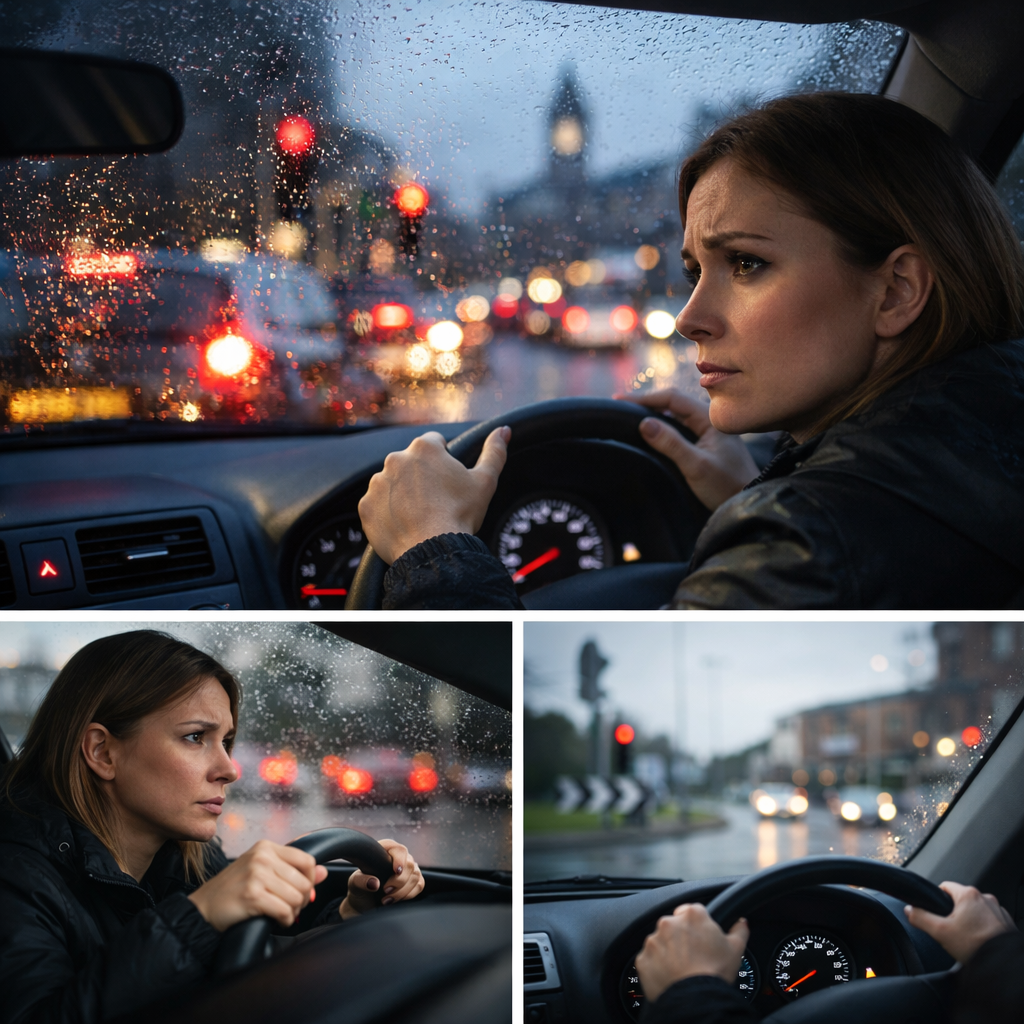
Belfast roads can be busy and unpredictable. Congested areas such as the Westlink, Ormeau Road and the motorway network create environments where sudden braking and merging are common. These conditions can heighten anxiety after an accident, especially when drivers must return to similar traffic situations soon after the incident. Rural roads across Northern Ireland also contribute to stress because they often involve narrow bends, limited visibility and higher driving speeds. Individuals who experience trauma on rural roads may feel nervous approaching similar conditions again.

Weather conditions in Northern Ireland also play a role. Rain, frost and poor visibility increase the unpredictability of the road, and many people describe how certain weather triggers reminders of their accident. These emotional reactions are normal and shared by many others who have been involved in similar situations.


When People Choose to Speak with a Solicitor

People often choose to speak with a solicitor after experiencing psychological trauma following a road traffic accident because they want clarity and reassurance. These conversations are not about receiving legal advice. Instead, individuals want to understand what steps others usually take, what kind of evidence may be helpful and how emotional injuries are commonly addressed in personal injury claims. Many people feel more confident once they have spoken with someone who understands the common patterns of trauma after an accident and can explain how these experiences fit within the broader claims process.

At Lacey Solicitors we speak every day with individuals who are coping with emotional strain after accidents in Belfast and across Northern Ireland. Our team approaches every conversation with sensitivity and understanding, recognising that psychological trauma can be just as difficult to manage as a physical injury. You can find more information about our services on our Road Traffic Accident page.


Moving Forward After Psychological Trauma

Recovery from trauma is rarely straightforward. Some people begin to feel better within a few weeks, while others find that progress takes longer. It is normal for symptoms to fluctuate. Individuals may feel confident one day and anxious the next, especially if they encounter triggers that remind them of the accident. With time, support and patience, most people begin to regain their sense of confidence on the road and in everyday life.

Our team provides calm and compassionate guidance for individuals across Northern Ireland who are dealing with emotional and psychological effects after a road traffic accident. You can contact us through https://laceysolicitors.com/contact-us/ if you wish to discuss your situation with someone who understands the process.


Trainee Solicitor Cara O’Sullivan Returns From Institute of Professional Legal Studies

Welcome Back to the Office, Cara O’Sullivan – Our Trainee Solicitor (NI & ROI)


We’re delighted to welcome Cara O’Sullivan, our Trainee Solicitor, back to the office after completing her time at the Institute.

Cara graduated from Queen’s University Belfast in 2023, began her training contract with the firm in September 2024, and attended the Institute from January 2025 to December 2025 as part of her professional training. While she enjoyed the experience and everything it offered, Cara is very happy to return to the office – back into the pace of practice, supporting clients, and progressing cases across both jurisdictions.


Cara’s Institute Year: Building Strong Foundations Across Key Practice Areas


During her time at the Institute, Cara completed modules covering core subjects that directly support the work she is now doing day-to-day in practice. These included:

  • Property
  • Criminal
  • Family
  • Private Client
  • Advocacy
  • Business
  • Tort

These modules strengthened Cara’s legal knowledge across a wide range of areas – combining black-letter law with practical application, drafting, analysis, and professional skills. That breadth is especially valuable for a trainee developing into a solicitor with the ability to handle varied instructions and contribute meaningfully across a busy practice.

Cara also acted as Class Representative and assisted in organising events and fundraisers including the recent IPLS Winter Gala which raised over £2,000 for Action Mental Health and NI Hospice.


All-Ireland Mediation Competition: Learning and Connecting Across the Island


One of the highlights of Cara’s Institute year was taking part in the All-Ireland Mediation Competition. The competition brought together teams from across the island, with participants competing against – and learning alongside- teams from all over Ireland.

Mediation is a skill that sits at the heart of modern dispute resolution: it demands clear thinking under pressure, strong communication, practical negotiation, and the ability to identify outcomes that serve clients’ interests. Competing in an all-island setting gave Cara the opportunity to sharpen those skills in a realistic, fast-moving environment – while also building professional connections across the island.

That all-Ireland element is particularly fitting, as Cara’s developing area of practice will be cross-jurisdictional work across Northern Ireland and the Republic of Ireland. The competition wasn’t just an academic experience; it mirrored the collaborative, relationship-driven nature of practice across Ireland – strengthening connections and learning that will support Cara’s career as her work continues to develop on an all-island basis.


Back in Practice: Training Under Head Partner Terry Lacey


Cara continues her training under her master, Terry Lacey, Head Partner of the firm. Since returning, she has been involved in a broad mix of Northern Ireland (NI) and Republic of Ireland (ROI) matters, gaining experience on both plaintiff and defence cases – an excellent foundation for building rounded judgment and practical case strategy.

As part of her trainee role, Cara is regularly involved in:

  • Attending court across the island of Ireland
  • Drafting proceedings and preparing legal documentation
  • Attending client consultations and supporting case planning
  • Assisting with file progression and litigation preparation across NI and ROI cases

Looking Ahead: Qualification in September 2026


Cara is now focused on the next milestone in her career. She is due to qualify in September 2026, when she will be added to the Roll of Solicitors for Northern Ireland.

We’re proud of how Cara has progressed so far- from Queen’s Law graduate, to starting her training contract in 2024, to completing a busy and successful Institute year. We’re delighted to have her back in the office and look forward to supporting her as she continues to build her all-Ireland practice.