
£25,000 Awarded after initial offer of £9000.00 Following Road Traffic Accident

How Lacey Solicitors Advanced a Personal Injury Claim to Court


When individuals are injured in road traffic accidents, insurers must carefully assess claims, review medical evidence and determine an appropriate valuation. It is entirely understandable that insurers will sometimes test claims or seek further information before making settlement proposals.

However, where liability has been admitted and the medical evidence is clear, it is important that the valuation of the claim properly reflects the injuries sustained.

This case study demonstrates how careful preparation and a willingness to proceed to court ultimately resulted in a judicial award of £25,000 in damages, together with legal costs.


How Much Compensation Can You Receive for a Road Traffic Accident in Northern Ireland?


Compensation for road traffic accidents in Northern Ireland depends on the nature and severity of the injuries sustained as we explained in our previous articles.

Courts assess damages using the Green Book Guidelines for the Assessment of General Damages, which provide recommended valuation ranges for different types of injuries.

For example:

  • Minor neck injuries with a quick recovery may attract awards of around £7000.00.

  • More serious injuries may result in substantially higher awards depending on long-term impact

In addition to compensation for the injury itself, plaintiffs may also recover damages for:

  • loss of earnings

  • medical treatment costs

  • travel expenses

  • other accident-related losses

Each claim will depend on its own medical evidence and circumstances.


A Rear End Car Accident in Belfast


Our client was involved in a road traffic collision where she was travelling as a front seat passenger wearing a seatbelt when the vehicle she was travelling in was stationary at a roundabout. The vehicle was then struck from behind in a rear-end collision.

The force of the impact jolted her forwards inside the vehicle.

Immediately after the collision:

  • She experienced a nosebleed and headaches

  • Neck and upper back pain developed in the hours following the accident

She attended Mater Hospital in Belfast, where she was placed in a cervical collar and underwent imaging of her neck.


Injuries Sustained


Medical evidence confirmed that the accident caused several injuries, including:

  • Whiplash type injury to the neck and back

  • Nose Bleed
  • Tinnitus

Following the accident, the client described developing a ringing in her ears, which she likened to a “clock ticking” sound.

In addition to the physical injuries, she reported feeling more cautious and hypervigilant when travelling in vehicles following the collision.


Medical Evidence in a Road Traffic Collision


The claim was supported by expert medical reports from a Consultant A&E Doctor in Belfast as well as an ENT Surgeon in Antrim.

The medical evidence also confirmed general whiplash and some mild tinnitus, a condition recognised in the Northern Ireland Green Book Guidelines for the Assessment of General Damages as attracting awards up to approximately £20,000, depending on severity.


Early Settlement Discussions


The defendant’s insurer initially made settlement proposals of:

  • £9000.

  • 10,000

  • £12,500

Following review of the medical evidence and relevant valuation guidelines, Lacey Solicitors advised that these offers did not fully reflect the likely value of the claim.

A counter-proposal was therefore advanced by our office.

Rather than continue to engage however, the insurance company indicated that they would make no further offer and that all previous offers were revoked.


Strategic Considerations During Negotiations


In this case, liability for the accident had already been admitted, and the claim arising from the driver of the vehicle had already been resolved.

In those circumstances, and in light of the medical evidence available, Lacey Solicitors considered that the claim was capable of being properly valued and repeatedly invited the insurer to engage in further settlement discussions.

Unfortunately, neither the insurer, nor their chosen solicitors in Belfast were prepared to make any offer and allowed the matter to proceed to court.

Lacey therefore expedited the matter to a formal court hearing to allow the jugde to determine the value of the claim.


Court Award of £25,000.00 after Road Traffic Accident

After considering the evidence, the court awarded £25,000 in damages, together with legal costs.

This represented a substantially higher figure than the earlier settlement offers made during negotiations by the insurer.

It also meant that our client ultimately received a sum significantly greater than the £9,000 offer she had initially considered accepting.


Injury Solicitor Belfast – Road Traffic Accident Claims


If you have been injured in a road traffic accident in Belfast or anywhere in Northern Ireland, it is important to seek advice from an experienced injury solicitor in Belfast as early as possible.

Road traffic accident claims often involve complex issues including medical evidence, liability investigations and negotiations with insurers. An experienced solicitor can ensure that your claim is properly prepared, supported by the appropriate expert evidence and valued in accordance with the Northern Ireland Green Book Guidelines for the Assessment of Damages.

At Lacey Solicitors, our team regularly advises clients throughout Belfast and Northern Ireland on personal injury claims arising from:

  • road traffic accidents

  • accidents at work

  • public liability incidents

  • serious injury claims

Where settlement cannot be agreed, we are fully prepared to advance cases through the courts to ensure our clients receive the compensation to which they are entitled.


Speak to an Injury Solicitor in Belfast


If you have been injured in a road traffic accident or another type of accident, it is important to seek advice from an experienced injury solicitor in Northern Ireland.

At Lacey Solicitors, we regularly act in personal injury claims across Northern Ireland and understand the importance of presenting cases clearly, fairly and with the appropriate supporting evidence.

Agricultural Tractor Claim Dismissed: Defence Success in Rural Road Collision Case

Lacey Solicitors recently secured the complete dismissal of a personal injury claim arising from a road traffic accident involving an agricultural tractor and trailer on a rural road in County Donegal.

The case was heard before the Letterkenny Circuit Court, where the court ultimately dismissed the Plaintiff’s case.

The decision highlights the importance of early liability strategy, expert engineering evidence and careful preparation in defending motor claims involving agricultural vehicles on narrow rural roads.


Background to the Accident


The accident occurred on 11 August 2017 on the R249 Kilmacrennan–Milford Road in County Donegal.

The plaintiff was driving a tractor towing a trailer loaded with hay bales, while the defendant was driving a Volkswagen Transporter van to work when the collision occurred.

The incident took place on Lurgy River Bridge, approximately one kilometre outside Kilmacrennan. The bridge forms part of a narrow rural road with a series of bends and limited visibility.

Proceedings were subsequently issued in the Letterkenny Circuit Court.

The plaintiff alleged that the defendant had crossed onto the incorrect side of the road and collided with the trailer, causing him to sustain injuries to his neck, shoulder and back.

Lacey Solicitors were instructed to defend the proceedings on behalf of the defendant and his insurers.


Defence Strategy


From the outset, Lacey Solicitors adopted a clear and consistent liability position.

  1. No offer was to be made;
  2. Our client was not responsible for the accident;
  3. Even if our client was held to be responsible, no injury could have occurred.

The Defendant maintained that he had remained within his lane of travel and had moved as far as possible towards the edge of the road when confronted with the approaching tractor and trailer.

We also alleged that the load of hay bales being transported by the plaintiff extended beyond the safe width of the trailer, causing it to encroach into the defendant’s lane.

Given the narrowness of the bridge and the presence of stone parapet walls on either side, the defendant had no realistic opportunity to take evasive action.


Engineering Evidence


Lacey Solicitors immediately appointed leading Irish Engineers to analyse the mechanics of the collision.

Tennyson Engineering was instructed to inspect the accident locus and review the available photographic evidence.

The engineering analysis established a number of important factors:

  • Each lane on the bridge measured approximately 2.3 metres in width
  • The defendant’s van measured approximately 1.9 metres in width
  • The plaintiff’s tractor measured approximately 2 metres in width
  • The load of hay bales on the trailer extended to approximately 3 metres in width

This was significant because Road Safety Authority guidance limits the permitted width of agricultural trailers to 2.55 metres, with wider loads normally requiring the use of an escort vehicle.

No escort vehicle was present in this case.

Photographs taken immediately after the collision showed debris from the defendant’s broken wing mirror and hay fragments on the roadway, supporting the conclusion that the impact occurred when the overhanging hay load entered the defendant’s lane.

The engineering evidence considered the force involved and opined that there was not enough force for an injury to have occurred and this was at it’s core, a low velocity impact.

The engineering evidence also addressed the plaintiff’s allegation that the defendant had crossed onto the wrong side of the road. The engineer explained that if this had occurred, the collision would likely have involved the body of the trailer itself, rather than the protruding load of hay bales.

No such damage was present.


Medical Evidence


The plaintiff alleged that the accident caused ongoing symptoms affecting the cervical spine, left shoulder and lumbar spine.

According to the plaintiff’s medical evidence, he experienced persistent neck and shoulder pain following the accident together with stiffness and restriction of movement.

He also complained of lower back pain and stiffness which he claimed affected aspects of his daily life and work. The plaintiff continued to work in road maintenance for a local authority and also farmed part-time, although he claimed to have difficulty with certain physical activities.

Medical imaging revealed that the plaintiff suffered from pre-existing degenerative disease in the lumbar spine, including arthritic change and disc degeneration.

The plaintiff’s case was that the accident had rendered this condition symptomatic.

Our office carefully scrutinised the medical evidence and obtained an independent orthopaedic opinion to challenge causation and prognosis.


Court Hearing


The case was listed for hearing on a number of occasions before the Letterkenny Circuit Court, reflecting the reality of busy court lists in this area of the Country.

Both the defendant and the defence engineering expert attended court on multiple occasions when the case was listed but not reached.

The matter was finally heard in February 2026.

Having considered the evidence, the court dismissed the Plaintiff’s case.

The case was dismissed on the engineering evidence namely that the mechanics of the alleged accident were such that the Plaintiff could not have sustained an injury.

The plaintiff’s claim was therefore dismissed in its entirety.


Significance of the Decision


This case demonstrates several important principles relevant to motor insurers and defence practitioners.

Early Liability Strategy

Maintaining a clear and consistent denial of liability from the outset allowed the defence case to be developed effectively throughout the litigation.

Importance of Engineering Evidence

Accident reconstruction and technical analysis of vehicle dimensions and road layout played a decisive role in undermining the plaintiff’s account of events.

Scrutiny of Medical Evidence

Careful examination of the plaintiff’s medical case, particularly where pre-existing degenerative conditions are present, remains an essential part of defending personal injury claims.

Preparation for Contested Hearings

Complex motor claims involving agricultural vehicles often require expert evidence and detailed factual investigation, particularly where collisions occur on narrow rural roads.


Conclusion


Motor accidents involving agricultural vehicles and oversized loads can present complex questions of liability.

The successful defence of this case demonstrates how careful investigation, expert engineering analysis and strategic litigation management can lead to a successful outcome for insurers.

Lacey Solicitors were pleased to secure a complete dismissal of the claim on behalf of their client and insurers.


Road Bonds and Unadopted Roads in Northern Ireland: What Property Buyers Need to Know

Across Northern Ireland there are thousands of properties located within housing developments where the estate roads have not yet been formally adopted by the public authority responsible for maintaining them. These unadopted roads in Northern Ireland can create significant legal and practical issues for homeowners, particularly when they attempt to sell their property.

One of the key mechanisms designed to prevent these problems is the road bond system. Road bonds are a legal requirement placed on developers when constructing estate roads within new developments.

At Lacey Solicitors Belfast, we regularly advise homeowners, buyers and developers on the legal framework surrounding road bonds in Northern Ireland, the adoption of estate roads and the legal difficulties that can arise where developments remain unfinished.

This article explains how the system works, the relevant legislation, and what homeowners need to know.


What Is a Road Bond in Northern Ireland?


A road bond in Northern Ireland is a financial guarantee provided by a developer to ensure that estate roads within a housing development are constructed to the required statutory standard.

The bond is required before construction begins and forms part of a Private Streets Agreement entered into between the developer and DfI Roads (Department for Infrastructure).

The purpose of the bond is simple:

  • to ensure roads and footpaths are completed properly
  • to protect the public authority if a developer fails
  • to provide funds for completing infrastructure where necessary

If the developer fails to complete the road works, DfI Roads may call in the bond and use those funds to complete the infrastructure to an adoptable standard.


The Legal Framework for Road Bonds in Northern Ireland


The road bond regime is governed by several key pieces of Northern Ireland legislation.

The Private Streets (Northern Ireland) Order 1980

The primary legislation is the Private Streets (Northern Ireland) Order 1980, which governs the construction and adoption of new streets within developments.

Under Article 24 of the Order, developers must make prior provision for the expenses of street works before construction begins.

You can view the legislation here:

https://www.legislation.gov.uk/nisi/1992/3203

This requirement typically involves:

  • entering into a Private Streets Agreement with DfI Roads
  • lodging a road bond as financial security
  • constructing the roads to the required statutory standard

The Private Streets (Construction) Regulations (Northern Ireland) 1994

The technical standards for estate road construction are contained within the Private Streets (Construction) Regulations (Northern Ireland) 1994.

These regulations govern matters such as:

  • carriageway construction
  • footways and kerbing
  • drainage systems
  • road layouts

Developers must comply with these standards before roads will be adopted.

Department for Infrastructure Guidance

Detailed operational guidance for developers is issued by DfI Roads, including the document:

https://www.northernireland.gov.uk/sites/default/files/2025-09/developers-information-road-bonds-agreements-2025.pdf

This guidance explains that developers must enter into a Private Streets Agreement with DfI Roads prior to construction, and that this agreement is secured by a road bond which may be used by the Department to complete the road works if the developer defaults.


The Private Streets Agreement and Road Bond Process


Where planning permission includes a Private Streets Determination, developers must follow a formal process before construction begins.

DfI Roads requires developers to provide various documentation before preparing the agreement, including:

  • Land Registry folios and maps showing ownership of the development land
  • confirmation of the developer’s registered details
  • details of the bank or insurer acting as bond surety
  • building control approvals
  • drainage agreements with Northern Ireland Water
  • road layout plans and street lighting designs

Once completed, the Private Streets Agreement is sealed and registered as a statutory charge, giving the Department legal protection if the works are not completed.


Road Bond Reductions During Construction


Road bonds are usually reduced progressively as infrastructure works are completed.

DfI Roads typically considers reductions at three stages.

50% Bond Reduction

This stage normally requires:

  • carriageways constructed to binder course level
  • kerbing completed
  • footways constructed
  • preliminary sewer certificates from Northern Ireland Water
  • approved street lighting designs

90% Bond Reduction

At this stage:

  • the street must have been constructed in accordance with the determination
  • construction works must be substantially complete
  • technical approvals must be granted

100% Bond Reduction

The final stage requires:

  • the street to have been properly maintained for one year
  • defects remedied
  • final certificates from Northern Ireland Water
  • submission of as-constructed drawings

The key principle is that sufficient bond must remain available to complete any outstanding works.


Who Owns the Road Bond?


A road bond in Northern Ireland is not owned by the developer or by the homeowners within the development.

Instead, the bond is a financial guarantee held for the benefit of DfI Roads.

The bond is put in place by the developer at the outset of the scheme, usually through a bank or insurance company acting as surety. Its purpose is to ensure that DfI Roads has access to funds to complete or remedy street works if the developer fails, becomes insolvent or does not bring the roads up to an adoptable standard.

When the developer completes the works satisfactorily, the bond may be reduced and ultimately released by DfI Roads.

If the developer fails to complete the infrastructure, DfI Roads may call in the bond and use those funds to complete the road works.

Importantly, the bond remains under the control of the Department and does not transfer as an asset to homeowners or to a new developer who later acquires the site.


What Happens if a Developer Goes Into Liquidation?


Problems can arise where a developer responsible for constructing estate roads enters liquidation before the infrastructure is completed.

Under the Private Streets (Northern Ireland) Order 1980, the original developer remains responsible for completing the roads to an adoptable standard.

Where the developer fails or becomes insolvent, DfI Roads may draw down the road bond to fund completion of the works.

However, practical difficulties can arise where the bond value is insufficient to cover the cost of completing the roads.

This has occurred in some developments where older bonds were set at levels that no longer reflect the true cost of bringing infrastructure up to adoption standard.

Where this happens, developments may remain unadopted for extended periods, leaving homeowners facing uncertainty over road maintenance and property sales.


What Happens if Another Developer Takes Over the Site?


Where a development changes ownership following insolvency, the new developer does not automatically inherit the legal obligations of the original developer.

Instead, the incoming developer must normally:

  • enter into a new Private Streets Agreement with DfI Roads
  • provide a new road bond
  • complete any outstanding road works

DfI Roads will not adopt the roads until the statutory standards are satisfied, regardless of who owns the site.

A new developer may choose to complete unfinished works, but they are not legally obliged to do so unless they enter into a new agreement with the Department.


New Enforcement Powers Introduced in 2025


Recent changes to departmental policy aim to address the long-standing problem of unadopted roads in Northern Ireland.

DfI Roads has indicated that from October 2025 enforcement action may be taken two years after a development reaches approximately 80% occupancy where road infrastructure has not been completed.

Importantly, road adoption can proceed independently of sewer adoption by Northern Ireland Water.

This policy is designed to prevent developments remaining unadopted indefinitely.


Why Road Bonds Matter for Property Buyers


For anyone purchasing property within a new development, the existence of a properly structured road bond and Private Streets Agreement is extremely important.

Your solicitor should always investigate:

  • whether estate roads have been adopted
  • whether a road bond is in place
  • whether the development is progressing toward adoption
  • whether any enforcement issues exist

Failure to properly investigate these issues can create serious difficulties when attempting to sell the property later.


Can You Sell a House on an Unadopted Road in Northern Ireland?


Yes, it is generally possible to sell a property located on an unadopted road in Northern Ireland, but the position can be more complicated than selling a property on a publicly maintained road.

When acting for a purchaser, a solicitor will usually investigate:

  • whether the road has been adopted by DfI Roads

  • whether a Private Streets Agreement and road bond are in place

  • whether the development is progressing toward adoption

  • whether any enforcement action or outstanding works remain

Mortgage lenders may require confirmation that a road bond or adoption mechanism exists, as this provides reassurance that the estate roads will eventually be completed and maintained at public expense.

If the roads remain unadopted and no bond or adoption process exists, lenders may be reluctant to lend and prospective purchasers may withdraw from the transaction.

For this reason, issues relating to road bonds and unadopted roads in Northern Ireland can sometimes affect the marketability and value of properties within certain developments.

Early legal advice can help identify these risks and allow buyers and sellers to make informed decisions before committing to a transaction.


Legal Advice on Unadopted Roads in Northern Ireland


The issue of unadopted roads in Northern Ireland continues to affect many homeowners and property buyers.

At Lacey Solicitors Belfast, our property and conveyancing team regularly advises clients on:

  • conveyancing in new build developments
  • road bond and adoption issues
  • disputes involving unadopted roads
  • property transactions affected by infrastructure issues

If you are purchasing a property within a development or experiencing difficulties arising from unadopted roads, our solicitors would be happy to assist.

Medical Negligence in Northern Ireland: Unnecessary Surgery, Duty of Candour and Healthcare Accountability

Medical negligence claims arise where patients suffer harm because healthcare professionals fail to provide treatment that meets the standard expected of a reasonably competent practitioner. When errors occur within hospitals or healthcare systems, the law in Northern Ireland provides families with a clear route to pursue accountability and compensation.

At Lacey Solicitors, we regularly represent patients and families in complex medical negligence and healthcare claims before the courts in Northern Ireland. One such case involved the death of an elderly patient following unnecessary orthopaedic surgery carried out at the Royal Victoria Hospital in Belfast.

The case was handled by Ruaidhri Austin, who acted on behalf of the family and pursued proceedings through the High Court of Northern Ireland.


Hospital Admission Following a Fall


The patient, a woman in her nineties, was admitted to hospital following a fall and was experiencing significant pain in her hip. Within hospital healthcare settings, suspected hip fractures are treated urgently due to the risks associated with immobility in elderly patients.

Initial imaging suggested the possibility of a fracture of the neck of the femur. To clarify the diagnosis, a CT scan was arranged.

However, the CT radiology report later confirmed that there was no proximal femoral fracture present.

Despite this finding, the patient subsequently underwent surgery.


Unnecessary Orthopaedic Surgery


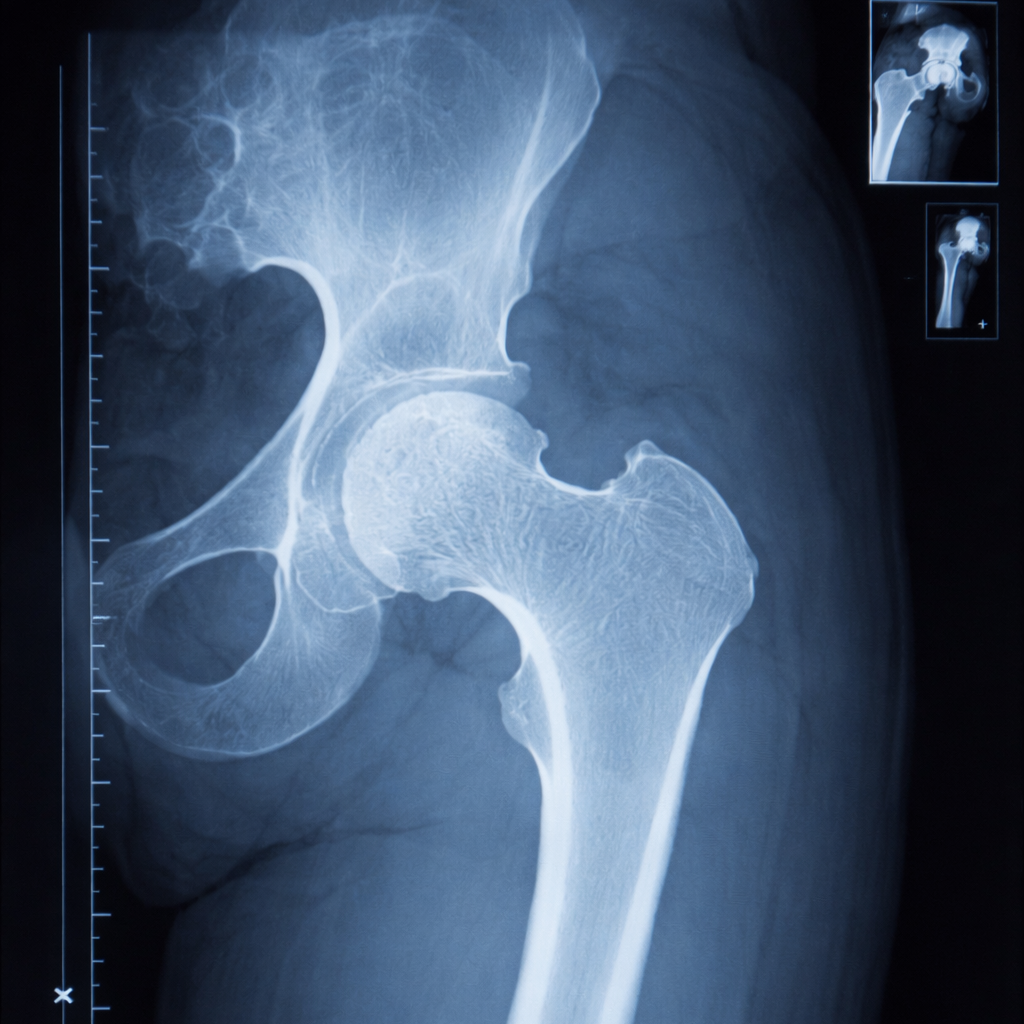
A consultant orthopaedic surgeon at a hospital in Belfast performed a hemiarthroplasty (partial hip replacement) procedure.

During the course of the surgery it became apparent that no fracture was present.

Once the procedure had commenced, the surgeon proceeded with the operation, citing clinical concerns about the potential complications that might arise if the surgery were halted at that stage.

Sadly, the patient later developed a post-operative pulmonary embolism and died shortly after the surgery.

This case raised serious issues of medical negligence, clinical decision-making, and patient safety within healthcare systems.


Failure to Review Radiology


Subsequent investigations revealed that the surgeon had failed to review or act upon the CT scan report confirming that there was no fracture.

This failure resulted in the patient undergoing a major orthopaedic operation that was later considered unnecessary.

The investigation identified a number of significant failings within the healthcare treatment provided:

  • failure to review the CT radiology report confirming there was no fracture
  • failure to inform colleagues or hospital management that no fracture was present during surgery
  • failure to inform the patient’s family that no fracture had been identified
  • failure to document the absence of a fracture in the operation notes
  • failure to document the clinical rationale for continuing the surgery

Such failures raise serious concerns in medical negligence and healthcare law, particularly where diagnostic imaging is not properly reviewed before major surgery takes place.


The Duty of Candour in Healthcare


Modern healthcare practice requires medical professionals to be open and transparent when errors occur however unlike Scotland and England and Wales, NI does not have a Statutory Duty of Candour in 2026.

Even the Republic of Ireland has a statutory duty of candour, primarily implemented through mandatory Open Disclosure legislation for patient safety incidents. Under the Civil Liability (Amendment) Act 2017, healthcare providers are legally required to disclose serious, notifiable patient safety incidents, apologize, and explain what happened.

The professional duty of candour requires doctors and healthcare providers to:

  • inform patients or their families when mistakes occur
  • provide clear explanations about what happened
  • ensure accurate medical records are kept
  • cooperate fully with any clinical investigation.

In Northern Ireland, the importance of openness in healthcare has been the subject of significant legal and policy reform for the past few years. Following the Inquiry into Hyponatraemia-Related Deaths, of which our office also acted for families, the Department of Health began developing proposals for a statutory Duty of Candour, which would require healthcare organisations and staff to be open and honest when unexpected harm or death occurs during treatment. The aim of the proposed framework is to ensure transparency, accountability and learning within the healthcare system so that mistakes are properly disclosed and investigated.


Professional Disciplinary Proceedings


The case was later considered by a professional medical tribunal under the Medical Act 1983, the legislation governing the regulation of doctors within the United Kingdom healthcare system.

Following a public hearing, the tribunal found that the surgeon’s conduct amounted to serious professional misconduct.

Key findings included:

  • failure to review the CT scan report
  • performance of unnecessary surgery
  • failure to disclose the absence of a fracture to colleagues and the patient’s family
  • breach of the professional duty of candour
  • dishonest concealment of the error in order to avoid investigation

The tribunal concluded that the doctor’s fitness to practise was impaired and imposed a period of suspension from the medical register.


Medical Negligence Legal Proceedings Issued by Lacey Solicitors

Lacey Solicitors, on behalf of the patient’s family, pursued a medical negligence claim for damages arising from the healthcare treatment provided.

Ruaidhri Austin, Partner, issued proceedings in the High Court of Northern Ireland on behalf of the family.

The claim was brought under two pieces of legislation frequently used in fatal medical negligence claims in Northern Ireland:

These laws allow families affected by medical negligence to pursue damages for matters such as:

  • pain and suffering experienced by our client before death
  • financial losses sustained by the family of our client
  • dependency losses suffered by family members

Admission of Liability and Settlement


Following the issue of proceedings in the High Court and the advancement of the family’s medical negligence claim, an admission of liability was ultimately secured.

The case was subsequently resolved for a significant sum, bringing the litigation to a conclusion for the family.

Healthcare professionals across Northern Ireland provide exceptional care to patients every day and the vast majority of treatment delivered within the healthcare system is of a very high standard. However, when things do go wrong, it is important that those affected are able to obtain clear answers and appropriate accountability. Medical negligence litigation can therefore play an important role in ensuring transparency, learning within healthcare systems, and maintaining public confidence in patient safety.


Medical Negligence and Healthcare Claims in Northern Ireland


Medical negligence claims frequently arise where healthcare professionals fail to meet the required standards of care.

Common examples include:

  • failure to diagnose serious medical conditions
  • failure to review scans or test results
  • surgical errors
  • lack of informed consent
  • failures in communication between healthcare providers and families

Where negligent healthcare treatment results in death, families may bring claims under Northern Ireland legislation to seek justice and financial compensation.


How a Medical Negligence Solicitor in Belfast Can Help


Medical negligence claims often involve complex issues of medicine, law and healthcare regulation. These cases require careful analysis of hospital records, expert medical evidence and clinical procedures.

At Lacey Solicitors, we have extensive experience representing patients and families in medical negligence and healthcare litigation across Northern Ireland and have prepared a useful Guide to Medical Negligence Claims.

Our solicitors regularly handle cases involving:

  • hospital negligence
  • surgical errors
  • delayed diagnosis
  • fatal medical negligence claims
  • failures in diagnostic imaging and radiology

If you believe negligent healthcare treatment has affected you or a loved one, our team can provide clear and confidential legal advice.

Roundabout Accidents in Belfast: Why Misinformation Causes So Many Crashes

Roundabouts are a common feature of Belfast’s road network. From busy junctions near the Westlink to suburban traffic systems connecting residential areas, roundabouts are designed to keep vehicles moving and reduce congestion. In theory, they are safer than traditional crossroads. In practice, however, roundabout accidents remain one of the most frequent types of road traffic accident reported across Northern Ireland.

Many drivers assume they fully understand how roundabouts work. Yet confusion about lane positioning, signalling and right of way often leads to sudden braking, side impacts and rear end collisions. These accidents are rarely dramatic at first glance, but they can still result in significant physical and emotional consequences.


Why Roundabouts Cause So Much Confusion


Roundabouts require constant awareness and decision making. Drivers must choose the correct lane, anticipate the movements of others and react quickly to vehicles entering from different directions. In Belfast, where traffic levels can fluctuate throughout the day, this can create unpredictable driving conditions.

One of the most common causes of roundabout accidents is lane misuse. Drivers sometimes enter in the wrong lane and attempt to correct their position at the last moment. This often results in side swipe collisions or sudden braking that leads to rear end impacts. Others fail to signal clearly when exiting, leaving surrounding drivers unsure of their intentions.

Multi lane roundabouts in particular increase the risk of misunderstanding. Vehicles travelling side by side may drift slightly within their lane, especially during poor weather. Even a small misjudgement can lead to contact between vehicles.


The Most Common Types of Roundabout Collisions


Several patterns appear repeatedly in Belfast roundabout accidents.

Rear end collisions are frequent. These usually occur when one driver stops unexpectedly at the entry point while another assumes traffic will continue flowing. The stop start nature of busy urban roundabouts makes this type of accident particularly common during peak hours.

Side impact collisions also occur regularly. These often happen when a driver attempts to exit from the inner lane without checking for a vehicle travelling in the outer lane. In some cases, both drivers believe they have priority, leading to disputes about how the accident unfolded.

Low speed contact is another typical scenario. Vehicles may clip mirrors or scrape panels while manoeuvring around tight curves. Although damage may appear minor, occupants can still experience soft tissue injuries due to the sudden movement.


Hidden Injuries After Roundabout Accidents


Because many roundabout collisions occur at relatively low speeds, drivers often assume injuries will be minimal. This is not always the case. Even a modest impact can cause whiplash, back pain or shoulder strain, particularly where braking is abrupt.

The circular movement of a roundabout can create twisting forces on the body. If a vehicle is struck from the side, the torso may rotate unexpectedly, placing strain on the spine and neck. Symptoms sometimes develop later in the day or even several days afterwards.

Psychological effects can also follow. Some individuals report increased anxiety when approaching roundabouts after experiencing a collision. Busy traffic conditions combined with previous trauma can reduce confidence and make routine driving feel more stressful.


Roundabouts in Belfast: Traffic Patterns and Risk Factors


Belfast’s infrastructure contributes to the frequency of these accidents. Major connecting routes funnel large volumes of vehicles into roundabouts that were originally designed for lighter traffic. During rush hour, drivers may feel pressured to make quick decisions, increasing the likelihood of misjudgement.

Weather also plays a role. Rain and frost are common across Northern Ireland, and slippery surfaces reduce braking control. Visibility issues during darker winter evenings can make signalling harder to spot.

Tourists and drivers unfamiliar with specific junction layouts can add further unpredictability. When drivers hesitate or change lanes suddenly, surrounding vehicles must react quickly, sometimes resulting in avoidable collisions.


When Liability Is Disputed


Roundabout accidents frequently lead to conflicting accounts. Each driver may believe the other entered incorrectly or failed to signal. Without independent witnesses or dashcam footage, it can be difficult to reconstruct the precise sequence of events.

This is one reason many individuals choose to speak with solicitors who regularly handle roundabout related collisions. These conversations typically focus on understanding what information may be useful and how similar disputes are usually approached.

Our Road Traffic Accident team regularly assists individuals involved in junction and roundabout collisions throughout Belfast and Northern Ireland. Each case turns on its own facts, and early clarity can often reduce uncertainty.


Why Even Minor Roundabout Accidents Should Not Be Dismissed


It is easy to underestimate a low speed impact. Vehicles may appear only lightly damaged, and drivers often exchange details and move on quickly. However, symptoms such as neck stiffness, headaches or back discomfort frequently appear later.

Ignoring these signs can prolong recovery. Many people initially attempt to continue normal routines before realising that discomfort persists. Seeking reassurance and understanding what others typically do after similar incidents can provide peace of mind.

If you have been involved in a roundabout accident in Belfast and want to explore your options, our personal injury solicitors in Northern Ireland are available to listen and provide clear guidance based on experience.


Moving Forward After a Roundabout Collision


Roundabouts are designed to improve traffic flow, yet confusion and miscommunication continue to cause preventable accidents. Understanding how these collisions happen helps drivers recognise that they are not alone in their experience.

Recovery from any road traffic accident involves both physical and emotional adjustment. If you would like to speak with someone about what steps people commonly take following a roundabout collision, you can reach out through our contact page, where our team is ready to assist.


Psychological Trauma After a Belfast Car Accident: What People Commonly Experience

Psychological trauma is one of the most overlooked effects of road traffic accidents in Belfast.

Many people focus first on physical injuries such as whiplash, back pain or bruising, but emotional and psychological reactions can be just as significant. It is common for individuals to feel unsettled, anxious or overwhelmed in the days and weeks following an accident. Even incidents that seem minor at the time can leave a lasting emotional impact. People often describe how their mind continues to replay the event or how they find themselves feeling tense when driving through certain parts of Belfast where the accident occurred. These experiences are far more common than many realise and should never be dismissed.

Psychological trauma does not always appear immediately. Many individuals in Northern Ireland explain that they felt fine at the scene and only realised later that their confidence had been affected. Others notice changes in their sleep patterns or feel more nervous when travelling as a passenger. Some experience moments of irritability, difficulty concentrating or a sense of being on edge.

These reactions are a normal response to a sudden and unexpected event. Road traffic accidents interrupt a person’s sense of safety and control, and the mind often continues to process the experience long after the physical injuries have begun to settle.


Common Emotional Reactions After a Car Accident


People who reach out to speak with a solicitor frequently mention similar emotional symptoms. Many describe feeling nervous when returning to the road for the first time. Others struggle with intrusive thoughts about how the accident happened or what could have occurred. Some individuals report feeling jumpy when hearing loud noises or sudden braking sounds. These reactions often relate to the shock of the incident and the body’s attempt to protect itself from further harm.

It is also common for people to feel frustrated or embarrassed about their emotional response. They may believe they should be coping better or worry that others will not understand how they feel. In reality, psychological trauma after a road traffic accident is one of the most natural and widespread reactions and it affects people of all ages and backgrounds across Northern Ireland.


How Trauma Can Affect Daily Life


Psychological trauma can influence a person’s daily routine in many ways. Some individuals find it difficult to return to driving, especially if their accident occurred during heavy Belfast traffic or on a familiar route. Others begin avoiding certain roads or junctions associated with the incident. People may feel anxious when approaching roundabouts, merging lanes or busy motorway slip roads because these situations remind them of the accident.

Sleep disturbances are also very common. Individuals often report vivid dreams or restless nights where their mind replays the moment of impact. Lack of sleep can then contribute to irritability, fatigue and difficulty concentrating during the day. These challenges can make work, family life and ordinary tasks feel more overwhelming than usual. Many people feel frustrated that their emotions seem out of their control even though their physical injuries may be improving.


Why Psychological Trauma Happens After an RTA

A road traffic accident is a sudden and unexpected event that forces the mind and body into a heightened state of alert. The shock response is immediate and protective. Once the initial adrenaline wears off, the brain continues to process what happened. This can lead to heightened awareness, tension or ongoing fear. These emotional responses are not a sign of weakness. They are a natural part of the body’s recovery after a frightening experience.

People in Belfast and across Northern Ireland often describe feeling confused about why they are struggling emotionally when the physical injuries were relatively minor. It is important to understand that psychological trauma does not depend on the severity of the impact. Even low speed collisions can create sudden fear or panic, especially if a person felt trapped or powerless in the moment.


Roads and Conditions in Belfast That Contribute to Stress

Belfast roads can be busy and unpredictable. Congested areas such as the Westlink, Ormeau Road and the motorway network create environments where sudden braking and merging are common. These conditions can heighten anxiety after an accident, especially when drivers must return to similar traffic situations soon after the incident. Rural roads across Northern Ireland also contribute to stress because they often involve narrow bends, limited visibility and higher driving speeds. Individuals who experience trauma on rural roads may feel nervous approaching similar conditions again.

Weather conditions in Northern Ireland also play a role. Rain, frost and poor visibility increase the unpredictability of the road, and many people describe how certain weather triggers reminders of their accident. These emotional reactions are normal and shared by many others who have been involved in similar situations.


When People Choose to Speak with a Solicitor

People often choose to speak with a solicitor after experiencing psychological trauma following a road traffic accident because they want clarity and reassurance. These conversations are not about receiving legal advice. Instead, individuals want to understand what steps others usually take, what kind of evidence may be helpful and how emotional injuries are commonly addressed in personal injury claims. Many people feel more confident once they have spoken with someone who understands the common patterns of trauma after an accident and can explain how these experiences fit within the broader claims process.

At Lacey Solicitors we speak every day with individuals who are coping with emotional strain after accidents in Belfast and across Northern Ireland. Our team approaches every conversation with sensitivity and understanding, recognising that psychological trauma can be just as difficult to manage as a physical injury. You can find more information about our services on our Road Traffic Accident page.


Moving Forward After Psychological Trauma

Recovery from trauma is rarely straightforward. Some people begin to feel better within a few weeks, while others find that progress takes longer. It is normal for symptoms to fluctuate. Individuals may feel confident one day and anxious the next, especially if they encounter triggers that remind them of the accident. With time, support and patience, most people begin to regain their sense of confidence on the road and in everyday life.

Our team provides calm and compassionate guidance for individuals across Northern Ireland who are dealing with emotional and psychological effects after a road traffic accident. You can contact us through https://laceysolicitors.com/contact-us/ if you wish to discuss your situation with someone who understands the process.


Trainee Solicitor Cara O’Sullivan Returns From Institute of Professional Legal Studies

Welcome Back to the Office, Cara O’Sullivan – Our Trainee Solicitor (NI & ROI)


We’re delighted to welcome Cara O’Sullivan, our Trainee Solicitor, back to the office after completing her time at the Institute.

Cara graduated from Queen’s University Belfast in 2023, began her training contract with the firm in September 2024, and attended the Institute from January 2025 to December 2025 as part of her professional training. While she enjoyed the experience and everything it offered, Cara is very happy to return to the office – back into the pace of practice, supporting clients, and progressing cases across both jurisdictions.


Cara’s Institute Year: Building Strong Foundations Across Key Practice Areas


During her time at the Institute, Cara completed modules covering core subjects that directly support the work she is now doing day-to-day in practice. These included:

  • Property
  • Criminal
  • Family
  • Private Client
  • Advocacy
  • Business
  • Tort

These modules strengthened Cara’s legal knowledge across a wide range of areas – combining black-letter law with practical application, drafting, analysis, and professional skills. That breadth is especially valuable for a trainee developing into a solicitor with the ability to handle varied instructions and contribute meaningfully across a busy practice.

Cara also acted as Class Representative and assisted in organising events and fundraisers including the recent IPLS Winter Gala which raised over £2,000 for Action Mental Health and NI Hospice.


All-Ireland Mediation Competition: Learning and Connecting Across the Island


One of the highlights of Cara’s Institute year was taking part in the All-Ireland Mediation Competition. The competition brought together teams from across the island, with participants competing against – and learning alongside- teams from all over Ireland.

Mediation is a skill that sits at the heart of modern dispute resolution: it demands clear thinking under pressure, strong communication, practical negotiation, and the ability to identify outcomes that serve clients’ interests. Competing in an all-island setting gave Cara the opportunity to sharpen those skills in a realistic, fast-moving environment – while also building professional connections across the island.

That all-Ireland element is particularly fitting, as Cara’s developing area of practice will be cross-jurisdictional work across Northern Ireland and the Republic of Ireland. The competition wasn’t just an academic experience; it mirrored the collaborative, relationship-driven nature of practice across Ireland – strengthening connections and learning that will support Cara’s career as her work continues to develop on an all-island basis.


Back in Practice: Training Under Head Partner Terry Lacey


Cara continues her training under her master, Terry Lacey, Head Partner of the firm. Since returning, she has been involved in a broad mix of Northern Ireland (NI) and Republic of Ireland (ROI) matters, gaining experience on both plaintiff and defence cases – an excellent foundation for building rounded judgment and practical case strategy.

As part of her trainee role, Cara is regularly involved in:

  • Attending court across the island of Ireland
  • Drafting proceedings and preparing legal documentation
  • Attending client consultations and supporting case planning
  • Assisting with file progression and litigation preparation across NI and ROI cases

Looking Ahead: Qualification in September 2026


Cara is now focused on the next milestone in her career. She is due to qualify in September 2026, when she will be added to the Roll of Solicitors for Northern Ireland.

We’re proud of how Cara has progressed so far- from Queen’s Law graduate, to starting her training contract in 2024, to completing a busy and successful Institute year. We’re delighted to have her back in the office and look forward to supporting her as she continues to build her all-Ireland practice.

New BSA Scale Costs in Northern Ireland: What Solicitors, Insurers, and Claims Professionals Need to Know

Lacey Solicitors is committed to keeping our insurer clients informed about key updates in Northern Ireland litigation. The Belfast Solicitors’ Association (BSA) Scale costs have recently been revised to reflect the new solicitors’ hourly rate, with important implications for personal injury claims, trial costs, and litigation management strategies.


Significant Increase in Solicitors’ Hourly Rate


On 29 April 2025, Master Moore issued a notification increasing the standard solicitors’ hourly rate from £102 to £155 per hour, effective 1 June 2025. This 52% increase, the first comprehensive revision since 2014, followed a review commissioned by the Lady Chief Justice and chaired by Mr Justice McAlinden, with input from 131 law firms and an independent cost analysis conducted by BDO Northern Ireland.

The new rate applies prospectively and will remain in place until 1 April 2027. Work undertaken before 1 June 2025 continues to be charged at the previous rate. Routine cases may attract uplifts of up to 50% for skill, care, and attention, with the Taxing Master retaining discretion to apply further adjustments where justified. The legal executive rate has also increased to £116.25 per hour, up from £76.50.


Updated BSA Scale Costs


The BSA Scale Guide, previously revised in 2016, has been updated to align with the new hourly rate. It now applies to personal injury actions settled after 5 January 2026, providing guidance on professional fees and trial costs. For cases proceeding to trial, the recommended additional fees are £1,330 per full day and £1,026 per half day, ensuring that solicitors are compensated for the extra work involved in complex proceedings.

While the guide provides a useful benchmark for most personal injury actions, it is not recommended for professional negligence, medical negligence, industrial disease claims, assault actions against the Crown, commercial litigation, or defamation. Solicitors should continue to maintain accurate time records and ensure that court orders specify taxation in default of agreement where costs are payable by the other party.


Implications for Insurers and Claims Professionals


The increase in BSA Scale costs and hourly rates has direct implications for insurers and claims handlers. Higher litigation costs will affect reserves, and it is essential for insurers to develop a proactive strategy to manage claims efficiently. This may include targeted approaches to certain law firms, early settlement initiatives, and overall litigation management aimed at reducing the frequency and cost of High Court proceedings.

By taking a structured and strategic approach, insurers can control costs, limit exposure, and ensure that claims are handled efficiently while complying with legal obligations.


Conclusion


The updated BSA Scale costs and new solicitors’ hourly rates mark a major development for personal injury and civil litigation in Northern Ireland. Solicitors, insurers, and claims professionals should familiarise themselves with these changes to ensure accurate cost recovery, effective litigation management, and proper financial planning.

Lacey Solicitors continues to monitor these developments closely, providing guidance to clients and insurers navigating the evolving litigation landscape in Northern Ireland.

E‑Scooter & Electric Bike Accidents in Belfast: Your Rights, the Law and How to Claim Compensation


E‑scooters and electric bikes are now a common sight across Belfast and Northern Ireland. Unfortunately, our growing experience is that e-scooters – and many electric bikes – often fail to meet the legal standards required for use on public roads, pavements, and cycle paths. This has contributed to a rise in fairly serious collisions and significant injuries.

If you’ve been injured in an e-scooter or electric bike accident, it’s vital to understand your legal rights, liability issues, and how to recover compensation. At Lacey Solicitors, our Belfast team specialises in personal injury and insurance litigation, acting for injured individuals and insurers alike, with early advice on liability, losses, and compensation.


Rising E‑Scooter Injury Collisions in Northern Ireland


Following on from our recent article about E-Scooter regulations in Ireland, according to the Police Service of Northern Ireland (PSNI), injury collisions involving e-scooters in Northern Ireland have been steadily increasing:

  • 2022/23: 25 injury-involved collisions
  • 2023/24: 32 injury-involved collisions
  • 2024/25: 41 injury-involved collisions

PSNI also recorded a rise in e-scooter seizures, reflecting enforcement against unlawful use:

  • 2022/23: 2 seized
  • 2023/24: 23 seized
  • 2024/25: 28 seized

This data underscores the growing risk of injury associated with e-scooters in Northern Ireland.


Legal Pitfalls: E‑Scooters and Electric Bikes


There are several critical pitfalls to be aware of:

E‑Scooters

  • Restricted to off-road use only
  • Illegal on public land, including pavements, parks, and roads
  • Using them unlawfully can affect liability, insurance coverage, and compensation claims

Electric Bikes (EAPCs)

  • Some electric bikes qualify as Electrically-Assisted Pedal Cycles (EAPCs), which are legal on public roads and cycle paths if they meet requirements for pedals, motor power, and maximum assisted speed
  • Non-compliant electric bikes are classed as mopeds or motorcycles and must be registered, taxed, and insured
  • Injuries involving non-compliant e-bikes may require claims through the Motor Insurers’ Bureau (MIB) if the rider is uninsured

For the latest rules, always check the PSNI and NI Direct websites. Understanding compliance is key to establishing liability and securing compensation.


EAPC Compliance: How to Tell if an E-Bike Is Legal


Identifying whether an electric bike is an EAPC is often crucial for a claim:

  • Accelerates without pedalling: Unlikely to be an EAPC
  • Travels at high speed without rider effort: Suggests non-compliance
  • Make and model checks online: Most major manufacturers in Northern Ireland only sell compliant bikes
  • Obvious modifications: Extra batteries or large motors indicate non-compliance
  • Expert assessment: A qualified motor assessor can measure maximum speed and motor output

If a bike is non-compliant, this can strengthen a claim through the MIB, particularly if the rider is uninsured. Challenges arise if the bike has been destroyed or not photographed, but expert analysis and witness evidence can help.


How E‑Scooter and Electric Bike Accidents Happen


Accidents can occur in many ways:

  • Collisions with motor vehicles at junctions
  • Pedestrian injuries on pavements or public areas
  • Loss of control due to road hazards (potholes, wet surfaces)
  • Careless or aggressive riding
  • Riders failing to wear protective gear

Even at low speeds, e-scooters and electric bikes offer virtually zero protection, so injuries can be serious.


Common Injuries from E‑Scooter and E‑Bike Collisions


  • Head and brain injuries
  • Facial and dental trauma
  • Broken bones and fractures
  • Neck, back, and soft tissue injuries
  • Psychological impacts, including anxiety or PTSD

Pedestrians and cyclists are particularly vulnerable in pavement or junction collisions.


Immediate Steps After a Collision in Belfast


If you are injured:

  1. Report the incident to PSNI
  2. Seek medical attention
  3. Gather evidence — photos, witness details, dash-cam footage
  4. Preserve vehicle information, such as make and model
  5. Keep records of medical treatment and expenses
  6. Contact a solicitor early – expert advice is essential

Early evidence collection increases the chances of a successful claim.


Making a Compensation Claim


You may be entitled to compensation if your injury was caused by another’s negligence, including:

  • Dangerous or careless riding
  • Riding unlawfully on pavements or roads
  • Breaches of traffic law
  • Speeding or loss of control


Compensation Can Include


  • Pain and suffering / general damages
  • Loss of earnings and future income
  • Medical treatment and rehabilitation
  • Care costs and adaptations
  • Property damage

Awards in Northern Ireland are guided by (the “Green Book”), which ensures consistent valuation of injuries.


Claims Against Uninsured or Untraced Riders


If the e-scooter or e-bike rider does not have insurance, a claim may be made through the Motor Insurers’ Bureau (MIB).

  • Non-compliant e-bikes are treated as motor vehicles, so MIB coverage can apply
  • Early expert assessment helps establish liability and compliance status
  • Even if the vehicle has been destroyed, witness statements and photos can support a claim

Lacey Solicitors has extensive experience handling these complex MIB claims.


Time Limits for Claims in Northern Ireland


  • Standard: 3 years from the date of injury
  • Child victims: 3 years from their 18th birthday

Early advice is crucial to avoid losing the right to claim.


Why Choose Lacey Solicitors?


Lacey Solicitors is a Belfast law firm specialising in personal injury and insurance litigation. We are trusted by:

  • Injured individuals seeking full compensation
  • Insurers managing liability claims
  • Clients across the island of Ireland needing expert legal representation

Our team provides:

  • Deep experience in road traffic and insurance disputes
  • Proven success with uninsured and untraced driver claims
  • Expertise in EAPC compliance and liability assessment

Contact Lacey Solicitors Today


With rising e-scooter injury figures in Northern Ireland, early legal advice is essential.

If you’ve been injured in an e-scooter or electric bike accident in Belfast or elsewhere in Northern Ireland, contact Lacey Solicitors for confidential, expert advice and support.


Scarring, Burns and Dermatology Injuries After Road Traffic Accidents in Northern Ireland

Skin injuries are often underestimated after a road traffic accident in Northern Ireland.

Many people initially focus on the more obvious consequences of a collision such as whiplash, back pain or general soreness. Only later do they realise that an injury to the skin can have a deeper impact than expected. Scarring, burns and other dermatology related problems can affect movement, confidence and emotional wellbeing for far longer than many anticipate. These injuries can feel very personal, particularly when they appear on visible areas such as the hands, face or arms. People regularly express surprise at how much a skin injury influences everyday life long after the accident itself.

In Northern Ireland, a wide range of accident types can lead to dermatology injuries. Rear end incidents, side impacts, collisions at junctions and even low speed bumps can result in abrasions, burns or lacerations. The skin reacts to trauma in ways that are not always immediately obvious. Some injuries remain painful for weeks. Others heal physically but leave lasting marks that affect confidence. Understanding how these injuries arise and how they affect people can help individuals make sense of what they are experiencing after an accident.


How Dermatology Injuries Happen During an Accident


The skin can be damaged in several ways during a collision. Airbags deploy rapidly with considerable heat, which can cause irritation or superficial burns. Seatbelts tighten abruptly and can create friction injuries across the chest, neck or shoulder. Broken glass may cause small but significant cuts during a side impact or T bone collision. Even contact with interior surfaces of the vehicle can leave marks that take time to heal.

Some injuries do not seem serious at the time but grow more noticeable as the days pass. People often mention that swelling, discolouration or raised scarring appeared only after the initial shock faded. This is completely normal and something many individuals across Northern Ireland experience following a road traffic accident.


Injuries That Commonly Affect the Skin


Lacerations are among the most frequent injuries, especially when glass is involved. These wounds may heal quickly but can leave visible scars that last for years. Seatbelt friction burns can create patches of tender, reddened skin that remain sore for an extended period. Airbag burns may appear as dry or irritated patches that require ongoing care. Some people also experience deeper tissue bruising that changes colour before slowly fading.

Dermatology injuries vary widely in severity. Minor cuts might heal with little difficulty. More significant wounds can result in permanent marks or areas of sensitivity. People often explain how they were surprised by the emotional response these injuries created, particularly when they affected their appearance.


Psoriasis and Other Conditions Triggered by Trauma


A lesser known but increasingly discussed issue is the triggering or worsening of psoriasis and other skin conditions after a collision. Many individuals in Northern Ireland who have never experienced a flare up suddenly develop irritated or inflamed patches of skin in the weeks following an accident. Others with a pre existing condition notice a sudden increase in symptoms.

This response can occur for several reasons. Physical trauma to the skin may cause new lesions to appear. Emotional stress following the incident can aggravate underlying conditions. Changes in routine, sleep patterns or medication can also influence how the skin reacts. These flare ups often cause embarrassment, discomfort and frustration, especially when they appear in prominent areas.


The Emotional and Social Impact of Skin Injuries


Skin injuries often carry emotional weight that can be deeper than the physical discomfort itself. People regularly describe feeling self conscious about visible scarring, even when others do not notice it. A small scar on the hand, a mark along the jawline or a patch of discoloured skin on the arm can influence how a person feels in social or professional settings.

Some individuals begin altering how they dress. Others avoid certain activities or feel anxious in situations where the injury might be noticeable. These feelings are very common and are frequently mentioned when people discuss their experiences after a road traffic accident in Belfast or other parts of Northern Ireland.


How Dermatology Injuries Affect Daily Life


Daily routines often become more difficult after a skin injury. Clothing may rub against tender areas, making movement uncomfortable. Heat, cold or moisture can irritate healing skin. Those with extensive bruising or burns may struggle with sleep, especially when lying on the injured side. People with psoriasis flare ups often describe the discomfort of itching or tightness that interrupts daily productivity.

These challenges are not just physical. They often influence confidence and mood. Many individuals explain that their injury affects them more than they expected, particularly when it takes longer to heal than anticipated.


How Northern Ireland Road Conditions Contribute to These Injuries


Road conditions across Northern Ireland influence the types of injuries people experience. Narrow rural routes can lead to side impacts where broken glass creates lacerations. Busy Belfast traffic often results in rapid airbag deployment, which increases the chance of burns or chemical irritation. Sudden braking in wet or icy weather can cause the body to move sharply within the vehicle, creating abrasions or friction injuries.

These factors help explain why dermatology injuries appear in so many different kinds of collisions.


Speaking with a Solicitor About Skin Injuries after a Road Traffic Accident


People often choose to speak with a solicitor after experiencing scarring, burns or dermatology related injuries because they want clarity about what others in similar situations usually do. These discussions are not about receiving legal advice. They are about understanding how to document the injury, what information may be useful and what steps people commonly take during their recovery.

Many individuals find it reassuring to speak with a team familiar with the emotional and physical impact of these injuries. At Lacey Solicitors our personal injury team regularly supports people coping with the effects of dermatology injuries following a road traffic accident. You can explore our Road Traffic Accident services through our website for additional information and guidance.


Taking Steps Toward Recovery


Skin injuries often improve over time, but the recovery process can be gradual. Scars may fade slowly. Burns can remain sensitive for months. Skin conditions triggered by stress may come and go unpredictably. These fluctuations are normal and do not mean the injury is worsening.

People often find comfort in knowing that others have shared similar experiences. If you want to discuss your situation or understand what people commonly do after sustaining a skin injury, you can reach out through our contact page where our team is ready to offer calm and supportive guidance.