
T-Bone Collisions at Junctions in Northern Ireland: Understanding How These Accidents Occur

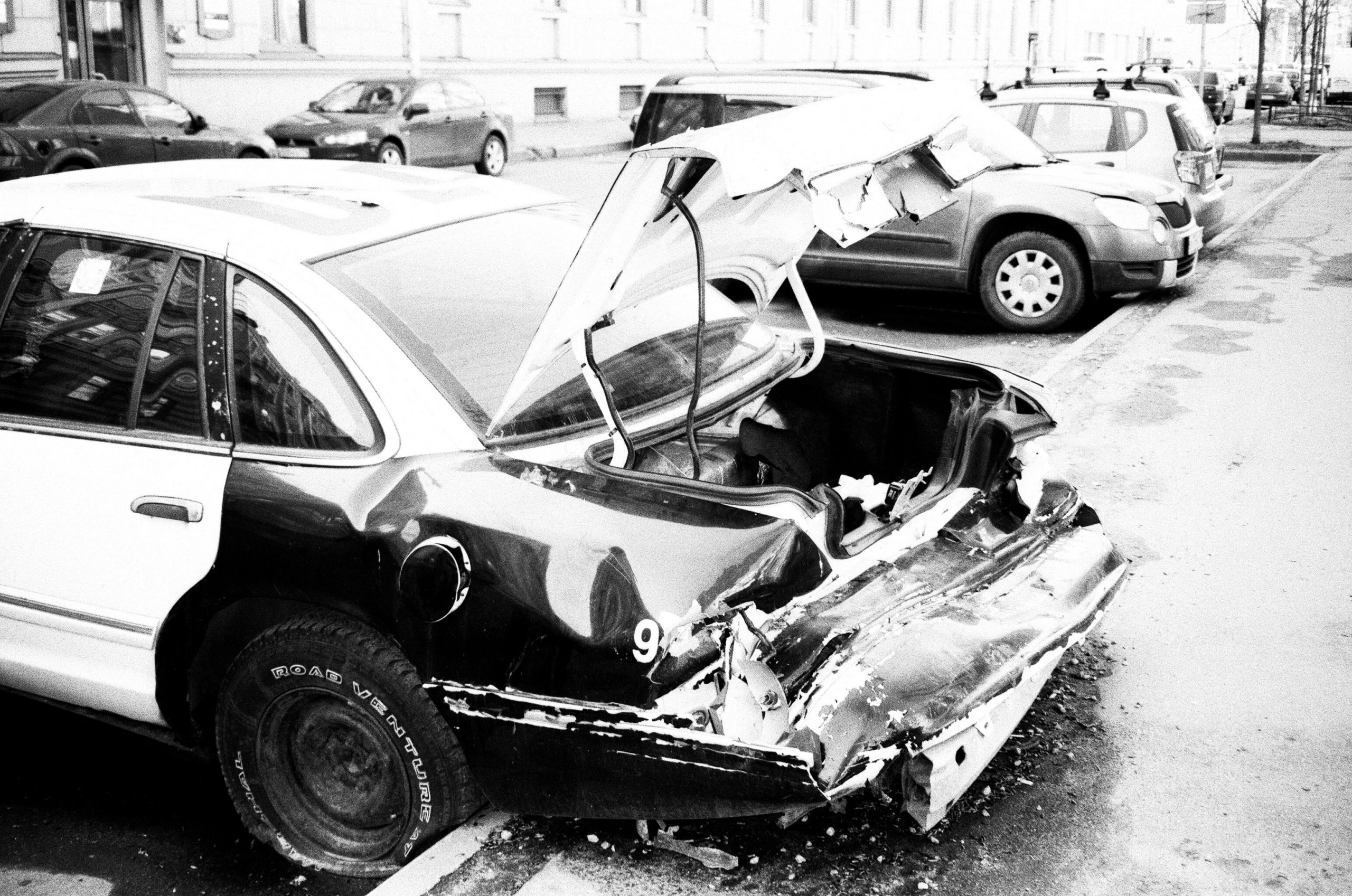
T-bone collisions are among the more serious types of road traffic accidents seen across Northern Ireland. These incidents usually happen at junctions, crossroads or when one vehicle crosses the path of another. The name comes from the shape of the impact, where the front of one vehicle strikes the side of another, forming a “T” shape.

In Belfast and surrounding areas, these accidents are often sudden, disorientating and difficult for those involved to process in the immediate aftermath.

Unlike rear-end collisions, where both vehicles are typically travelling in the same direction, T-bone accidents involve intersecting paths. This means that one driver may have very little warning before impact occurs. Even at moderate speeds, the lack of protection on the side of a vehicle can lead to more significant consequences for occupants.


Why T-Bone Collisions Happen at Junctions


Junctions require drivers to make quick decisions based on timing, visibility and judgement. In many cases, T-bone collisions occur when a driver misjudges the speed or distance of an oncoming vehicle. This can happen when turning right across traffic or when emerging from a side road.

Visibility plays a major role. Parked cars, buildings, hedges or road layout can obscure a driver’s view, especially in urban areas of Belfast or on rural roads with limited sightlines. Even a brief hesitation or miscalculation can lead to a vehicle entering the path of another.

Traffic flow also contributes. At busy junctions, drivers may feel pressure to move quickly, particularly during peak hours. This urgency can lead to rushed decisions, increasing the likelihood of error.


Common Scenarios Leading to Side-Impact Collisions


One of the most frequent situations involves a driver turning right at a junction. While waiting for a gap in traffic, they may believe they have enough time to complete the turn, only for an approaching vehicle to arrive sooner than expected.

Another common scenario occurs when a vehicle pulls out from a minor road onto a main carriageway. If the driver underestimates the speed of traffic or fails to see an approaching vehicle, a collision can happen almost instantly.

Traffic light controlled junctions can also be involved. Confusion over signals, late changes or drivers attempting to pass through amber lights may result in vehicles crossing paths unexpectedly.

On rural roads across Northern Ireland, higher speeds combined with limited visibility can make these accidents more severe. A vehicle emerging from a concealed entrance may have little opportunity to react if another vehicle is already close.


Why These Collisions Can Be More Severe


Side impacts often result in greater force being transferred directly to occupants. Unlike the front and rear of a vehicle, which are designed to absorb impact, the sides offer less structural protection.

When a vehicle is struck from the side, occupants may be pushed laterally, causing strain on the neck, shoulders and spine. In some cases, the impact may cause the vehicle to spin or move unpredictably, increasing the likelihood of further contact.

Even where speeds are not especially high, the angle of impact can make these collisions feel more severe. The suddenness of the event often leaves little time to brace, which can contribute to injury.


Injuries Often Reported After T-Bone Accidents


Individuals involved in side-impact collisions frequently report neck and shoulder pain.

The sideways motion of the body can strain muscles differently compared to a forward impact. Back discomfort is also common, particularly where the spine absorbs rotational force.

Head injuries may occur if the occupant’s head moves sharply or comes into contact with the interior of the vehicle. Even without direct impact, sudden movement can lead to symptoms such as headaches or dizziness.

Psychological effects are also widely experienced. Because T-bone collisions happen quickly and often without warning, they can leave individuals feeling shaken or anxious about approaching junctions in the future.


Junction Design and Road Conditions in NI


The layout of roads across Northern Ireland plays a role in how these accidents occur. In Belfast, older junction designs combined with high traffic volume can create complex driving environments. Multiple lanes, pedestrian crossings and turning points all require careful navigation.

Rural junctions present different challenges. Limited lighting, uneven road surfaces and restricted visibility can make it harder for drivers to assess oncoming traffic. During winter months, rain and frost can further reduce reaction time.

These conditions mean that even experienced drivers can find themselves in situations where timing and judgement become more difficult.


When Accounts of the Accident Differ


T-bone collisions often lead to differing versions of events. One driver may believe they had sufficient time to complete a turn, while the other may feel they had priority on the road. Without clear evidence, understanding exactly how the collision occurred can be complex.

Many individuals choose to seek clarity from professionals familiar with road traffic accident cases to better understand how these situations are usually approached. Our Road Traffic Accident team regularly assists people across Northern Ireland who have been involved in junction and side-impact collisions.


Moving Forward After a Junction Collision


T-bone accidents can be unsettling due to how quickly they happen. Understanding the common causes can help individuals recognise that these incidents are not unusual, particularly at busy or difficult junctions.

Recovery involves both physical and emotional adjustment, and experiences can vary from person to person. If you would like to discuss your situation or understand what steps people commonly take following this type of accident, you can reach out through our contact page to speak with a member of our team.
 

Scarring, Burns and Dermatology Injuries After Road Traffic Accidents in Northern Ireland

Skin injuries are often underestimated after a road traffic accident in Northern Ireland.

Many people initially focus on the more obvious consequences of a collision such as whiplash, back pain or general soreness. Only later do they realise that an injury to the skin can have a deeper impact than expected. Scarring, burns and other dermatology related problems can affect movement, confidence and emotional wellbeing for far longer than many anticipate. These injuries can feel very personal, particularly when they appear on visible areas such as the hands, face or arms. People regularly express surprise at how much a skin injury influences everyday life long after the accident itself.

In Northern Ireland, a wide range of accident types can lead to dermatology injuries. Rear end incidents, side impacts, collisions at junctions and even low speed bumps can result in abrasions, burns or lacerations. The skin reacts to trauma in ways that are not always immediately obvious. Some injuries remain painful for weeks. Others heal physically but leave lasting marks that affect confidence. Understanding how these injuries arise and how they affect people can help individuals make sense of what they are experiencing after an accident.


How Dermatology Injuries Happen During an Accident


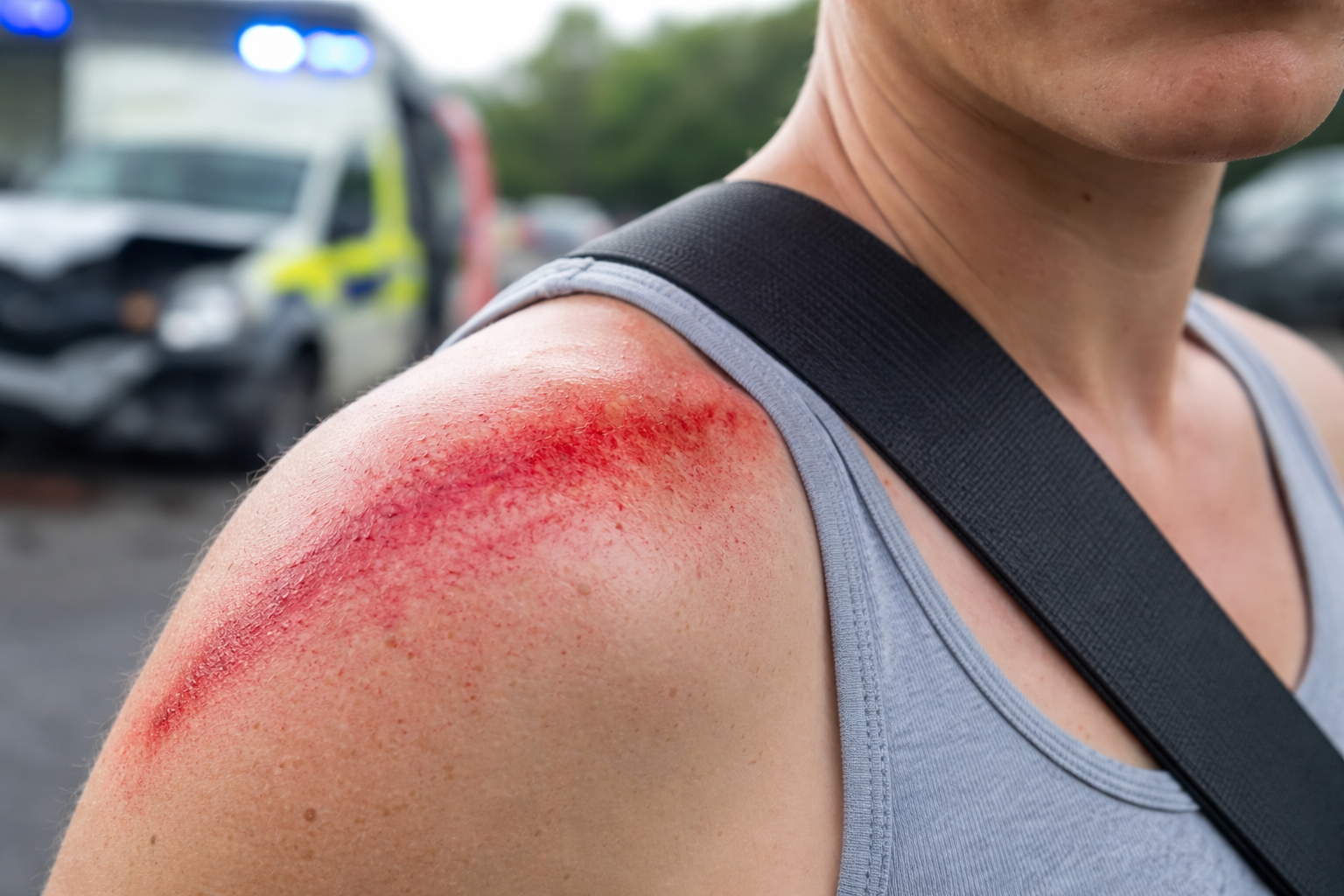
The skin can be damaged in several ways during a collision. Airbags deploy rapidly with considerable heat, which can cause irritation or superficial burns. Seatbelts tighten abruptly and can create friction injuries across the chest, neck or shoulder. Broken glass may cause small but significant cuts during a side impact or T bone collision. Even contact with interior surfaces of the vehicle can leave marks that take time to heal.

Some injuries do not seem serious at the time but grow more noticeable as the days pass. People often mention that swelling, discolouration or raised scarring appeared only after the initial shock faded. This is completely normal and something many individuals across Northern Ireland experience following a road traffic accident.


Injuries That Commonly Affect the Skin


Lacerations are among the most frequent injuries, especially when glass is involved. These wounds may heal quickly but can leave visible scars that last for years. Seatbelt friction burns can create patches of tender, reddened skin that remain sore for an extended period. Airbag burns may appear as dry or irritated patches that require ongoing care. Some people also experience deeper tissue bruising that changes colour before slowly fading.

Dermatology injuries vary widely in severity. Minor cuts might heal with little difficulty. More significant wounds can result in permanent marks or areas of sensitivity. People often explain how they were surprised by the emotional response these injuries created, particularly when they affected their appearance.


Psoriasis and Other Conditions Triggered by Trauma


A lesser known but increasingly discussed issue is the triggering or worsening of psoriasis and other skin conditions after a collision. Many individuals in Northern Ireland who have never experienced a flare up suddenly develop irritated or inflamed patches of skin in the weeks following an accident. Others with a pre existing condition notice a sudden increase in symptoms.

This response can occur for several reasons. Physical trauma to the skin may cause new lesions to appear. Emotional stress following the incident can aggravate underlying conditions. Changes in routine, sleep patterns or medication can also influence how the skin reacts. These flare ups often cause embarrassment, discomfort and frustration, especially when they appear in prominent areas.


The Emotional and Social Impact of Skin Injuries


Skin injuries often carry emotional weight that can be deeper than the physical discomfort itself. People regularly describe feeling self conscious about visible scarring, even when others do not notice it. A small scar on the hand, a mark along the jawline or a patch of discoloured skin on the arm can influence how a person feels in social or professional settings.

Some individuals begin altering how they dress. Others avoid certain activities or feel anxious in situations where the injury might be noticeable. These feelings are very common and are frequently mentioned when people discuss their experiences after a road traffic accident in Belfast or other parts of Northern Ireland.


How Dermatology Injuries Affect Daily Life


Daily routines often become more difficult after a skin injury. Clothing may rub against tender areas, making movement uncomfortable. Heat, cold or moisture can irritate healing skin. Those with extensive bruising or burns may struggle with sleep, especially when lying on the injured side. People with psoriasis flare ups often describe the discomfort of itching or tightness that interrupts daily productivity.

These challenges are not just physical. They often influence confidence and mood. Many individuals explain that their injury affects them more than they expected, particularly when it takes longer to heal than anticipated.


How Northern Ireland Road Conditions Contribute to These Injuries


Road conditions across Northern Ireland influence the types of injuries people experience. Narrow rural routes can lead to side impacts where broken glass creates lacerations. Busy Belfast traffic often results in rapid airbag deployment, which increases the chance of burns or chemical irritation. Sudden braking in wet or icy weather can cause the body to move sharply within the vehicle, creating abrasions or friction injuries.

These factors help explain why dermatology injuries appear in so many different kinds of collisions.


Speaking with a Solicitor About Skin Injuries after a Road Traffic Accident


People often choose to speak with a solicitor after experiencing scarring, burns or dermatology related injuries because they want clarity about what others in similar situations usually do. These discussions are not about receiving legal advice. They are about understanding how to document the injury, what information may be useful and what steps people commonly take during their recovery.

Many individuals find it reassuring to speak with a team familiar with the emotional and physical impact of these injuries. At Lacey Solicitors our personal injury team regularly supports people coping with the effects of dermatology injuries following a road traffic accident. You can explore our Road Traffic Accident services through our website for additional information and guidance.


Taking Steps Toward Recovery


Skin injuries often improve over time, but the recovery process can be gradual. Scars may fade slowly. Burns can remain sensitive for months. Skin conditions triggered by stress may come and go unpredictably. These fluctuations are normal and do not mean the injury is worsening.

People often find comfort in knowing that others have shared similar experiences. If you want to discuss your situation or understand what people commonly do after sustaining a skin injury, you can reach out through our contact page where our team is ready to offer calm and supportive guidance.


How to Make a Car Accident Claim in Northern Ireland?

A step-by-step guide from Lacey Solicitors Belfast to bringing a claim for compensation after a car accident for those in NI.

Car accidents are neither rare nor easy to deal with. Every year in Northern Ireland the PSNI reports around 5,000 collisions, with casualties in 2023 alone reaching 7,985 people. These extraordinary numbers reflect an ongoing problem with road safety – a problem which could impact you if you have a road traffic accident (RTA).

RTAs leave you in physical and emotional pain. Understanding the steps you can take to make a car accident claim for compensation can help you recover some of the losses you experienced due to your accident. Whether you were a passenger in a collision in Newry, rear ended in Lisburn, or injured as a pedestrian in Armagh, let Lacey Solicitors firm guide you through the challenges of claiming compensation after your accident.


What is a Car Accident Claim?


If you become injured in a car accident and it was not your fault, then you could claim compensation against the at-fault party. Speeding, lack of care, dangerous driving, and driving while under the influence of alcohol are all common causes of car accidents. No matter the cause, though, car accidents are costly both in terms of health and recovery.


How to Make a Claim for Compensation After a Car Accident in NI?


There are simple steps to making a claim for compensation after your accident. Follow the advice outlined below for the best chance at receiving the maximum possible compensation for your injuries.

At the Time of the Accident

Immediately after the accident has happened, follow these steps:

  •       Make yourself safe
  •       Get medical attention
  •       Speak to the police and report the accident
  •       Gather witness details and driver contact details
  •       Take photos

This will give you the best evidence to support your claim from the get go.

Following the Accident

After your accident has occurred, make sure that you get in touch with the best car accident solicitors near you. Lacey Solicitors Belfast are known and respected as car accident experts and will be able to guide you safely through the legal quagmire of motor accident compensation claims.

Once you have chosen the Best Injury Solicitor in NI, proceed with the following:

  1. Act quickly – you have three years to make your claim but do not delay.  
  2. Assist your solicitor by providing a full statement along with any images to allow them to determine who was at fault and gather evidence.
  3. Carefully document your injuries and recovery time so that you can relay them to the medical examiner arranged by your solicitor. 
  4. Provide your solicitor with any ‘special damages‘ or out of pocket expenses such as loss of earnings, hire car costs, medical expenses so that they can add them to your claim.
  5. Approve the medical report with your solicitor as soon as you receive it so that there are no delays.

Your Solicitor and The Settlement Process


Your solicitor will seek to negotiate a settlement from the insurance company on your behalf.

All you must do is trust them to perform. If your claim needs to go to court then your car accident solicitor in NI will help you with the process. At Lacey Solicitors, our own experience is that less than 10% of car accident claims dealt with by our solicitors ever see the the inside of a courtroom. 

The very vast amount of our claims are settled outside of the courtroom which speaks to the reputation and negotation skills of our solicitors.


Trusted Car Accident Solicitors in Northern Ireland


Lacey Solicitors are a trusted law firm operating across Northern Ireland. Contact us today using our online portal to discuss the details of your car accident so that we may begin working on your compensation claim together.