
E‑Scooter & Electric Bike Accidents in Belfast: Your Rights, the Law and How to Claim Compensation


E‑scooters and electric bikes are now a common sight across Belfast and Northern Ireland. Unfortunately, our growing experience is that e-scooters – and many electric bikes – often fail to meet the legal standards required for use on public roads, pavements, and cycle paths. This has contributed to a rise in fairly serious collisions and significant injuries.

If you’ve been injured in an e-scooter or electric bike accident, it’s vital to understand your legal rights, liability issues, and how to recover compensation. At Lacey Solicitors, our Belfast team specialises in personal injury and insurance litigation, acting for injured individuals and insurers alike, with early advice on liability, losses, and compensation.


Rising E‑Scooter Injury Collisions in Northern Ireland


Following on from our recent article about E-Scooter regulations in Ireland, according to the Police Service of Northern Ireland (PSNI), injury collisions involving e-scooters in Northern Ireland have been steadily increasing:

  • 2022/23: 25 injury-involved collisions
  • 2023/24: 32 injury-involved collisions
  • 2024/25: 41 injury-involved collisions

PSNI also recorded a rise in e-scooter seizures, reflecting enforcement against unlawful use:

  • 2022/23: 2 seized
  • 2023/24: 23 seized
  • 2024/25: 28 seized

This data underscores the growing risk of injury associated with e-scooters in Northern Ireland.


Legal Pitfalls: E‑Scooters and Electric Bikes


There are several critical pitfalls to be aware of:

E‑Scooters

  • Restricted to off-road use only
  • Illegal on public land, including pavements, parks, and roads
  • Using them unlawfully can affect liability, insurance coverage, and compensation claims

Electric Bikes (EAPCs)

  • Some electric bikes qualify as Electrically-Assisted Pedal Cycles (EAPCs), which are legal on public roads and cycle paths if they meet requirements for pedals, motor power, and maximum assisted speed
  • Non-compliant electric bikes are classed as mopeds or motorcycles and must be registered, taxed, and insured
  • Injuries involving non-compliant e-bikes may require claims through the Motor Insurers’ Bureau (MIB) if the rider is uninsured

For the latest rules, always check the PSNI and NI Direct websites. Understanding compliance is key to establishing liability and securing compensation.


EAPC Compliance: How to Tell if an E-Bike Is Legal


Identifying whether an electric bike is an EAPC is often crucial for a claim:

  • Accelerates without pedalling: Unlikely to be an EAPC
  • Travels at high speed without rider effort: Suggests non-compliance
  • Make and model checks online: Most major manufacturers in Northern Ireland only sell compliant bikes
  • Obvious modifications: Extra batteries or large motors indicate non-compliance
  • Expert assessment: A qualified motor assessor can measure maximum speed and motor output

If a bike is non-compliant, this can strengthen a claim through the MIB, particularly if the rider is uninsured. Challenges arise if the bike has been destroyed or not photographed, but expert analysis and witness evidence can help.


How E‑Scooter and Electric Bike Accidents Happen


Accidents can occur in many ways:

  • Collisions with motor vehicles at junctions
  • Pedestrian injuries on pavements or public areas
  • Loss of control due to road hazards (potholes, wet surfaces)
  • Careless or aggressive riding
  • Riders failing to wear protective gear

Even at low speeds, e-scooters and electric bikes offer virtually zero protection, so injuries can be serious.


Common Injuries from E‑Scooter and E‑Bike Collisions


  • Head and brain injuries
  • Facial and dental trauma
  • Broken bones and fractures
  • Neck, back, and soft tissue injuries
  • Psychological impacts, including anxiety or PTSD

Pedestrians and cyclists are particularly vulnerable in pavement or junction collisions.


Immediate Steps After a Collision in Belfast


If you are injured:

  1. Report the incident to PSNI
  2. Seek medical attention
  3. Gather evidence — photos, witness details, dash-cam footage
  4. Preserve vehicle information, such as make and model
  5. Keep records of medical treatment and expenses
  6. Contact a solicitor early – expert advice is essential

Early evidence collection increases the chances of a successful claim.


Making a Compensation Claim


You may be entitled to compensation if your injury was caused by another’s negligence, including:

  • Dangerous or careless riding
  • Riding unlawfully on pavements or roads
  • Breaches of traffic law
  • Speeding or loss of control


Compensation Can Include


  • Pain and suffering / general damages
  • Loss of earnings and future income
  • Medical treatment and rehabilitation
  • Care costs and adaptations
  • Property damage

Awards in Northern Ireland are guided by (the “Green Book”), which ensures consistent valuation of injuries.


Claims Against Uninsured or Untraced Riders


If the e-scooter or e-bike rider does not have insurance, a claim may be made through the Motor Insurers’ Bureau (MIB).

  • Non-compliant e-bikes are treated as motor vehicles, so MIB coverage can apply
  • Early expert assessment helps establish liability and compliance status
  • Even if the vehicle has been destroyed, witness statements and photos can support a claim

Lacey Solicitors has extensive experience handling these complex MIB claims.


Time Limits for Claims in Northern Ireland


  • Standard: 3 years from the date of injury
  • Child victims: 3 years from their 18th birthday

Early advice is crucial to avoid losing the right to claim.


Why Choose Lacey Solicitors?


Lacey Solicitors is a Belfast law firm specialising in personal injury and insurance litigation. We are trusted by:

  • Injured individuals seeking full compensation
  • Insurers managing liability claims
  • Clients across the island of Ireland needing expert legal representation

Our team provides:

  • Deep experience in road traffic and insurance disputes
  • Proven success with uninsured and untraced driver claims
  • Expertise in EAPC compliance and liability assessment

Contact Lacey Solicitors Today


With rising e-scooter injury figures in Northern Ireland, early legal advice is essential.

If you’ve been injured in an e-scooter or electric bike accident in Belfast or elsewhere in Northern Ireland, contact Lacey Solicitors for confidential, expert advice and support.

 

Scarring, Burns and Dermatology Injuries After Road Traffic Accidents in Northern Ireland

Skin injuries are often underestimated after a road traffic accident in Northern Ireland.

Many people initially focus on the more obvious consequences of a collision such as whiplash, back pain or general soreness. Only later do they realise that an injury to the skin can have a deeper impact than expected. Scarring, burns and other dermatology related problems can affect movement, confidence and emotional wellbeing for far longer than many anticipate. These injuries can feel very personal, particularly when they appear on visible areas such as the hands, face or arms. People regularly express surprise at how much a skin injury influences everyday life long after the accident itself.

In Northern Ireland, a wide range of accident types can lead to dermatology injuries. Rear end incidents, side impacts, collisions at junctions and even low speed bumps can result in abrasions, burns or lacerations. The skin reacts to trauma in ways that are not always immediately obvious. Some injuries remain painful for weeks. Others heal physically but leave lasting marks that affect confidence. Understanding how these injuries arise and how they affect people can help individuals make sense of what they are experiencing after an accident.


How Dermatology Injuries Happen During an Accident


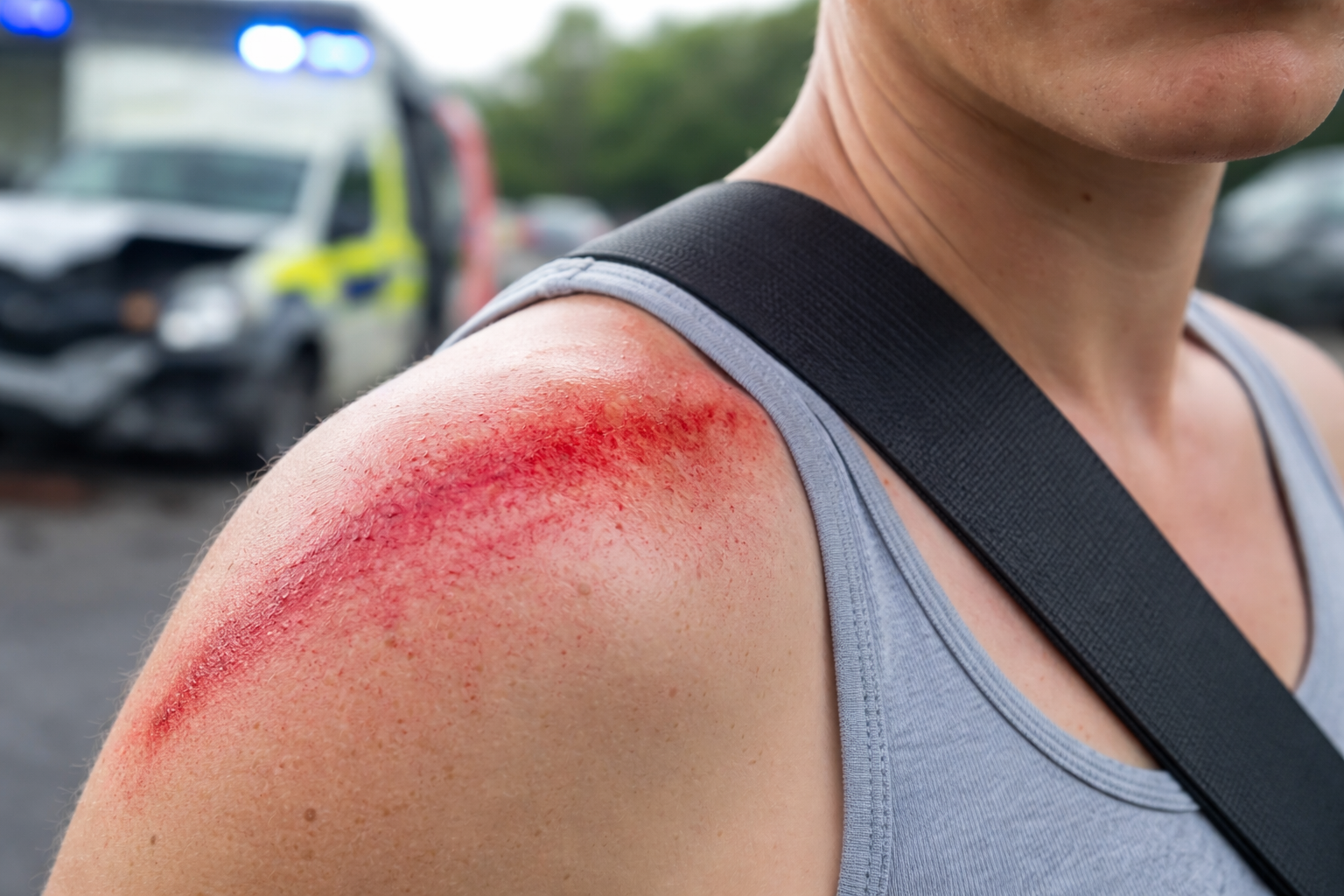
The skin can be damaged in several ways during a collision. Airbags deploy rapidly with considerable heat, which can cause irritation or superficial burns. Seatbelts tighten abruptly and can create friction injuries across the chest, neck or shoulder. Broken glass may cause small but significant cuts during a side impact or T bone collision. Even contact with interior surfaces of the vehicle can leave marks that take time to heal.

Some injuries do not seem serious at the time but grow more noticeable as the days pass. People often mention that swelling, discolouration or raised scarring appeared only after the initial shock faded. This is completely normal and something many individuals across Northern Ireland experience following a road traffic accident.


Injuries That Commonly Affect the Skin


Lacerations are among the most frequent injuries, especially when glass is involved. These wounds may heal quickly but can leave visible scars that last for years. Seatbelt friction burns can create patches of tender, reddened skin that remain sore for an extended period. Airbag burns may appear as dry or irritated patches that require ongoing care. Some people also experience deeper tissue bruising that changes colour before slowly fading.

Dermatology injuries vary widely in severity. Minor cuts might heal with little difficulty. More significant wounds can result in permanent marks or areas of sensitivity. People often explain how they were surprised by the emotional response these injuries created, particularly when they affected their appearance.


Psoriasis and Other Conditions Triggered by Trauma


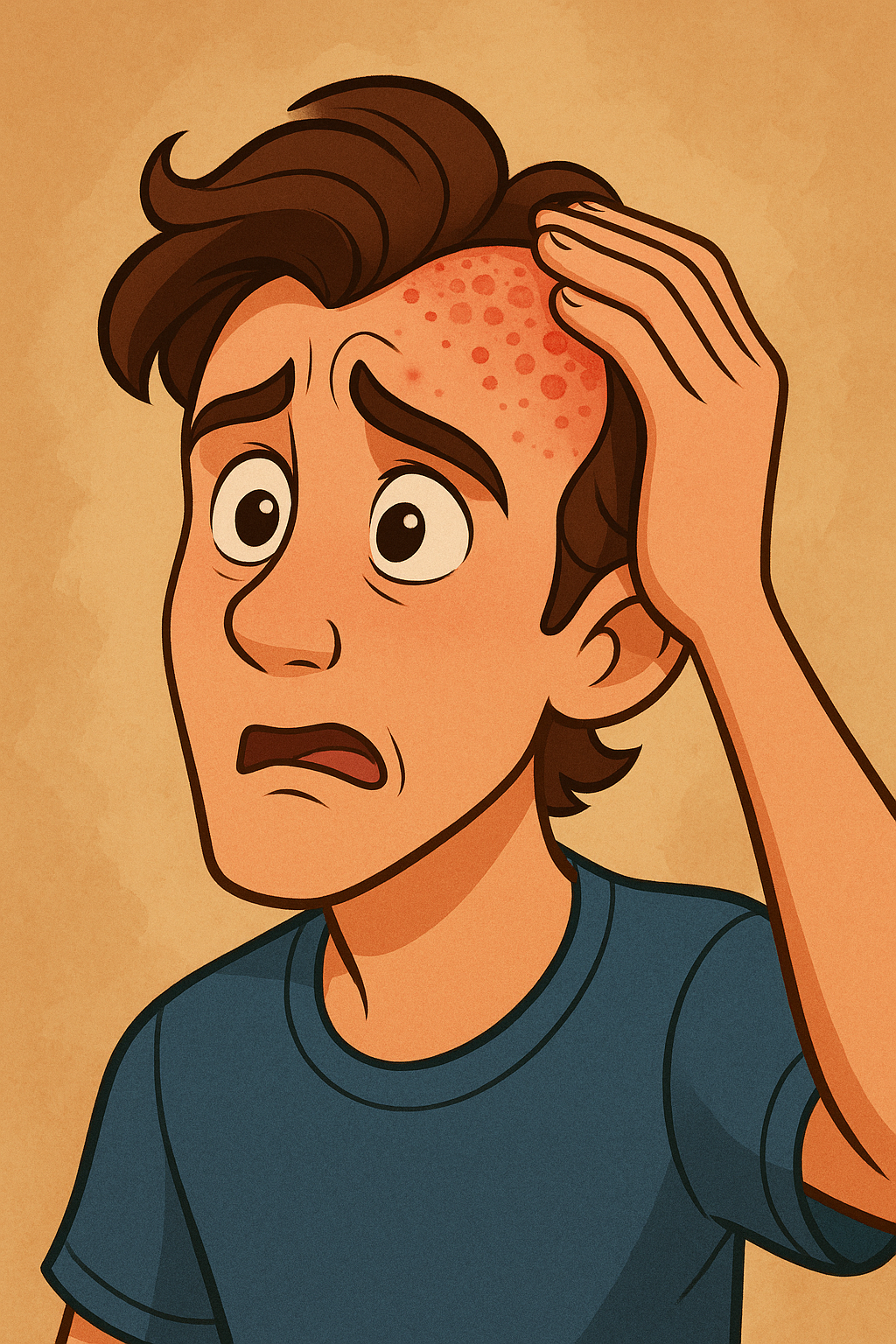
A lesser known but increasingly discussed issue is the triggering or worsening of psoriasis and other skin conditions after a collision. Many individuals in Northern Ireland who have never experienced a flare up suddenly develop irritated or inflamed patches of skin in the weeks following an accident. Others with a pre existing condition notice a sudden increase in symptoms.

This response can occur for several reasons. Physical trauma to the skin may cause new lesions to appear. Emotional stress following the incident can aggravate underlying conditions. Changes in routine, sleep patterns or medication can also influence how the skin reacts. These flare ups often cause embarrassment, discomfort and frustration, especially when they appear in prominent areas.


The Emotional and Social Impact of Skin Injuries


Skin injuries often carry emotional weight that can be deeper than the physical discomfort itself. People regularly describe feeling self conscious about visible scarring, even when others do not notice it. A small scar on the hand, a mark along the jawline or a patch of discoloured skin on the arm can influence how a person feels in social or professional settings.

Some individuals begin altering how they dress. Others avoid certain activities or feel anxious in situations where the injury might be noticeable. These feelings are very common and are frequently mentioned when people discuss their experiences after a road traffic accident in Belfast or other parts of Northern Ireland.


How Dermatology Injuries Affect Daily Life


Daily routines often become more difficult after a skin injury. Clothing may rub against tender areas, making movement uncomfortable. Heat, cold or moisture can irritate healing skin. Those with extensive bruising or burns may struggle with sleep, especially when lying on the injured side. People with psoriasis flare ups often describe the discomfort of itching or tightness that interrupts daily productivity.

These challenges are not just physical. They often influence confidence and mood. Many individuals explain that their injury affects them more than they expected, particularly when it takes longer to heal than anticipated.


How Northern Ireland Road Conditions Contribute to These Injuries


Road conditions across Northern Ireland influence the types of injuries people experience. Narrow rural routes can lead to side impacts where broken glass creates lacerations. Busy Belfast traffic often results in rapid airbag deployment, which increases the chance of burns or chemical irritation. Sudden braking in wet or icy weather can cause the body to move sharply within the vehicle, creating abrasions or friction injuries.

These factors help explain why dermatology injuries appear in so many different kinds of collisions.


Speaking with a Solicitor About Skin Injuries after a Road Traffic Accident


People often choose to speak with a solicitor after experiencing scarring, burns or dermatology related injuries because they want clarity about what others in similar situations usually do. These discussions are not about receiving legal advice. They are about understanding how to document the injury, what information may be useful and what steps people commonly take during their recovery.

Many individuals find it reassuring to speak with a team familiar with the emotional and physical impact of these injuries. At Lacey Solicitors our personal injury team regularly supports people coping with the effects of dermatology injuries following a road traffic accident. You can explore our Road Traffic Accident services through our website for additional information and guidance.


Taking Steps Toward Recovery


Skin injuries often improve over time, but the recovery process can be gradual. Scars may fade slowly. Burns can remain sensitive for months. Skin conditions triggered by stress may come and go unpredictably. These fluctuations are normal and do not mean the injury is worsening.

People often find comfort in knowing that others have shared similar experiences. If you want to discuss your situation or understand what people commonly do after sustaining a skin injury, you can reach out through our contact page where our team is ready to offer calm and supportive guidance.


Back and Spine Injuries After Road Traffic Accidents in Northern Ireland: Symptoms, Causes and What Happens Next


Back injuries are among the most common and life-disrupting consequences of road traffic accidents in Northern Ireland. Even where a collision initially appears minor, the force of impact can place sudden and unexpected pressure on the spine.

Many people in Belfast and across Northern Ireland describe how symptoms often take several days to develop. In the immediate aftermath of an accident, adrenaline and shock can mask the early signs of injury. As the body begins to settle, individuals may start to notice increasing stiffness, pain or discomfort. It is very common for people to feel confused about why their symptoms appear to worsen over time.

This is something solicitors regularly hear when individuals reach out following a road traffic accident.

Back and spine injuries can arise in a wide range of accident scenarios. Rear-end collisions are particularly associated with sudden and forceful movement of the body. T-bone impacts at junctions can twist the spine sharply, while side impacts may place uneven pressure on the back and surrounding muscles. Even low-speed collisions in slow-moving traffic can lead to lingering discomfort.

Road conditions across Northern Ireland often contribute to these types of accidents. Busy Belfast routes with stop-start traffic make rear-end collisions more common. Rural roads across NI bring different risks, including sharp bends, narrow carriageways and unpredictable surface conditions. Understanding how these injuries develop can help individuals make sense of what they are experiencing after an accident.


Common Back and Spine Injuries After Road Traffic Accidents


Back and spine injuries can vary significantly in severity.

Many individuals experience soft tissue injuries, which affect the muscles and ligaments supporting the spine. These injuries often cause stiffness, aching and difficulty moving comfortably. Some people experience a constant dull ache, while others report sharper pain when sitting, lifting or turning.

More complex injuries may involve the intervertebral discs or nerves within the spine. In these cases, individuals may experience radiating pain travelling into the arms or legs, together with tingling or numbness. While these symptoms can be concerning, they are not uncommon in road traffic accident cases and often develop gradually in the days following the collision.

Passengers are also frequently affected by back and spine injuries. Because passengers are not anticipating the impact, their bodies may move more suddenly during the collision.

Cyclists and pedestrians are particularly vulnerable. Without the protection of a vehicle structure, impacts can place significant force on the body, sometimes resulting in more severe spinal injuries.

These injuries can affect mobility, sleep, employment and everyday activities, creating both physical and emotional challenges during recovery.


The Delayed Onset of Symptoms


One of the most common experiences following a road traffic accident is delayed pain.

Many individuals initially feel relatively well immediately after the collision, only to develop stiffness or discomfort later that evening or in the days that follow. This delay is frequently caused by adrenaline, which temporarily masks pain at the time of the accident.

Once the body begins to relax, the full extent of the injury may become more noticeable.

This delayed onset of symptoms can be worrying. People often question whether the pain is temporary, whether it indicates a more serious injury, or whether it might affect their ability to work or care for their families.

These concerns are entirely normal. Many people across Northern Ireland report similar experiences following road traffic accidents. Even relatively minor injuries can feel overwhelming because they interrupt daily routines and make simple tasks more difficult.

Recognising that this experience is common can help individuals feel less isolated during recovery.


How Back and Spine Injuries Affect Daily Life


Back and spine injuries can affect almost every aspect of a person’s daily routine.

Many individuals find it uncomfortable to sit for long periods at work. Others struggle with household activities that involve bending, lifting or twisting. Driving can also become difficult, and some people avoid it altogether due to pain or anxiety.

Sleep patterns may be disrupted, and individuals can feel frustrated when recovery takes longer than expected. Pain that fluctuates from day to day can be particularly unsettling and may leave people uncertain about their progress.

Family responsibilities can add further pressure. Parents who regularly lift young children or workers whose roles involve physical activity often feel particularly concerned about how long recovery may take.

Even individuals with desk-based jobs may struggle with stiffness and discomfort throughout the working day.

These are everyday challenges that frequently arise when people speak with solicitors after road traffic accidents.


Northern Ireland Road Conditions and Their Impact on Injuries


The nature of Northern Ireland’s road network plays a role in the types of injuries commonly seen after collisions.

Belfast’s busy road network means drivers frequently encounter heavy traffic, sudden braking and merging vehicles. These conditions increase the likelihood of rear-end collisions, which often cause the jolting movement associated with back injuries.

Rural roads across NI present different risks. Narrow carriageways, tight bends and limited visibility can contribute to more serious accidents. Higher travelling speeds in rural areas may also increase the force of impact when collisions occur.

Another factor that frequently contributes to accidents across Northern Ireland is the condition of the road surface itself. Potholes, damaged carriageways and uneven road surfaces can create sudden hazards for motorists. Drivers often react instinctively when encountering these conditions, swerving or braking sharply in an attempt to avoid damage to their vehicle. These unexpected manoeuvres can increase the likelihood of collisions, particularly where other vehicles are travelling nearby.

Concerns about the increasing number of potholes on Northern Ireland’s roads have been widely reported. A recent BBC News report highlighted how deteriorating road surfaces are creating hazards for drivers across the region. When drivers suddenly change direction to avoid potholes or damaged road surfaces, the result can often lead to accidents.


Why People Speak with a Solicitor After Back and Spine Injuries


Many individuals choose to speak with a solicitor after experiencing back or spine pain following a road traffic accident.

These conversations are not necessarily about taking immediate legal action. Instead, people often want to understand what steps others in similar situations usually take, what information might be helpful to gather and how these injuries are typically approached within the claims process.

Having these discussions can help people feel informed, supported and more confident about their next steps.

At Lacey Solicitors, we regularly assist individuals across Belfast and Northern Ireland who are coping with the physical and emotional impact of back and spine injuries following road traffic accidents.

Our team takes a calm and understanding approach, ensuring individuals have the space to explain their concerns and ask questions. You can learn more about the support available on our Road Traffic Accident page.


Moving Forward After a Back or Spine Injury


Recovery from a back or spine injury often takes time.

Some individuals improve relatively quickly, while others find that progress is gradual. It is normal to feel uncertain, frustrated or anxious during this period. Recovery is not always linear, and symptoms may fluctuate from day to day.

This does not necessarily mean that the injury is worsening.

If you would like to speak with someone about your experience following a road traffic accident, you can contact Lacey Solicitors using the portal below.

Our team is here to listen and provide clear, supportive guidance based on years of experience assisting clients across Northern Ireland.


When Back or Spine Injuries Lead to a Legal Claim


Back and spine injuries following road traffic accidents sometimes lead individuals to explore whether a legal claim may arise. In Northern Ireland, claims relating to road traffic accidents typically focus on whether another road user’s negligence caused the collision and the injuries that followed.

Back injuries frequently appear in claims involving rear-end collisions, junction accidents and situations where a driver is forced to react suddenly to avoid a hazard. In some circumstances, the condition of the road surface itself may also play a role in how an accident occurred. Sudden braking, swerving or loss of control caused by potholes or damaged road surfaces can contribute to the sequence of events leading to a collision.

When people speak with a solicitor about a road traffic accident in Belfast or elsewhere in Northern Ireland, discussions often centre on understanding how the accident happened, what medical symptoms have developed and how the injury has affected day-to-day life. Medical evidence is usually an important part of this process, particularly where back or spinal symptoms develop gradually in the days or weeks after the accident.

For many individuals, the first step is simply speaking with a solicitor to understand how road traffic accident claims in Northern Ireland are typically handled and what information may be helpful to gather.

Uncommon Personal Injury Cases in Northern Ireland: An Interview with Ruaidhri Austin

Meet Ruaidhri Austin


Ruaidhri Austin is a partner at Lacey Solicitors, specialising in personal injury, insurance claims, clinical negligence, and data protection claims. With extensive experience representing clients across Belfast and Northern Ireland, Ruaidhri has built a reputation for handling both routine and highly unusual cases. His expertise ensures that victims receive the compensation and legal protection they deserve, even in complex or uncommon scenarios.

Q: Ruaidhri, you handle a wide range of claims. Can you tell us about some of the more uncommon personal injury cases you’ve encountered in Northern Ireland?
Ruaidhri Austin: Absolutely. While slips, workplace accidents, and car crashes are the types of cases most people expect, I’ve also dealt with a variety of unusual cases across Northern Ireland. These include injuries caused by animals, unexpected accidents in public spaces, rare workplace incidents, and complex clinical negligence situations. Though uncommon, these cases can have serious consequences for the victims.


Animal-Related Injuries


Q: Injuries involving animals don’t happen every day. What kinds have you dealt with?
Ruaidhri Austin: Animal-related accidents can sometimes be more complex than they appear. One case early in my career really illustrates this. I acted for the owner of a dog in a claim brought by the family of a young girl who alleged she had been bitten. The family sought significant compensation, providing photos of bruising on the child to support their claim.

The dog, a Border Collie, had been on a lead and was walking close to the girl when she fell backward, bruising her buttocks. To challenge the claim, we instructed medical and veterinary experts to assess the bruising and compare it to the type of marks a dog bite would leave. The expert evidence showed that the bruising was virtually impossible to have been caused by the dog.

This evidence was presented in court in Belfast, and the judge ultimately dismissed the case. Cases like this highlight the critical role of expert evidence in personal injury claims, especially in uncommon scenarios involving animals.


Workplace “Freak” Injuries


Q: What do you mean by “freak” workplace injuries?
Ruaidhri Austin: These are highly unusual accidents that involve very specific circumstances. One particularly serious case involved a construction worker in Crumlin. While walking past a crane on site, the crane snapped and landed on him. He sustained significant injuries and was extremely lucky to survive.

The company denied liability, claiming the accident was unforeseeable. However, we relied on the lack of proper risk assessments and inspection records for the crane to show that the accident could have been prevented. Through careful evidence gathering and expert input, we were able to secure compensation for our client.

Another example involved a lab technician injured by a rare chemical reaction, causing severe burns. These cases show that even seemingly unforeseeable or “freak” accidents can lead to successful claims when handled correctly.


Public Place Accidents


Q: What about accidents in public areas?
Ruaidhri Austin: I’ve handled several unusual public place injuries, and one of the most memorable was actually my first ever personal injury case. The client had fallen on a raised concrete plinth kerb outside a social club in the dark. At one stage, the plinth had likely held bollards, but they had since been removed.

The defence argued that:

  1. The lighting was adequate, providing photos to support their position.
  2. The plinth was no different from a standard kerb, at a suitable height, and that the client was responsible for her own misfortune.

Unknown to the defence, we had arranged investigators to attend the site a day or two after the incident to assess the lighting conditions. Their photos showed that the lighting was very different from what the defence relied on. In addition, we engaged one of Northern Ireland’s foremost engineers to assess liability. He not only reviewed the plinth itself but also surveyed the surrounding area to identify other similar features. He found several other plinths, all painted yellow except for the one the client had fallen on.

Faced with this overwhelming evidence, the defence ultimately settled for significant damages on the morning of the hearing. This case highlighted the importance of investigators, expert engineering evidence, and meticulous preparation in public place injury claims.


Clinical Negligence and Medical Mishaps


Q: Do you also handle clinical negligence cases?
Ruaidhri Austin: Yes. One notable case involved a lady who underwent breast augmentation surgery. The surgery left her in significant pain, and we were able to prove that the surgeon had improperly handled the implants, which resulted in infection and ongoing discomfort. We secured significant damages, including the cost of the surgery, to address both the physical and financial impact on the client.

Another example involved a hospital misdiagnosis of a rare condition, which delayed treatment and caused serious complications. These cases demonstrate the importance of detailed medical investigation and expert testimony in clinical negligence claims.


Sporting and Recreational Injuries


Q: Are unusual sports or recreational injuries something you handle?
Ruaidhri Austin: Occasionally. One notable case involved a student in Belfast who was playing on his university’s 3G pitch. He fell inexplicably during a game, and the fall was captured on camera. Importantly, he was not tackled and there was no one around him, yet he sustained two fractured ankles.

We engaged experts from London to inspect the pitch, and they found that the playing surface had fewer pile tufts than required, creating an unstable surface. The pitch had a tuft retention problem that had not been addressed, which directly caused the fall.

With this expert evidence, we were able to demonstrate liability, and our client settled his case in the High Court of Northern Ireland. This case highlights how even seemingly inexplicable sporting injuries can have a clear cause and how expert investigation is crucial in uncovering it.


Are You Eligible for Compensation for Uncommon Injuries?


Ruaidhri Austin: Absolutely. If you’ve been injured in Northern Ireland due to unusual circumstances—whether in the workplace, public spaces, through an animal, sports, or medical negligence—you may be entitled to compensation. A solicitor experienced in uncommon injury claims can guide you through the legal process, protect your rights, and ensure you’re not left out of pocket.

Contact Lacey Solicitors today to discuss your potential claim. Even rare or unusual injuries can qualify for financial redress, and early legal advice is key.


How to Determine and Prove Fault After a Car Accident in Northern Ireland

Car accidents can be stressful, especially when those involved deny responsibility. Often, individuals think that determining fault is straightforward, but understanding who actually decides fault—and how to prove it—can be crucial to securing compensation for an accident that wasn’t your fault.
Accidents can cause lasting physical injuries, psychological trauma, and financial loss. When we take out a policy of car insurance, we agree to never admit fault at the scene of an accident. But what happens when there is a dispute between insurance companies or when versions of events conflict? It is common for parties to avoid admitting blame, but accidents happen daily across Northern Ireland. Your first step should always be to contact expert insurance and personal injury solicitors who can guide you through the process.

Who Determines Fault After a Car Accident?


The Role of the Police

While the police attend accident scenes and produce official reports, it’s important to understand that they do not determine legal liability. Their role includes:

  • Documenting the accident scene and vehicle damage
  • Recording witness statements
  • Providing a neutral report of events

They are evidence gatherers. A police report—if one exists—is crucial evidence but cannot definitively assign fault. Insurance companies and the courts use this information alongside other evidence to assess liability.

Insurance Companies

Insurance companies are responsible for investigating liability and, even when the situation appears clear-cut, they may still look to obtain:

  • Accident scene photos
  • Vehicle damage reports
  • CCTV or dashcam footage
  • Police and medical reports

If you are making a claim against a third party, their insurer will, where possible, look to dispute liability or place fault on you or another party involved in the accident.

Road Traffic Accident Solicitors

A specialist RTA solicitor is essential in all car accident cases—but even more so when fault is disputed. They can:

  • Advise on which evidence strengthens your claim
  • Collect and organise documentation for insurers and the courts
  • Explain likely outcomes and individual judges’ attitudes
  • Represent you in negotiations and in court

The Court’s Role in Contested Claims

If liability is strongly contested and no settlement can be reached, the case may proceed to a formal court hearing where a judge will make the final decision.
During the hearing, the judge will:

  • Listen to all evidence, including driver testimony, witness accounts, and motor assessor reports
  • Assess the credibility of those giving evidence
  • Hear arguments from solicitors and barristers
  • Use their experience to reach an impartial decision based on the facts

This ensures liability is determined fairly and transparently.

How to Prove You Were Not at Fault

To strengthen your claim:

  1. Contact a solicitor immediately to avoid missing critical deadlines.
  2. Gather evidence such as photos, CCTV footage, medical records, and witness statements.
  3. Report the accident to the police if necessary to document the incident.
  4. Notify your own insurance company to provide evidence and clarify liability.

Make a Personal Injury Claim with Lacey Solicitors

At Lacey Solicitors, we specialise in serious personal injury claims. We understand the impact of accidents and provide expert legal support for you and your family.
Our insurance and personal injury solicitors, based in Belfast and Dublin, treat every enquiry with confidentiality and empathy.

Why Choose Lacey Solicitors?


  • Client-focused support: Your needs come first, and we can visit you at home or in a care facility if needed.
  • Comprehensive assistance: Access expert witnesses, rehabilitation support, and guidance throughout litigation.
  • Specialist knowledge: Our solicitors have extensive experience handling personal injury claims.
  • Transparent fees: We explain all costs upfront and do not operate “no-win, no-fee” arrangements, which are prohibited in Northern Ireland. Learn more here: No Win, No Fee Solicitors in Northern Ireland. We also discuss funding options, including Legal Aid where eligible.

Eligibility for Personal Injury Compensation

You may be eligible if:

  • You suffered physical or psychological injury due to someone else’s negligence
  • The accident occurred within the last three years
  • Evidence exists to support your claim

How to Make a Personal Injury Claim


  1. Contact Lacey Solicitors promptly to discuss your case.
  2. Provide key information about the accident.
  3. We review evidence to assess the viability of your claim.
  4. We collect medical records, witness statements, and assess all legal time limits.
  5. If your claim is strong, we represent you throughout the legal process and support you at every stage.

Contact Lacey Solicitors Today

If you’ve been involved in a car accident or personal injury incident, email info@laceysolicitors.com. Our team provides expert, compassionate legal guidance to help you secure the compensation you deserve.

What To Do After a Hit and Run Accident?

Being involved in a hit-and-run accident can be stressful and confusing. It is a cowardly act done by individuals seeking to escape taking responsibility for their actions.  Whether you are a driver, passenger, cyclist, or pedestrian, the steps to take and your rights to compensation are similar whether the accident happens in Belfast or Dublin.

A hit-and-run occurs when a driver leaves the scene without providing their contact or insurance details. In our experience, this more often happens when the driver is uninsured, intoxicated and wishes to avoid legal consequences.

Even if the driver cannot be traced, victims can still pursue compensation for personal injury and, in some cases, property damage through the Motor Insurers’ Bureau (MIB) in Northern Ireland or the Motor Insurers Bureau of Ireland (MIBI).


Immediate Steps After a Hit-and-Run

The first priority after any accident is medical attention. Even minor injuries can worsen over time, so seek professional assessment as soon as possible.

Next, gather as much information as you can at the scene. This includes details of the other vehicle if possible, witness contact information, and photographs of the vehicles, the accident scene, and any injuries. If CCTV or dashcam footage is available, make sure it is secured. Record the time, date, and weather conditions.

It is essential to report the incident to the authorities. In Northern Ireland, this means contacting the PSNI, and in the Republic of Ireland, the Gardaí. Even if the accident seems minor, reporting it ensures a record exists should you need to make a claim.  The MIB and MIBI will expect you to report the matter within 14 days.

Inform your insurance company promptly so that the incident is officially documented. Then, contact a solicitor experienced in hit-and-run claims. They can guide you through submitting your claim to the MIB or MIBI, obtaining necessary medical and police/Garda reports, and ensuring you receive the maximum compensation.


Compensation for Hit-and-Run Accidents

Both the MIB and MIBI provide compensation for victims of uninsured or untraced drivers. Personal injury claims are generally covered even if the at-fault driver cannot be identified. Vehicle and property damage may also be covered, although in Ireland a valid vehicle registration is usually required.

Our experience is that MIB and MIBI claims often move slower than other types of claims but recent improvements in MIB services in Northern Ireland have made claims faster and easier to track online. You can find more details about these updates here.


Common Injuries and Causes

Hit-and-run accidents can result in injuries ranging from whiplash, back injuries, and fractures, to more serious harm such as head trauma, spinal cord injuries, or paralysis.

These accidents are often caused by speeding, driver fatigue, ignoring traffic rules, using a mobile phone while driving, or driving under the influence of alcohol or drugs.


How Lacey Solicitors Can Help

If you have been involved in a hit-and-run in Northern Ireland or the Republic of Ireland, Lacey Solicitors can guide you through the claims process. We pride ourselves as an all-island insurance law firm.  We regularly assist with MIB and MIBI claims, gather reports, and help ensure you receive the compensation you are entitled to for personal injury and related losses.


Hearing Loss Claims in Northern Ireland: Why So Many People Are Claiming Compensation

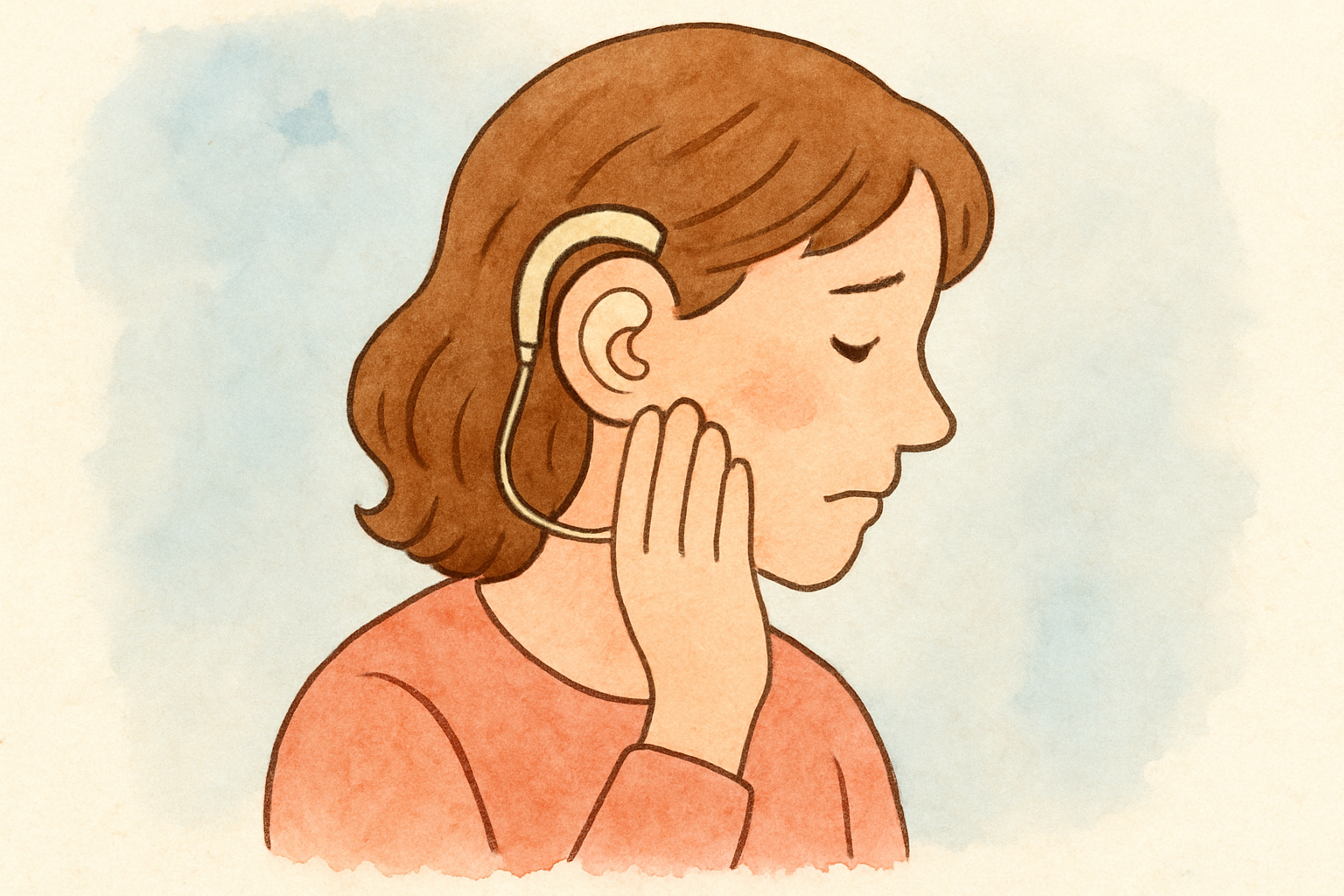
Hearing loss and tinnitus are increasingly common among workers in Northern Ireland. Over the years, there has been a significant rise in hearing loss compensation claims, particularly among people who spent their careers in industrial, manufacturing, or construction environments. Understanding the region’s industrial heritage and regulatory history helps explain why these claims remain so prevalent.


Northern Ireland’s Industrial Past


Belfast and other urban centres in Northern Ireland were once industrial powerhouses:

  • Shipbuilding: Harland and Wolff, the world’s largest shipyard, employed tens of thousands of workers at its peak.
  • Linen and Textiles: Belfast earned the nickname “Linenopolis”, with factories like York Street Mill producing linen on a global scale.
  • Engineering and Ropemaking: Additional industrial activities expanded the workforce further, creating busy, noisy workplaces.

These workplaces were physically demanding and extremely loud, with exposure to hammering, machinery, steam whistles, and heavy metal work. Workers often lacked any hearing protection, making Noise-Induced Hearing Loss (NIHL) a common occupational hazard.


Common Causes of Hearing Loss Claims


Today, many claims arise from long-term exposure to industrial noise. Typical sources include:

  • Shipyards and Factories – metalwork, machinery, engines, and production lines
  • Construction Sites – power tools, heavy machinery, demolition
  • Military Service – gunfire, explosions, combat-related noise
  • Agricultural Work – tractors, chainsaws, and farm machinery

Historically, employers failed to provide adequate hearing protection, notwithstanding the introduction of the Health and Safety at Work (Northern Ireland) Order 1978, which aimed to improve workplace safety standards. Enforcement was often limited, and many employees continued to suffer prolonged exposure to damaging noise levels, resulting in long-term hearing impairment or tinnitus.


Improved Awareness and Social Media Connections


In recent years, awareness of occupational hearing loss and the right to claim compensation has grown. Former employees are connecting through social media groups and online forums, sharing experiences and legal advice. These networks have helped many workers realise they may be entitled to hearing loss compensation, even decades after leaving industrial workplaces.


How Lacey Solicitors Can Help


At Lacey Solicitors, we specialise in hearing loss claims in Northern Ireland. Whether it was a factory in Strabane or shipyard in Belfast. Our experienced team will:

  • Assess whether you have a valid claim
  • Gather medical and workplace evidence
  • Negotiate with insurers
  • Fight for the maximum compensation you deserve

Compensation can cover:

  • Medical treatment and hearing aids
  • Loss of earnings (past and future)
  • Pain, suffering, and reduced quality of life

Claims must generally be made within a three-year time limit from when the issue was first identified, so early action is crucial.


Contact Lacey Solicitors Today


If you or a family member have experienced hearing loss due to industrial or construction work, contact Roisin Cassidy of Lacey Solicitors Belfast and Dublin for a free, confidential consultation.


Interim Payments in Personal Injury Claims – Support After a Serious Injury

When someone is seriously injured in a road traffic accident or workplace incident, they may face months – or even years – without being able to work. During this time, bills, mortgage payments and treatment costs continue to build. That’s where ‘interim payments’ come in.

At Lacey Solicitors, with offices in Belfast and Dublin, our personal injury lawyers can clients secure early part-payments of compensation to relieve financial pressure long before their case concludes.


What Is an Interim Payment?


An interim payment is an early payment of part of the compensation owed to an injured person before the final settlement or court award. It is not a loan or an advance – it is money paid directly to the plaintiff on account of damages that are certain to be awarded later.

Under Order 29 Rule 12 of the Rules of the Supreme Court (Northern Ireland) 1980, a plaintiff can apply to the court for an interim payment if liability for the accident has already been admitted, either fully or partially.

This mechanism ensures injured victims are not left struggling financially while waiting for a lengthy claims process to conclude.


A Real Case Study: Aisling Creegan’s Recent High Court Success


Lacey Solicitors recently acted on behalf of a self-employed individual who suffered life changing spinal fractures following a motorway collision outside Newry. Both defendants admitted full liability.

Our team applied to the High Court of Justice in Northern Ireland under Order 29 Rule 12 seeking two interim payments while proceedings were still ongoing. Both applications were successfully granted and our client received £300,000,00 as an interim payment while the matter was ongoing.

This allowed our client to access essential rehabilitation, private physiotherapy, and cover household expenses during recovery – without waiting years for the case to finish.


Serious Injuries and Rising Rehabilitation Costs


For clients who have suffered catastrophic or life-changing injuries, an interim payment can be absolutely vital.

Serious injuries often come with extensive and unexpected expenses – well before a case is ready for final settlement.

Examples include:

  • Amputations, where prosthetic limbs and ongoing physiotherapy can cost tens of thousands of pounds.
  • Spinal injuries, requiring specialist wheelchairs, home adaptations, and long-term care.
  • Severe burns or scarring, which may need multiple reconstructive surgeries and psychological support.
  • Brain injuries, leading to significant rehabilitation, occupational therapy, and support worker costs.

An interim payment can bridge this financial gap – allowing injured individuals to access essential private treatment and equipment immediately, instead of waiting years for compensation.

At Lacey Solicitors, our lawyers prioritise these applications in serious injury cases to ensure our clients’ recovery and dignity are protected throughout the litigation process.


Building a Strong Application: The “Cards on the Table” Approach


To strengthen an interim payment application, transparency is key. At Lacey Solicitors, we advocate for a “cards on the table” approach—serving medical evidence, expert reports, and financial documentation as early as possible.

Early disclosure of medical reports:

  • Demonstrates the seriousness of injuries.

  • Supports the claim for immediate financial relief.

  • Allows insures to seek their own medical evidence and assists in dialogue if there is a a dispute.

Because Lacey Solicitors act for both innocent victims and a number of insurers across Ireland, our team understands how each side of a personal injury claim operates. This dual perspective allows us to anticipate potential challenges, streamline communication, and promote a collaborative approach to resolving injury claims.

We believe that early openness and cooperation benefit everyone involved. By engaging constructively with insurers, sharing evidence promptly, and focusing on fairness rather than confrontation, we achieve faster and more practical outcomes for our clients.

Our proactive, balanced approach ensures that interim payment applications are well-evidenced, persuasive, and strategically presented to secure the best possible result before the High Court or County Court.


The Benefits of Interim Payments for Injured Victims


An interim payment can make a life-changing difference for someone recovering from serious injury. It provides:

  • Financial stability – covering mortgage, rent, or living expenses.
  • Access to private treatment – physiotherapy, prosthetics, counselling, or surgery.
  • Peace of mind – allowing the injured person to focus on rehabilitation rather than financial survival.

Interim payments ensure that justice is not delayed simply because the legal process takes time.


How Lacey Solicitors Can Help


If you’ve been seriously injured and liability for your accident has been admitted, you may be entitled to an interim payment under Order 29 Rule 12. Our experienced personal injury team regularly brings these applications before the High Court in Northern Ireland and achieves successful outcomes for clients across a range of accident types.

With offices in Belfast and Dublin, Lacey Solicitors combine local knowledge with national expertise in serious injury litigation. We act transparently, efficiently, and always in your best interests—ensuring you receive the financial support you need while awaiting full compensation.


Contact Lacey Solicitors – Injury Lawyers Belfast


If you would like advice about a serious accident where you have suffered catastrophic injuries and require an interim payment in a personal injury claim, contact Lacey Solicitors today.

Hearing Loss Claims in Northern Ireland – How Much Compensation Can You Claim?

Hearing loss and tinnitus can be life-changing, affecting communication, employment, balance, and mental wellbeing. In Northern Ireland, many people bring hearing loss compensation claims after suffering noise-induced hearing loss (NIHL) in unsafe working environments.

If your employer failed to protect your hearing, you may be entitled to significant compensation. This guide explains how much you could receive, based on the official Guidelines for the Assessment of General Damages in Personal Injury Cases in Northern Ireland (the “Green Book”), which courts use to assess damages.


Deafness and Tinnitus – What Do the Courts Consider?


The term “deafness” covers both total and partial hearing loss. When assessing awards, courts consider:

  1. Whether the injury amounts to a hearing impairment, disability, or handicap.
  2. Whether it developed suddenly (e.g. an accident) or gradually (e.g. industrial noise exposure).
  3. Whether the hearing loss began at an early age (affecting speech) or later in life.
  4. Whether balance has also been affected.

How Much Compensation for Hearing Loss in Northern Ireland?


Following on from our Guide to Hearing Loss Claims the actual level of compensation due to you depends on the severity of the hearing loss or tinnitus. We gave one example of a 2025 case involving hearing loss in our recent blog where the judge assessed General Damages at £30,000.00.

The Green Book guideline ranges are:

  • Total Deafness and Loss of Speech / Gross Impairment of Speech: £350,000 – £625,000
  • Total Deafness: £250,000 – £350,000
  • Total Loss of Hearing in One Ear: £50,000 – £100,000
  • Severe Hearing Loss: £60,000 – £200,000 (upper awards are for cases approaching total deafness)
  • Moderate Hearing Loss: £20,000 – £60,000
  • Mild Hearing Loss: Up to £20,000


Tinnitus Compensation


Tinnitus is often claimed alongside deafness. Courts take care to avoid double compensation, but guideline awards are:

  • Severe Tinnitus: £40,000 – £90,000
  • Moderate Tinnitus: £20,000 – £40,000
  • Mild Tinnitus: Up to £20,000

Special Damages in Hearing Loss Claims


In addition to general damages, you may be entitled to special damages for financial losses, such as:

  • Hearing aids, cochlear implants, and future medical treatment
  • Past and future loss of earnings
  • Care and assistance costs
  • Travel and rehabilitation expenses

Time Limits for Hearing Loss Claims in NI


In Northern Ireland, the general rule is that you must bring a hearing loss claim within three years of:

  • The date of negligent noise exposure, or
  • The date you first realised your hearing loss was linked to your work.

Because hearing problems often develop gradually, the three-year clock typically runs from when your condition was diagnosed or connected to workplace exposure.  For example, if you worked in a factory in Derry or Strabane and have only recently discovered that your hearing loss was linked to your work, then you may still be entitled to claim.


Why Choose Lacey Solicitors?


At Lacey Solicitors, we’ve been helping clients across the entire island of Ireland from Cork to Carnlough, and we have built a reputation for trust, results, and ethical legal practice.

With Lacey Solicitors Hearing Loss Lawyers, you benefit from:

  • Experienced personal injury solicitors with offices in Belfast and Dublin

  • 100% compensation retained

  • Clear, transparent legal costs

  • A proven track record in hearing loss claims, workplace compensation and more

  • Legal representation tailored to your financial situation

We’re here to provide access to justice — legally, ethically, and effectively.


Start Your Hearing Loss Claim Today


If you are suffering from deafness or tinnitus caused by workplace noise, you may be entitled to claim compensation ranging from £20,000 to over £600,000, depending on severity and impact.

Contact Lacey Solicitors Belfast & Dublin today to start your hearing loss claim. Roisin Cassidy, our dedicated hearing loss solicitor will guide you through the process and fight for the compensation you deserve.


Skin Injury and Psoriasis Claims in Road Traffic Accidents| Lacey Solicitors NI

When we think of road traffic accident claims, car crashes or accidents at work, we often imagine fractures, whiplash, or head injuries. However, Lacey Solicitors are seeing an increase in claims for dermatology-related injuries—those affecting the skin.  These types of claims are becoming more common and can cause serious long-term effects.

From burns and scarring to psoriasis flare-ups triggered by trauma or stress, skin conditions following a car accident can lead to significant pain, disfigurement, and psychological suffering. Understanding how these conditions are treated within the legal process is key to ensuring fair compensation.


Can You Claim for Skin Injuries After a Car Accident?


The skin can be damaged in many ways during a collision. Common dermatological issues in road traffic accident personal injury claims include:

  • Lacerations and abrasions – from broken glass, airbags, or seatbelts, often leading to permanent scarring.
  • Burns – caused by vehicle fires, airbag deployment, friction from seatbelts, or contact with hot metal and chemicals.
  • Bruising and tissue damage – which can result in long-term skin discolouration or sensitivity.
  • Scarring and disfigurement – particularly visible injuries that may impact confidence, self-esteem, and quality of life.

Even relatively minor-looking skin injuries can have lasting physical and emotional consequences.


Psoriasis and Skin Conditions Triggered by Car Accidents


A lesser-known but increasingly recognised issue in road traffic accident claims is the exacerbation or triggering of psoriasis and other chronic skin conditions.

Can a car accident cause psoriasis to flare up?

Yes. Psoriasis is an autoimmune condition that can be triggered or worsened by physical trauma or emotional stress – both common after a car accident. This phenomenon is known as the Koebner response, where new psoriasis lesions develop on previously unaffected skin following an injury or stressor.

In personal injury cases, psoriasis can appear or worsen due to:

  • Physical trauma to the skin (cuts, friction burns, or surgery).
  • Psychological stress or anxiety after the accident.
  • Medication side effects used to treat other injuries.

This can leave victims struggling with chronic pain, itching, and embarrassment, often requiring ongoing dermatological treatment.


Medical Evidence in Dermatology and Psoriasis Claims


To support a claim involving dermatological injuries or psoriasis, expert medical evidence is essential. A consultant dermatologist will typically:

  • Assess the extent and visibility of any scarring, lesions, or flare-ups.
  • Provide an opinion on causation—whether the condition was caused or exacerbated by the accident.
  • Evaluate treatment options and the likelihood of future improvement or recurrence.
  • Comment on psychological impact, as visible skin conditions often affect self-esteem and mental health.

This evidence forms a key part of calculating pain, suffering, and loss of amenity within a compensation claim.


Valuing Dermatology and Psoriasis-Related Compensation


Compensation in road traffic accident claims for dermatology issues depends on several factors:

  1. Severity and visibility of scarring or skin lesions.
  2. Impact on daily life, work, and mental wellbeing.
  3. Permanency or likelihood of recurrence (particularly with psoriasis).
  4. Treatment requirements, including creams, UV therapy, counselling, or cosmetic surgery.

Case Study: Lacey Solicitors Secure £23,000 for Taxi Driver with Psoriasis Flare-Up


A recent case handled by Lacey Solicitors that settled in 2025, highlights the importance of experienced lawyers recognising dermatological issues in personal injury claims.

Our client, a taxi driver, was involved in a low-speed road traffic collision with a bus. Thankfully, no one suffered major physical injuries.  Our client suffered minor whiplash injuries that settled quickly but mentioned to our office that he had a pre-existing history of psoriasis, which flared up significantly in the weeks following the accident.

For around two to three weeks post-accident, he suffered itchy, inflamed patches on his scalp and hips, leading to disturbed sleep and emotional strain. The stress of the ongoing claim also contributed to the psoriasis being slow to settle.

All the passengers in the vehicle were represented by another firm and settled their cases for £2,000 each. When Lacey Solicitors were appointed to represent the taxi driver, we were initially offered the same sum of £2,000.

However, our team rejected that offer immediately and instructed a consultant dermatologist to provide an expert medical opinion. The dermatologist confirmed that the accident and subsequent stress had caused a significant psoriasis flare-up and that the condition was slow to resolve due to the ongoing psychological impact.

Following intense negotiations, Lacey Solicitors settled the case for £23,000 – a result £21,000 higher than any other passenger in the vehicle.

This case demonstrates the value of specialist legal and medical input in identifying and evidencing the true impact of dermatological and stress-related injuries.


The Psychological Impact of Dermatology Injuries


Visible skin injuries often cause more than physical pain – they can also lead to depression, anxiety, and social withdrawal. This is particularly true for individuals who develop psoriasis after an accident, as the condition is often unpredictable and difficult to manage.

In these situations, it is important that solicitors seek both dermatological and psychological reports to ensure the full extent of the injury is recognised and compensated.


How Lacey Solicitors Can Help


At Lacey Solicitors, we understand how distressing it can be to live with scarring, burns, or a long-term skin condition such as psoriasis after a road traffic accident.

Our specialist personal injury solicitors in Northern Ireland will:

  • Obtain expert dermatology and psychological reports.
  • Gather photographic and witness evidence.
  • Calculate your full financial and emotional losses.
  • Negotiate with insurers to secure the maximum compensation available.

We act for clients across Belfast, Dublin, Derry, Newry, and throughout Northern Ireland.


Contact Lacey Solicitors Today


If you’ve suffered skin injuries, scarring, burns, or a psoriasis flare-up following a road traffic accident, contact Lacey Solicitors for expert legal advice.  We’ll help you obtain the compensation you deserve so you can focus on your recovery.