
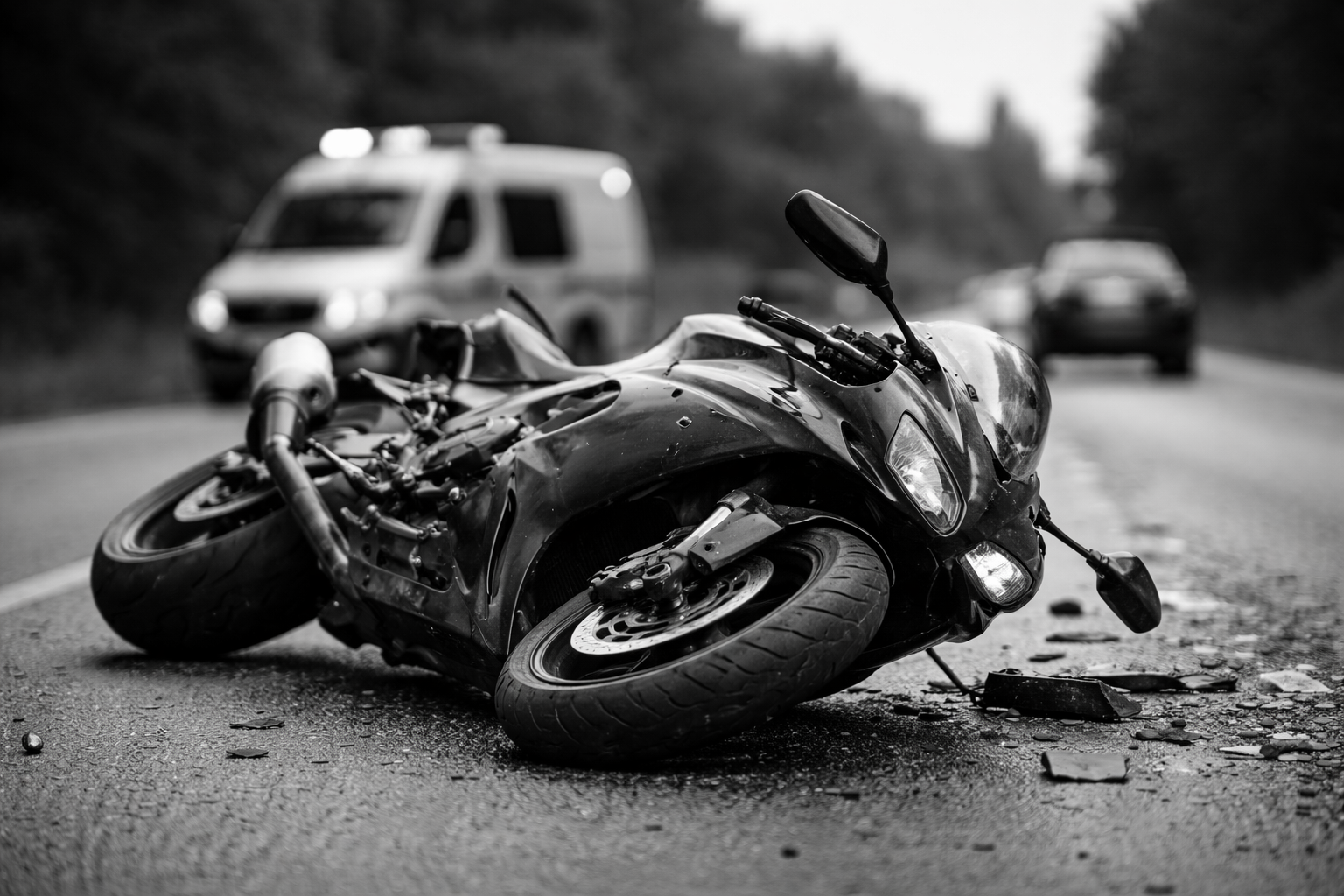
Motorcyclists across Northern Ireland understand that riding comes with a different level of exposure on the road. While bikes offer freedom, efficiency and an unmatched sense of control, they also leave riders far more vulnerable in the event of a collision. Unlike drivers in cars, motorcyclists do not have the protection of a steel frame, airbags or reinforced panels. When an accident happens, even at moderate speeds, the consequences can be serious.
From rural routes in County Down to busy commuter traffic in Belfast, motorbike accidents remain a regular feature of road traffic accidents throughout NI. Many of these collisions are not caused by reckless riding. Instead, they often stem from visibility issues, misjudged turns or drivers simply failing to anticipate a motorcycle’s presence.
Why Motorcyclists Face Greater Risk on Northern Ireland Roads
The vulnerability of motorcyclists is the most obvious risk factor. A rider’s body absorbs far more of the impact during a collision than someone seated inside a vehicle. Even with protective clothing and a helmet, the absence of structural shielding increases the likelihood of injury.
Visibility is another key issue. Motorcycles are smaller and can be harder to detect in mirrors, particularly at junctions or roundabouts. Drivers turning right across traffic frequently misjudge the speed or distance of an approaching bike. In many reported cases, the driver later explains that they simply did not see the motorcyclist.
Road surface conditions across Northern Ireland also play a role. Uneven rural roads, loose gravel, potholes and poor drainage can destabilise a motorcycle more easily than a car. During wet or icy conditions, the reduced contact area between tyre and road increases the risk of skidding.
Common Types of Motorbike Accidents in NI
Several recurring scenarios appear in motorbike accident cases across Belfast and the wider region.
Junction collisions are particularly common. A car emerging from a side road may miscalculate the motorcyclist’s approach speed. These incidents often result in side impacts, throwing the rider from the bike.
Overtaking manoeuvres on rural roads present another risk. Narrow carriageways and bends with limited visibility can lead to head on or side swipe collisions if either party misjudges timing.
Rear end impacts also occur, especially in urban stop start traffic. While a low speed rear collision between two cars may result in minor damage, the same impact against a motorcycle can unseat the rider and lead to more significant injury.
Lane filtering, although lawful when done carefully, sometimes contributes to disputes. Drivers may change lanes without checking mirrors thoroughly, leading to contact with a passing motorcycle.
Injuries Frequently Seen in Motorbike Collisions
Because riders lack physical protection, injuries can range from soft tissue damage to more serious trauma. Fractures to wrists, arms and legs are common where a rider instinctively braces during a fall. Shoulder injuries and collarbone fractures also occur frequently.
Head injuries remain a significant concern, even where helmets are worn. While helmets provide vital protection, they cannot eliminate all risk. Concussion and other head trauma may still develop, sometimes with symptoms appearing hours after the accident.
Spinal injuries and back pain are also reported regularly. The force of being thrown from a bike or landing awkwardly can strain muscles and ligaments or cause more complex injury.
Beyond physical harm, psychological effects are widely experienced. Riders often describe a loss of confidence when returning to the road. Even experienced motorcyclists may feel heightened anxiety at junctions or in heavy traffic following an accident.
The Impact of Rural Roads in NI
Northern Ireland’s rural landscape is one of the attractions of motorcycling, yet it also presents distinct hazards. Twisting country roads, variable surfaces and limited lighting can create challenging conditions, particularly during winter months.
High hedgerows and tight bends reduce forward visibility. Agricultural vehicles and livestock occasionally appear unexpectedly. When combined with higher rural speed limits, these factors increase the severity of collisions.
Weather adds another dimension. Rainfall is frequent, and standing water can collect in uneven sections of road. Strong crosswinds may also affect rider stability, particularly on exposed routes.
When Drivers Fail to Anticipate Motorcyclists
A recurring theme in many cases is driver inattention. Motorists often focus primarily on other cars and larger vehicles. A motorcycle’s smaller profile can mean it is overlooked during mirror checks or while scanning oncoming traffic.
At roundabouts and junctions in Belfast, split second decisions are made constantly. When a driver misjudges a rider’s position or speed, the margin for correction is slim. These accidents are rarely deliberate. More often, they stem from human error and a brief lapse in awareness.
Many riders take additional precautions such as wearing high visibility clothing or using daytime running lights. Even so, accidents still occur, reinforcing the inherent vulnerability of motorcyclists.
What Happens After a Motorbike Accident
Following a motorbike accident, medical attention is often required, even where injuries seem manageable at first. Adrenaline can mask pain in the immediate aftermath. Riders frequently report stiffness or discomfort developing later that day or in the days following.
Insurance investigations may involve discussions about speed, positioning and protective gear. In some cases, liability is disputed where each party provides a different account of events.
Individuals often choose to speak with professionals experienced in handling motorcycle related claims to better understand how similar situations are typically approached. Our Road Traffic Accident team regularly assist riders throughout Northern Ireland who are navigating the aftermath of a collision.
Returning to the Road
For many riders, the psychological hurdle of returning to motorcycling can be as challenging as physical recovery. Confidence may take time to rebuild. Some choose to undergo additional training or gradually reintroduce themselves to familiar routes before attempting longer journeys.
Motorcycling remains an important part of life for many people across NI. Understanding the common causes and consequences of accidents can help riders remain vigilant and informed.
If you have been involved in a motorbike accident and would like to discuss your situation, you can reach out through our contact page to speak with a member of our team. We provide clear and considered guidance for individuals dealing with road traffic accidents across Northern Ireland.