
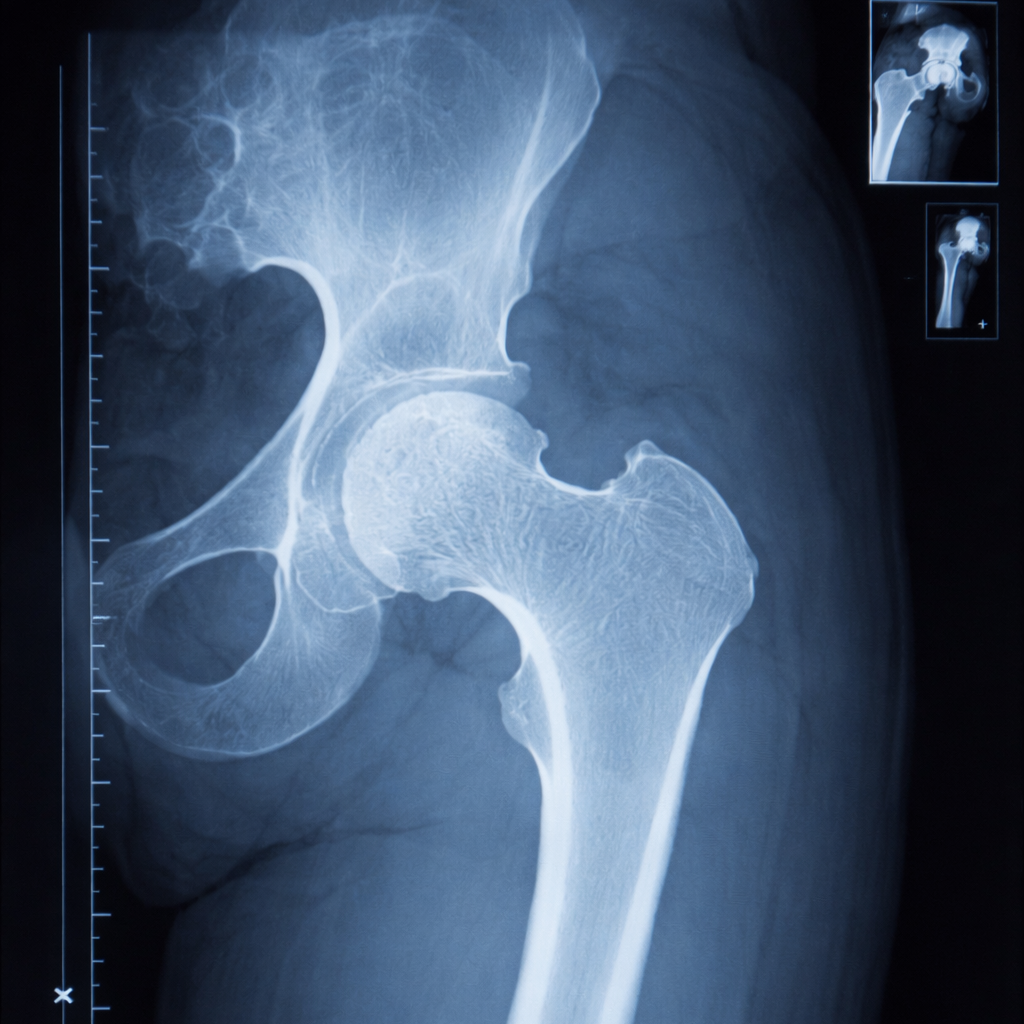
Medical Negligence in Northern Ireland: Unnecessary Surgery, Duty of Candour and Healthcare Accountability

Medical negligence claims arise where patients suffer harm because healthcare professionals fail to provide treatment that meets the standard expected of a reasonably competent practitioner. When errors occur within hospitals or healthcare systems, the law in Northern Ireland provides families with a clear route to pursue accountability and compensation.

At Lacey Solicitors, we regularly represent patients and families in complex medical negligence and healthcare claims before the courts in Northern Ireland. One such case involved the death of an elderly patient following unnecessary orthopaedic surgery carried out at the Royal Victoria Hospital in Belfast.

The case was handled by Ruaidhri Austin, who acted on behalf of the family and pursued proceedings through the High Court of Northern Ireland.


Hospital Admission Following a Fall


The patient, a woman in her nineties, was admitted to hospital following a fall and was experiencing significant pain in her hip. Within hospital healthcare settings, suspected hip fractures are treated urgently due to the risks associated with immobility in elderly patients.

Initial imaging suggested the possibility of a fracture of the neck of the femur. To clarify the diagnosis, a CT scan was arranged.

However, the CT radiology report later confirmed that there was no proximal femoral fracture present.

Despite this finding, the patient subsequently underwent surgery.


Unnecessary Orthopaedic Surgery


A consultant orthopaedic surgeon at a hospital in Belfast performed a hemiarthroplasty (partial hip replacement) procedure.

During the course of the surgery it became apparent that no fracture was present.

Once the procedure had commenced, the surgeon proceeded with the operation, citing clinical concerns about the potential complications that might arise if the surgery were halted at that stage.

Sadly, the patient later developed a post-operative pulmonary embolism and died shortly after the surgery.

This case raised serious issues of medical negligence, clinical decision-making, and patient safety within healthcare systems.


Failure to Review Radiology


Subsequent investigations revealed that the surgeon had failed to review or act upon the CT scan report confirming that there was no fracture.

This failure resulted in the patient undergoing a major orthopaedic operation that was later considered unnecessary.

The investigation identified a number of significant failings within the healthcare treatment provided:

  • failure to review the CT radiology report confirming there was no fracture
  • failure to inform colleagues or hospital management that no fracture was present during surgery
  • failure to inform the patient’s family that no fracture had been identified
  • failure to document the absence of a fracture in the operation notes
  • failure to document the clinical rationale for continuing the surgery

Such failures raise serious concerns in medical negligence and healthcare law, particularly where diagnostic imaging is not properly reviewed before major surgery takes place.


The Duty of Candour in Healthcare


Modern healthcare practice requires medical professionals to be open and transparent when errors occur however unlike Scotland and England and Wales, NI does not have a Statutory Duty of Candour in 2026.

Even the Republic of Ireland has a statutory duty of candour, primarily implemented through mandatory Open Disclosure legislation for patient safety incidents. Under the Civil Liability (Amendment) Act 2017, healthcare providers are legally required to disclose serious, notifiable patient safety incidents, apologize, and explain what happened.

The professional duty of candour requires doctors and healthcare providers to:

  • inform patients or their families when mistakes occur
  • provide clear explanations about what happened
  • ensure accurate medical records are kept
  • cooperate fully with any clinical investigation.

In Northern Ireland, the importance of openness in healthcare has been the subject of significant legal and policy reform for the past few years. Following the Inquiry into Hyponatraemia-Related Deaths, of which our office also acted for families, the Department of Health began developing proposals for a statutory Duty of Candour, which would require healthcare organisations and staff to be open and honest when unexpected harm or death occurs during treatment. The aim of the proposed framework is to ensure transparency, accountability and learning within the healthcare system so that mistakes are properly disclosed and investigated.


Professional Disciplinary Proceedings


The case was later considered by a professional medical tribunal under the Medical Act 1983, the legislation governing the regulation of doctors within the United Kingdom healthcare system.

Following a public hearing, the tribunal found that the surgeon’s conduct amounted to serious professional misconduct.

Key findings included:

  • failure to review the CT scan report
  • performance of unnecessary surgery
  • failure to disclose the absence of a fracture to colleagues and the patient’s family
  • breach of the professional duty of candour
  • dishonest concealment of the error in order to avoid investigation

The tribunal concluded that the doctor’s fitness to practise was impaired and imposed a period of suspension from the medical register.


Medical Negligence Legal Proceedings Issued by Lacey Solicitors

Lacey Solicitors, on behalf of the patient’s family, pursued a medical negligence claim for damages arising from the healthcare treatment provided.

Ruaidhri Austin, Partner, issued proceedings in the High Court of Northern Ireland on behalf of the family.

The claim was brought under two pieces of legislation frequently used in fatal medical negligence claims in Northern Ireland:

These laws allow families affected by medical negligence to pursue damages for matters such as:

  • pain and suffering experienced by our client before death
  • financial losses sustained by the family of our client
  • dependency losses suffered by family members

Admission of Liability and Settlement


Following the issue of proceedings in the High Court and the advancement of the family’s medical negligence claim, an admission of liability was ultimately secured.

The case was subsequently resolved for a significant sum, bringing the litigation to a conclusion for the family.

Healthcare professionals across Northern Ireland provide exceptional care to patients every day and the vast majority of treatment delivered within the healthcare system is of a very high standard. However, when things do go wrong, it is important that those affected are able to obtain clear answers and appropriate accountability. Medical negligence litigation can therefore play an important role in ensuring transparency, learning within healthcare systems, and maintaining public confidence in patient safety.


Medical Negligence and Healthcare Claims in Northern Ireland


Medical negligence claims frequently arise where healthcare professionals fail to meet the required standards of care.

Common examples include:

  • failure to diagnose serious medical conditions
  • failure to review scans or test results
  • surgical errors
  • lack of informed consent
  • failures in communication between healthcare providers and families

Where negligent healthcare treatment results in death, families may bring claims under Northern Ireland legislation to seek justice and financial compensation.


How a Medical Negligence Solicitor in Belfast Can Help


Medical negligence claims often involve complex issues of medicine, law and healthcare regulation. These cases require careful analysis of hospital records, expert medical evidence and clinical procedures.

At Lacey Solicitors, we have extensive experience representing patients and families in medical negligence and healthcare litigation across Northern Ireland and have prepared a useful Guide to Medical Negligence Claims.

Our solicitors regularly handle cases involving:

  • hospital negligence
  • surgical errors
  • delayed diagnosis
  • fatal medical negligence claims
  • failures in diagnostic imaging and radiology

If you believe negligent healthcare treatment has affected you or a loved one, our team can provide clear and confidential legal advice.
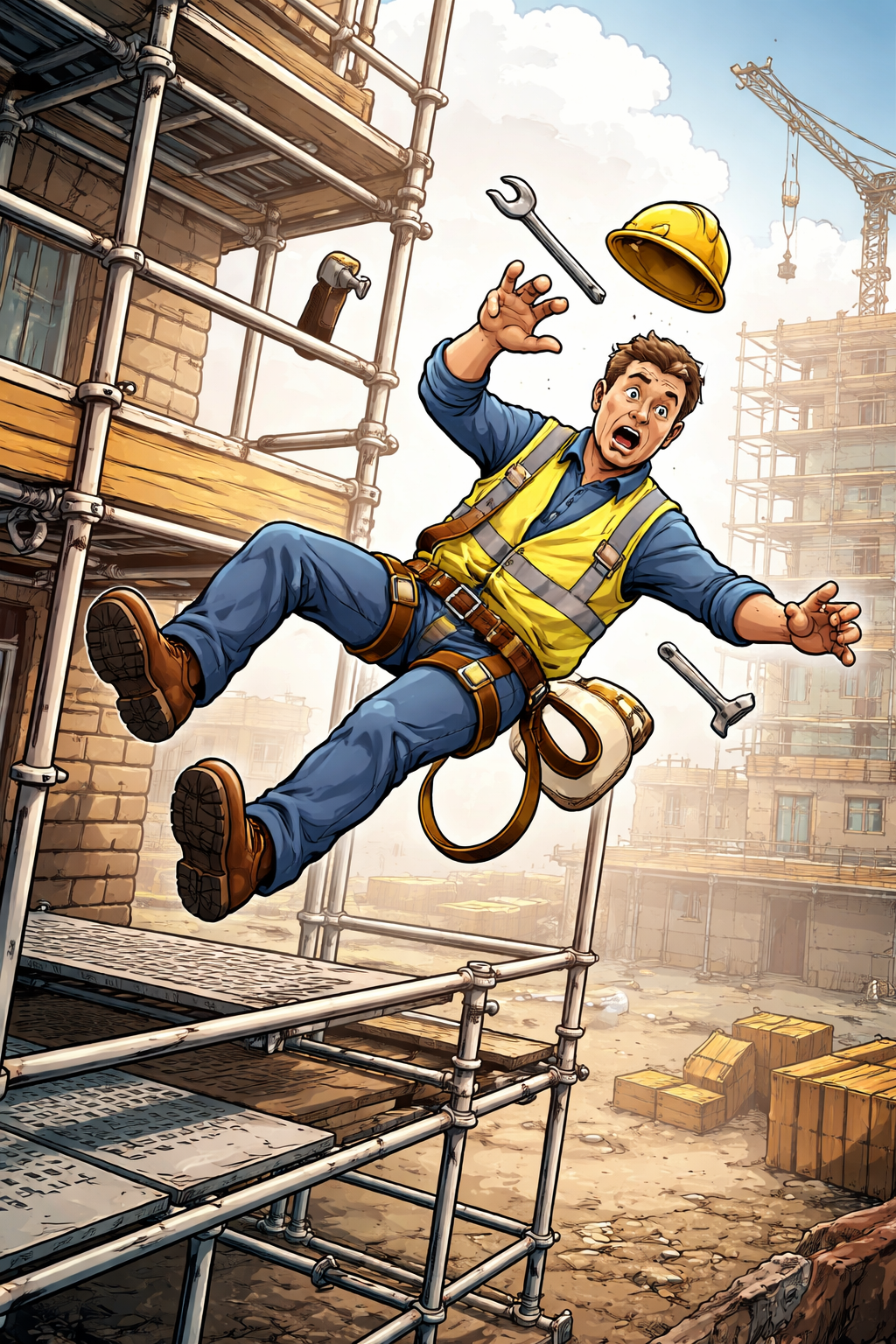

Accidents at Work in Northern Ireland: Falls from Height and Employer Liability


Falls from height remain one of the most serious causes of workplace injury in Northern Ireland. Employees working in construction, agriculture, manufacturing, maintenance and industrial environments are frequently required to work at height using ladders, scaffolding, roofs or elevated platforms.

Where appropriate safety systems are not properly implemented, the consequences can be severe and sometimes life-changing.

Under Northern Ireland law, employers have important duties to protect workers who carry out tasks at height. Where those duties are breached and a worker suffers injury, the circumstances may give rise to a workplace accident claim.

This article explains:

  • The legal framework governing working at height in Northern Ireland
  • The most common causes of fall-from-height accidents
  • The types of injuries that can arise
  • When an employer may be legally liable

What Is a Working at Height Accident?


A working at height accident occurs when a worker falls from a ladder, scaffolding, roof, platform or other elevated surface while carrying out their job. These accidents are one of the leading causes of serious workplace injuries in Northern Ireland and often arise where appropriate safety equipment, supervision or risk assessments were not in place.


Workplace Accident Statistics in Northern Ireland


Workplace accident statistics highlight the seriousness of working at height risks.

Figures published by the Health and Safety Executive for Northern Ireland (HSENI) indicate that:

  • There were 19 workplace fatalities in Northern Ireland in 2021–2022
  • The number fell to 10 fatalities in 2022–2023
  • The majority of deaths occur in agriculture, construction and manufacturing

Falls from height remain one of the leading causes of fatal workplace accidents across these industries.

In the construction sector in particular, regulators consistently warn that working at height continues to present a high level of risk if appropriate safety precautions are not taken.

These figures demonstrate why employers must take working at height safety extremely seriously.


The Legal Framework for Working at Height in Northern Ireland


Employers in Northern Ireland owe a statutory duty to ensure the health and safety of their employees.

The primary legislation governing workplace safety is the:

Health and Safety at Work (Northern Ireland) Order 1978

This legislation requires employers to ensure, so far as reasonably practicable, the health, safety and welfare of employees while at work.

More specific duties relating to working at height are contained in the:

Work at Height Regulations (Northern Ireland) 2005

Under these regulations, employers must ensure that work at height is:

  • Properly planned and organised
  • Appropriately supervised
  • Carried out by competent workers
  • Supported by suitable and properly maintained equipment
  • Subject to a suitable and sufficient risk assessment

Employers are also required to follow a recognised hierarchy of safety measures, including:

  1. Avoiding work at height where possible
  2. Preventing falls through collective protection (such as guardrails or scaffolding)
  3. Minimising consequences using fall-arrest systems or personal protective equipment

What Counts as Working at Height?


Many people assume that working at height only refers to high-rise construction work. In reality, the legal definition is much broader.

A person is considered to be working at height if they are working in any place where a fall could cause personal injury.

Examples include:

  • Working on scaffolding
  • Using ladders or step ladders
  • Carrying out roof repairs
  • Working on mezzanine floors or raised platforms
  • Using cherry pickers or scissor lifts
  • Working near unprotected edges

Importantly, even relatively low falls can cause serious injuries.


Common Causes of Falls from Height at Work


Many workplace accidents involving falls from height occur because basic safety procedures have not been followed.

Common causes include:

  • Unsafe or defective ladders
  • Poorly erected scaffolding
  • Lack of guardrails or edge protection
  • Failure to provide safety harnesses or fall-arrest systems
  • Inadequate training or supervision
  • Failure to carry out appropriate risk assessments
  • Slippery or unstable working surfaces

In many accident investigations it becomes clear that the accident could have been prevented if appropriate safety systems had been implemented.


Serious Injuries Caused by Falls from Height


Falls from height frequently result in serious injuries due to the forces involved in the fall.

Common injuries include:

  • Traumatic brain injuries
  • Spinal cord injuries
  • Pelvic fractures
  • Complex limb fractures
  • Internal organ damage

These injuries often require long-term treatment, rehabilitation and ongoing medical support.  Our office recent deal with a case involving a construction worker who fell from a scaffolding and suffered complex injuries.

In more serious cases, a worker may be unable to return to their previous employment.


When Is an Employer Liable for a Workplace Accident?


Employers may be legally liable for a workplace accident if they have failed to take reasonable steps to protect employees from foreseeable risks.

Examples may include:

  • Failure to provide safe access equipment
  • Failure to install guardrails or edge protection
  • Poor maintenance of scaffolding or ladders
  • Failure to carry out appropriate risk assessments
  • Lack of training or supervision

Where an employer breaches health and safety duties and an injury results, this may form the basis of a claim for workplace injury compensation.


Bringing a Fall from Height Compensation Claim


If you have been injured in a workplace accident in Northern Ireland, you may be entitled to pursue a compensation claim.

Compensation may include damages for:

  • Pain and suffering
  • Loss of earnings
  • Future loss of income
  • Medical treatment
  • Rehabilitation costs
  • Care and assistance needs

Serious accident at work claims often require detailed medical evidence together with expert analysis of future financial losses.

For this reason, it is important to obtain advice from solicitors experienced in workplace injury litigation.


Frequently Asked Questions


How long do I have to bring an accident at work claim in Northern Ireland?

In most cases, a person has three years from the date of the accident to issue court proceedings for personal injury.

Can I claim compensation if I fell from a ladder at work?

Possibly. If the accident occurred because of unsafe equipment, lack of training, or inadequate safety procedures, there may be grounds for a claim.

What if I was partly responsible for the accident?

Even where a worker may have contributed to the accident, compensation may still be recoverable, although the award may be reduced to reflect contributory negligence.


Conclusion


Working at height remains one of the most dangerous activities carried out in workplaces across Northern Ireland.

Despite clear legal duties designed to protect workers, falls from height continue to cause serious injuries and fatalities each year.

Where safety procedures are ignored or inadequate, the consequences can be devastating for workers and their families.

Anyone injured in a workplace accident should consider obtaining legal advice in order to understand their rights and whether compensation may be available.


Low Speed Car Accidents in Northern Ireland: Can You Still Be Injured?


Car park accidents and other low speed collisions are often dismissed as minor incidents. Vehicles may be travelling slowly, damage may appear limited to a dented bumper or scratched door, and drivers frequently exchange details before continuing with their day.

However, across Belfast and the wider region of Northern Ireland, low speed impacts regularly result in genuine physical injury. Many individuals involved in these collisions initially assume the incident was insignificant, only to develop pain and stiffness later that day or in the days that follow.

Understanding how injuries can arise in low speed accidents – and the arguments often raised by insurers – can help individuals better understand their position following a collision.


Why Low Speed Does Not Mean Low Impact


The term low speed can be misleading. Even a vehicle travelling at 10 to 15 miles per hour generates significant force when it stops abruptly or strikes another vehicle.

In environments such as supermarket car parks, retail parks or multi storey parking facilities, drivers are frequently manoeuvring into tight spaces, reversing or turning sharply. Collisions often occur unexpectedly when a driver is not fully braced for impact.

Unlike motorway driving where attention is largely directed forward, car parks require constant awareness of vehicles approaching from multiple directions, pedestrians walking between cars and shopping trolleys moving unpredictably.

When a collision occurs in these circumstances, the sudden jolt can cause rapid movement of the head, neck and torso. This movement can place strain on muscles and ligaments even where the visible vehicle damage appears minimal.

Rear end bumps are particularly common in car parks. A driver may reverse without noticing another vehicle behind them, or may roll forward unexpectedly while distracted. The occupants of a stationary vehicle can experience sudden forward and backward motion similar to that seen in higher speed rear end collisions.


Can You Get Whiplash at Low Speed?


It is accepted that a range of injuries may arise following low speed impacts.

Whiplash injuries are among the most frequently reported. The neck contains delicate muscles and ligaments which can be strained when the head moves suddenly backwards and forwards. Symptoms often include stiffness, headaches and reduced range of movement.

Lower back discomfort is also common. When a stationary vehicle is struck, the spine may absorb a compressive force which can lead to muscle spasm or ongoing soreness.

Shoulder injuries may occur where the seatbelt tightens abruptly during the collision. Some individuals also report headaches or mild concussion symptoms where the head moves suddenly even if it does not strike any surface.

In many cases symptoms do not develop immediately. Adrenaline released during the accident can mask discomfort, with stiffness and pain developing later that evening or the following morning.


Why Car Park Accidents Are So Common in Belfast


Busy retail parks and city centre parking facilities in Belfast experience heavy traffic throughout the week. At peak times – particularly weekends and holiday periods – congestion can increase significantly.

Drivers may feel pressure to secure a parking space quickly, leading to rushed manoeuvres or reduced attention to surrounding vehicles.

Multi storey car parks present additional challenges. Tight corners, structural pillars and sloped ramps can limit visibility and reduce reaction time. In winter months poor lighting combined with wet surfaces can further increase risk.

Distraction also plays a role. Drivers may focus primarily on finding a space rather than monitoring surrounding traffic. Mobile phones, navigation systems and in car conversations can all reduce situational awareness.

Poor road conditions may also contribute to unexpected manoeuvres. Drivers entering or leaving car parks sometimes swerve to avoid potholes or uneven road surfaces, increasing the likelihood of minor collisions. Concerns about deteriorating road conditions in Northern Ireland have been widely reported in recent years, including coverage by the BBC highlighting the scale of the pothole problem across the region.


How Insurers in NI May Approach Low Speed Collision Claims


Where injury claims arise from low speed collisions, the circumstances of the accident are often examined carefully by insurers and their legal representatives. While genuine injuries can and do occur in low speed impacts, it is also recognised within the legal system that some claims may be exaggerated or unsupported by the surrounding evidence.

At Lacey Solicitors, we are known as road traffic accident specialists and act in a range of personal injury matters.  Our work may involve representing either injured individual or insurers depending on the circumstances of the case. Where we are instructed by insurers and their policyholder describes an accident occurring at relatively low speeds, it is common for the claim to be scrutinised more closely to ensure that the evidence supports the injury being alleged.

We previously wrote about Defending Low Velocity Claims.

In such situations, any defence lawyer will consider what is sometimes referred to as a causation defence. This involves examining the mechanics of the collision and assessing whether the circumstances described are capable of causing the injury being claimed.

Courts have acknowledged that exaggerated or fabricated claims can occur. Judges will often accept, that the problem of exaggerated whiplash claims is well recognised and that courts may approach such claims with an appropriate degree of caution.

When claims arise in low speed scenarios, insurers and their legal advisers may examine factors such as:

  • The estimated speed and force of the impact
  • The extent of visible vehicle damage
  • The likely movement of the occupants during the collision
  • Whether that movement could realistically result in the injuries alleged
  • The duration and progression of symptoms being reported
  • The Plaintiff’s medical history and overall credibility

In addition, attention may be given to what steps were taken following the accident. For example, insurers may consider whether medical treatment was sought promptly or whether there is any previous accident history which may be relevant.

From both the plaintiff and insurer perspective, the key issue ultimately remains the same: whether the available evidence demonstrates, on the balance of probabilities, that the accident caused the injury being claimed.


Why Minimal Vehicle Damage Does Not Mean No Injury


Although insurers often raise these arguments, vehicle damage and human injury do not always correlate directly.

Modern vehicles are designed to absorb and disperse energy during collisions. Components such as bumpers and crumple zones can reduce visible structural damage while still transmitting force through the vehicle.

The human body, particularly the neck and spine, may still experience sudden movement even where the car itself appears largely undamaged.

Medical professionals regularly confirm that soft tissue injuries can arise without dramatic vehicle damage. The severity of injury can also depend on factors such as seating position, headrest alignment, seatbelt tension and whether the occupant anticipated the collision.

Every accident is different. What appears to be a minor impact in mechanical terms can still result in genuine physical injury.


The Importance of Medical Evidence


In any personal injury claim the burden of proof rests with the Plaintiff.

Courts will usually expect credible medical evidence together with a consistent and reliable account of how the accident occurred and how symptoms developed.

Where an individual provides a clear history supported by medical assessment, genuine injuries arising from low speed collisions are regularly recognised.

Conversely, where evidence is inconsistent or unsupported, claims may fail. This is why seeking medical attention after a collision and obtaining proper legal advice can be important.


Taking Low Speed Accidents Seriously


Car park collisions and other low speed accidents may appear routine, but they can still have real consequences.

Recognising that injury is possible even in modest impact scenarios helps individuals respond appropriately and seek reassurance where necessary.

If you have been involved in a low speed car accident and are unsure about your position, the personal injury solicitors at Lacey Solicitors have experience assisting clients across Northern Ireland in understanding their options following road traffic accidents.