Contributory Negligence in Ireland: How It Affects Personal Injury Claims

Contributory negligence is a fundamental principle in Irish tort law.  Those at the coal face of insurance defence litigation in Ireland will know that it is frequently relied upon in defending personal injury claims.

Contributory negligence is alleged when a claimant is believed to have contributed to their own injury or loss by acting negligently. For insurers and risk managers, understanding this concept is critical to managing liability and ensuring that compensation awards are fair and proportionate.

At Lacey Solicitors, our insurance defence team in Dublin and Belfast provides expert guidance on contributory negligence, helping insurers assess claims, minimise risk, and defend litigation effectively in dealing with claims where the claimant is the ‘author of their own misfortune.


What is Contributory Negligence?


Contributory negligence applies where a claimant’s own actions – or occasionally failures to act – contributed to the harm they suffered. In personal injury claims, this principle can reduce the amount of damages awarded.

For example:

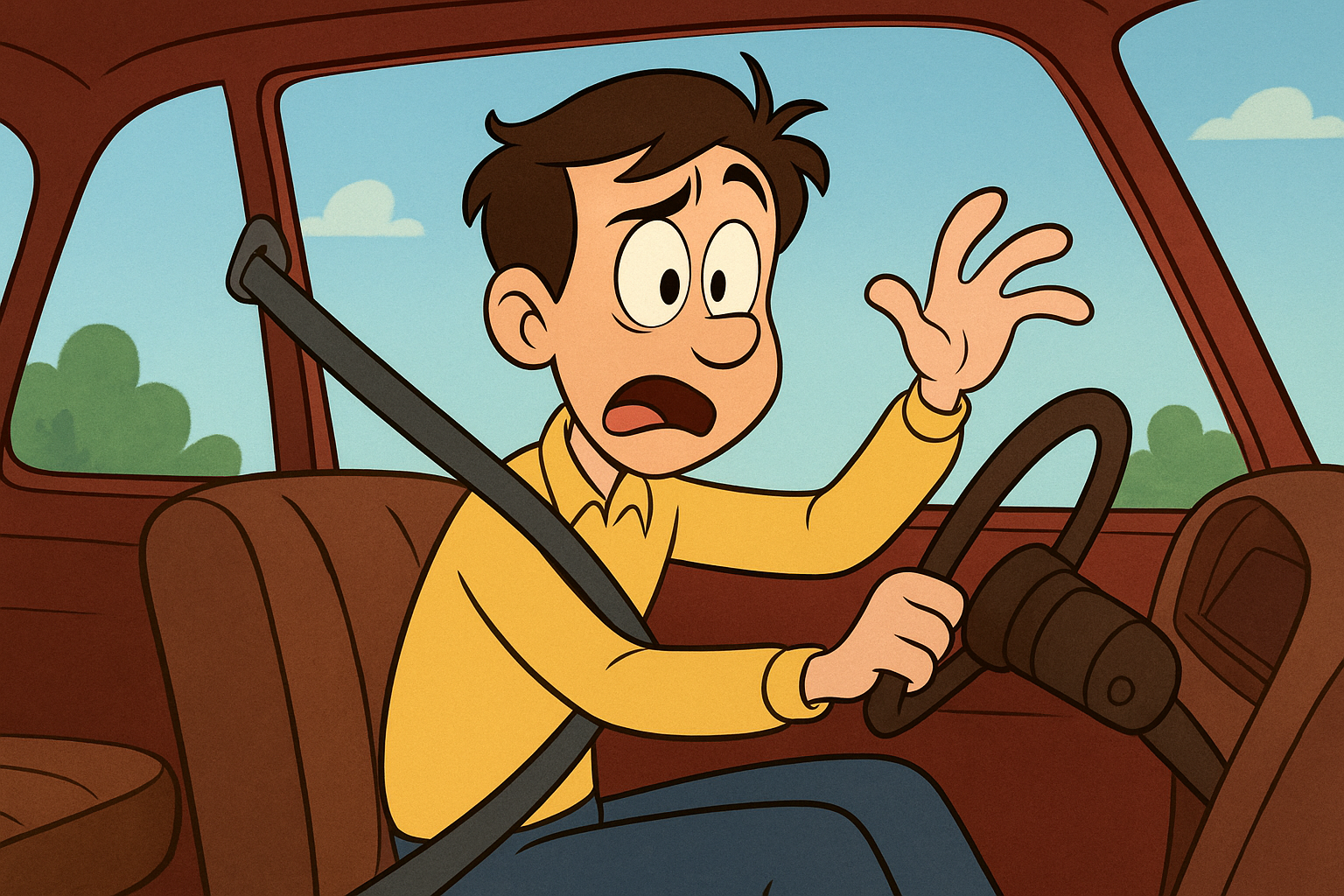
  • A driver injured in a road traffic accident while not wearing a seatbelt may see their compensation reduced proportionally.

  • A cyclist failing to stop at a red light who collides with a car may share liability for the accident.

  • An employee injured at work for failing to use provided safety equipment or follow protocols may bear some responsibility.

  • A shopper who slips over a spillage that was clearly marked and cordoned off may have their claim reduced.

Contributory negligence is a principle of fairness and proportionality that apportions liability, reflecting the actions of all parties involved.


Legal Basis for Contributory Negligence in Ireland


In Ireland, contributory negligence is provided for under Section 34 of the Civil Liability Act 1961. It is a partial defence, meaning that even if a claimant is partly at fault, they may still recover damages – but these are reduced according to their share of responsibility.

The court applies a two-step approach:

  1. Determine whether the defendant was negligent.

  2. If negligence is established, assess whether the claimant contributed to their own harm and by what percentage.

Put simply, if a claimant is 25% responsible for their injuries, they will recover 75% of the damages awarded. This proportional approach is central to defending claims and ensuring equitable outcomes.


Contributory Negligence from Multiple Parties


In complex cases, liability may be shared among multiple parties. For example, a hearing loss claim could involve several employers each breaching safety regulations. In such scenarios, the court allocates responsibility on a percentage basis, with each party accountable for their share of the damages and contributing the appropriate percentage of any final award.

Accurately assessing multi-party liability is crucial for insurers and defence teams to minimise exposure and ensure that settlements are fair and justified.


Contributory Negligence in Irish Case Law


Several Irish cases have shaped how contributory negligence is applied.  Our office has previously blogged on Fanning v Myerscough & Anor.

  • O’Connell v. Jackson: Confirmed that a claimant’s negligence reduces, but does not bar, recovery of damages.

  • McGrath v. Trintech Group Plc: Reinforced that contributory negligence is proportional, even when the defendant’s negligence is more serious.

These precedents highlight that contributory negligence is fact-specific and requires careful analysis of all parties’ conduct.


Comparison to Contributory Negligence in Northern Ireland


In Northern Ireland, contributory negligence is governed by the Law Reform (Contributory Negligence) Act 1945. Similar to Irish law, it allows the court to apportion liability between the parties involved.

Before either NI or ROI act was passed, the common law doctrine of contributory negligence was a complete bar to recovery. This meant that if a claimant was found to be even slightly at fault for their own injury, they could not recover any damages at all. 
The core reform introduced by both the 1945 and 1961 Acts was the move away from this all-or-nothing approach towards a system of comparative negligence, where courts apportion damages based on each party’s degree of fault.

Author of Their Own Misfortune


For insurers, contributory negligence and the allegation that the Claimant was the author of their own misfortune is key tool to:

  • Evaluate claims accurately

  • Reduce exposure in personal injury settlements

  • Defend litigation effectively by highlighting the claimant’s role in the incident

  • Ensure fair settlements that reflect actual responsibility

Common examples seen day to day by insurance professionals include:

  • Failure to wear a seatbelt in road traffic accidents

  • Inadequate stopping distances or inappropriate speed in multi-vehicle collisions

  • Non-compliance with workplace safety procedures

  • Ignoring obvious hazards in public liability claims


Criticisms of Contributory Negligence


While widely recognised, contributory negligence is not without criticisms:

  • Minor claimant negligence may disproportionately reduce compensation.  For example take a pedestrian hit by a speeding car, who is deemed to be 10% at fault for not using a pedestrian crossing.   Their award has been reduced by 10%, notwithstanding the defendant’s primary responsibility.

  • Determining the degree of fault is entirely subjective, which can and does lead to inconsistent awards.  Even the degree of a percentage blame can vary widely depending on judicial interpretation.  This makes negotiations difficult and can increase litigation costs where parties may avoid ‘coming to the table’ until they know the identity of the trial judge.

Nonetheless, when applied correctly, it remains a fair and effective tool for insurers defending claims.


How Lacey Solicitors Supports Insurance Clients in Ireland


At Lacey Solicitors, our Dublin and Belfast insurance defence team provides comprehensive support at the intial advice stage.  On consideration of the insurers file of papers, we will;

  • Assess contributory negligence and multi-party liability

  • Advise insurers on potential liability reductions

  • Developing tailored defence strategies such as Tenders or Lodgments to reflect any contributory negligence

  • Represent insurers in negotiations and litigation

Our experience and reputation ensures that insurers can defend claims effectively while managing risk and controlling costs.


Contact Us to Discuss a Case Involving Contributory Negligence


For expert advice on contributory negligence or defending personal injury claims in Ireland, contact Lacey Solicitors’ Insurance Lawyers using our secure online portal.
Assessing Compensation Uplifts for Multiple Injuries Under the Personal Injuries Guidelines

The assessment of general damages in personal injury claims is often complex, particularly when a Claimant sustains multiple injuries. The introduction of the Personal Injuries Guidelines (PIGs) in 2021 replaced the Book of Quantum and provided a standard reference for awards in Ireland.  Challenges remain however in ensuring that compensation is fair, proportionate, and reflective of all injuries, especially when assessing the uplift for multiple injuries under the Personal Injuries Guidelines or where such injuries overlap.

As outlined in McHugh v Ferol:

“The guidelines do not provide advice as to the process a court should undertake when assessing the ‘uplift’ to ensure that the Claimant is fairly and justly compensated for all the additional pain, discomfort and limitations arising from their lesser injury/injuries.”

This article seeks to provide a detailed, practice-oriented guide to the calculation of the “uplift,” that is, the additional compensation applied to a dominant injury to account for lesser, secondary injuries.

The links at the end of the article will also assist as a quick reference guide for the various cases.


Proportionality in Assessing Multiple Injuries Using the Personal Injuries Guidelines


The Personal Injuries Guidelines provide bands of general damages for specific physical and psychological injuries, offering a reference point for courts in making awards and solicitors and insurers when negotiating settlements.

The Guidelines give immensely helpful award ranges for individual injuries, but things become more complicated when an injured Claimant has several injuries. In those cases, adding the awards for each site of injury together rarely works and often leads to an inflated award, especially where the injuries overlap.

This would be unfair to the Defendant and disproportionate when compared with other awards.  The Guidelines make it clear that above all else, the key principle in assessing multiple injuries is one of proportionality.  It requires a holistic assessment of the overall impact, usually achieved by applying a global discount to reflect overlapping effects.

In Meehan v Shawcove the Court of Appeal made clear that any award must be proportionate to the maximum award in the most serious cases; that is €500,000, and it must also be proportionate in the context of other awards.

The approach, according to the Guidelines, is to;

“identify the injury and the bracket of damages within the Guidelines that best resembles the most significant of the Claimant’s injuries. The trial judge should then value that injury and thereafter uplift the value to ensure that the Claimant is fairly and justly compensated for all of the additional pain, discomfort and limitations arising from their lesser injury/injuries.”


Identifying the Dominant Injury


Case law consistently confirms that in any case the most significant of the Claimant’s injuries, known as the ‘dominant injury‘ is the starting point for damages assessment in multiple injury cases.

  • Collins v Parm [2024] IECA 150 – A psychiatric injury was identified as dominant.
  • Dean Keogh v Maria Byrne [2024] IEHC 19 – Coffey J. assessed the “severely displaced and angulated fracture to the shaft of the radius and ulna” as the dominant injury and classified this as being at the lower end of the second tier of the severe category. He assigned to this injury a value of €55,000 (he included in this assessment the permanence of substantial cosmetic disfigurement of the forearm by unsightly scars and a very noticeable soft tissue mass).

Assessing Secondary Injuries and a Reality Check


In a case involving multiple injuries the Court should, having first assessed the dominant injury, then look at the other injuries.

Each injury should be categorised according to the relevant Guideline bracket and thereafter a gross award should be calculated.

Once a gross award is calculated an overlap discount and reduction in value should be applied to the secondary injuries.

Finally a ‘step back and ‘reality check‘ is needed to assess proportionality to ensure that the overall award for general damages is fair and reasonable to all parties and how the overall award fares when compared with other categories in the guidelines.


Lacey Solicitors Six-Step Assessment of the ‘Uplift’


Whilst various decisions can assist, courts in Ireland recognise that, although there are different ways to adjust awards, the specific method is less important than ensuring the final sum fairly reflects the total impact of multiple injuries.

Whilst a simple two stage process has been referenced in the past, the more structured six step process below has its benefits. The following approach illustrates how solicitors and insurers can apply a structured method for multiple injuries:

Step 1: Identify & Assess the Dominant Injury

  • Determine the most significant injury and assign a value from the Guidelines is the first step in Assessing the uplift for multiple injuries under the Personal Injuries Guidelines.
  • Consider both physical and psychological effects.
  • Factor in any risk of future complications, distinguishing risk from probability.

Example: In Dean Keogh, the right forearm injury was valued at €55,000, reflecting functional impairment and potential future complications.

Step 2: Identify & Apply Guideline Values to Secondary Injuries

  • Assign each lesser injury a Guidelines bracket value.
  • Include all sites of injuries such as scarring, soft tissue injuries, minor psychological injuries, or other residual effects.

Example: In Collins v Parm, back and neck injuries were €15,000, dental injury €5,000, tinnitus €3,000, minor scarring €5,000.

Step 3: Apply a Discount for Overlap

  • Recognise that injuries from the same incident often overlap in pain, treatment, and recovery.
  • Courts generally apply a 25% to 33% discount, adjusted according to the degree of overlap.
  • This ensures the uplift is proportionate and avoids over-compensation.
  • Where there is no apparent “most significant” injury, the court in Collins v. Parm [2024] IECA 150 advised that a lower level of discount will apply than would be applied to the aggregated “lesser injuries” in cases where there is an apparent “most significant” injury.

Example: In Dean Keogh, secondary injuries totaling €45,000 were discounted by €15,000, resulting in a net uplift of €30,000.

Step 4: Calculate the Total Uplift for Secondary Injuries

  • Total up the secondary injuries after they have been discounted.

Step 5: Calculate the Total Figure for both Dominant & Secondary Injuries

  • Add the gross value for secondary injuries after discount to the initial dominant injury value.

Step 6: Conduct a “Reality Check”

  • Review the total award against Guideline maxima and comparable cases when Assessing Uplift for Multiple Injuries under the Personal Injuries Guidelines.
  • Ensure the sum is justifiable and consistent with awards for similarly severe injuries.
  • Make further adjustments if anomalies appear.

Example: In Collins v. Parm  in valuing the Claimant’s dominant injury at €35,000, the Court of Appeal then combined the value of Claimant’s lesser injuries at €30,000, before applying a one third deduction to that figure in view of the temporal overlap. The Court of Appeal therefore totalled the Claimant’s award for general damages at €55,000, reducing the High Court award for general damages by 42%, prior to making a further undisputed discount of 15% for contributory negligence.


Practical Example of How the ‘Uplift’ Might be Calculated


Injury Type Dominant / Secondary Guideline Value (€) Discount Applied Net Value (€)
Moderate Psychiatric Injury Dominant 35,000 N/A 35,000
Back & Neck Injuries Secondary 15,000 33% 10,000
Dental Injury Secondary 5,000 33% 3,350
Tinnitus Secondary 3,000 33% 2,000
Minor Scarring Secondary 5,000 33% 3,350
Total Uplift (Secondary Injuries) 18,700
Total General Damages 53,700
Reality check (proportion & comparators) See note below

Reality-check in Assessing Uplift for Multiple Injuries under the Personal Injuries Guidelines (brief)


  • A ‘reality check’ of the kind already mentioned, might be looking at some injuries that, under the Guidelines, attract an award at this level to ensure proportionalty.  This was explored in Zaganczyk v John Pettit Wexford Unlimited Company & Anor.

Comparison of the Uplift in Recent Multiple Injury Cases


Case Dominant Injury Dominant Injury Award Secondary / Non-Dominant Injuries Uplift Uplift % Total General Damages
Lipinski v Whelan [2022] Moderate PTSD €35,000 Scarring €25,000 c. 70% €60,000
Rocha Wrist €40,000 Clavicle, scarring, psychological €35,000 c. 87% €75,000
McDonnell Rotator Cuff €55,000 Psychological €20,000 c. 36% €75,000
Broderick Ankle Fracture €65,000 Psychiatric €30,000 c. 46% €95,000
McHugh v Ferol [2023] IEHC 132 Serious Foot €60,000 PTSD, neck, back, hips €32,500 c. 54% €92,500
Power v Malone [2023] Facial Scarring €60,000 Bruising & minor abrasion to left shin €30,000 €90,000
Zaganczyk v John Pettit [2023] IECA 223 Moderate PTSD €35,000 Scarring €25,000 c. 71% €60,000
Keogh v Byrne [2024] IEHC 19 Left Forearm €55,000 Hip & back injuries €30,000 €85,000
Coughlan v CGR Construction Ltd [2024] IECA 78 Rotator Cuff €75,000 Headaches €30,000 c. 40% €105,000
O’Sullivan v Ryan [2024] IEHC 326 Leg Injury €70,000 Chest, back, PTSD €53,500 €123,500
Collins v Parm [2024] IECA 150 Moderate PTSD €35,000 Soft tissue injury to left wrist €20,000 €55,000
Crum v MIBI [2023] IEHC 656 Wrist Fracture €45,000 Scar, soft tissue, psychological €21,000 c. 47% €66,000

Observation: Uplift may exceed the value of the dominant injury as outlined in our previous article only in exceptional cases, but courts always test awards against proportionality.


Lacey Solicitors Guidance to Insurers Assessing Uplift for Multiple Injuries under the Personal Injuries Guidelines


When assessing personal injury awards, practitioners should be cautious about adjusting the final figure based on proposed or unenacted amendments to the Personal Injuries Guidelines. As confirmed in Somers v The Commissioner of An Garda Síochána & Ors [2025] IEHC, proposed changes—including the previously inflation led increase of 16.7% – cannot be applied without formal legislative enactment.

Additionally, it remains essential to assess secondary injuries with appropriate discounts for overlap and to step back to review the overall award for proportionality. In Somers, after applying a one-third discount to non-dominant injuries, the Court confirmed that the resulting total award was fair and reasonable, highlighting that the final figure should only be amended where justified by evidence and proportionality principles, not by theoretical or unapproved adjustments.

Zaganczyk v John Pettit Wexford Unlimited Company highlighted the importance of comparing the total award against the values of individual injury categories outlined in the Personal Injuries Guidelines. Where the overall award surpasses that of a more severe injury, this serves as a “reality check”, prompting a reassessment to ensure the final figure remains proportionate.


Conclusions and Case Law [Updated September 2025]


Following the above step-by-step guide with reference to relevant cases should assist practitioners and insurers in arriving at awards that are fair, defensible, and aligned with current practice but as always, reference should be made to the existing case law on the subject.


The Shocking Truth About Pedestrian Accidents in Northern Irish Roads

Road traffic accidents happen every day across Northern Ireland, but pedestrians are often the most vulnerable victims. Unlike drivers or passengers, pedestrians lack the protection of a vehicle, leaving them at high risk of serious injuries such as fractures, back injuries, spinal cord damage, or even brain injuries.

At Lacey Solicitors, leading car crash lawyers in Belfast, we routinely handle pedestrian injury claims and have successfully secured compensation for many victims. Ruaidhrí Austin, Partner, recently secured the sum of £100,000.00 for a Pedstrian who was in an accident when he was crossing the road.  However, the statistics around pedestrian accidents in Northern Ireland remain alarming.


Pedestrian Accident Statistics in Northern Ireland


According to the PSNI, there were 4,753 car crashes in NI in 2024 resulting in 1,008 people killed or seriously injured (KSI). While drivers and passengers account for most fatalities, pedestrians consistently rank as one of the most affected groups. Those travelling on foot representing 14.9% of all KSI collisions. December is statistically the most dangerous month for pedestrians.

Although overall road traffic accidents have decreased by 22% since 2015/2016, pedestrians continue to face disproportionate risks.


Why Pedestrians Are at Disproportionate Risk


Pedestrian accident data recorded between 2019 and 2023 by the Department of Infrastructure show that pedestrians are disproportionately represented in the KSI statistics.

While pedestrians represented 14.9% of all fatalities in car accidents in NI in 2024, that percentage became 20% when taken over a five year period. The figure is disproportionate because those same statistics mention that pedestrians represent only 6% of all road miles travelled in the region.

This stark contrast shows that even though pedestrians spend far less time on the roads than drivers, their risk of serious injury or death is significantly higher. Simply walking home at night can put someone at risk of life-changing injuries – underscoring the critical need for pedestrian safety awareness.


What to do if you are hit by a car?


If you are involved in a pedestrian car accident:

  1. Ensure your safety – move to a secure location if possible.
  2. Seek immediate medical attention, even if injuries seem minor at first.
  3. Contact the police to report the incident.
  4. Consult a specialist car accident solicitor who can guide you through a compensation claim.

Pedestrian accidents can leave victims temporarily or permanently incapacitated. Legal advice from an experienced RTA solicitor ensures you understand your rights and helps you pursue financial recovery to support your physical and emotional rehabilitation.

Contact Lacey Solicitors, using our Online Portal to discuss your accident.  Lacey Solicitors, with offices in Belfast and Dublin are respected as car accident specialists, for expert guidance on pedestrian injury claims.


[i]https://pmc.ncbi.nlm.nih.gov/articles/PMC3256841/

[ii]https://www.psni.police.uk/sites/default/files/2025-03/2024%20Key%20Statistics%20report.pdf

[iii]https://www.infrastructure-ni.gov.uk/system/files/publications/infrastructure/pedestrian-ksi-casualties-in-northern-ireland-2019-2023.pdf


Case Study: Lacey Solicitors Secure £100,000.00 in Gary’s Successful Pedestrian Accident Claim

Gary was struck by a vehicle while crossing a street in Omagh. The impact caused him to fall and lose consciousness for approximately 10–15 minutes. Emergency services transported him to South West Acute Hospital, where he received urgent medical care.

Liabilty was denied by the insurance company who argued that Gary was entirely responsible for the accident.

Pedestrian accidents like this are particularly serious because pedestrians lack protection, making injuries more severe compared to vehicle occupants.


Injuries in a Pedestrian Accident Claim


As a result of the accident, Gary sustained multiple serious injuries to include rib fractures, chest injuries, head injuries as well as soft tissue injuries to his shoulder neck and back.

These types of injuries are common in pedestrian accidents, particularly when struck at busy urban intersections.


Impact on Daily Life


Before the accident, Gary was highly active in the community, attending the gym, volunteering , singing in a choir, and participating in musical societies. After the accident, he was forced to step down from leadership roles, stop gym activities, and pause musical engagements.


Legal Proceedings for Pedestrian Injury Claims


Lacey Solicitors issued proceedings against the driver, alleging negligence in the control and operation of the vehicle. The claim included compensation for personal injury, loss of amenity, and special losses (e.g physiotherapy costs).

The defendant continued to deny liability, claiming the injuries were not caused by their negligence.


Settlement Discussions with the Insurance Company


One week before the hearing, the insurance company made a ‘final offer’ of £100,000.00 with a 50% deduction for contributory negligence.  This would mead that our client would only receive £50,000.00.

We rejected that offer and prepared for hearing and made it clear that no we would not accept any offer that was predicated on any fault on the part of our client.

After intensive negotiations, the case settled for £100,000 plus Gary’s legal costs, with no contributory negligence applied.


Why Choose Lacey Solicitors for Pedestrian Accident Claims


Lacey Solicitors are experienced pedestrian accident claim solicitors in Northern Ireland who can secure compensation even when liability is denied.

We ensure that we recover full compensation owed to you to include special damages such as physiotherapy, loss of income, and loss of amenity.

Because of Gary’s early engagement, it allowed us to make immediate investigations and attend the road layout which secured evidence and increased the likelihood of a successful pedestrian injury claim.

Pedestrian accidents can cause complex, long-term injuries; early legal advice is crucial.


Contact Expert Pedestrian Accident Claim Solicitors


This case demonstrates how a well-prepared pedestrian accident claim in Northern Ireland can achieve substantial compensation. If you have been injured as a pedestrian due to another party’s negligence, contact Lacey Solicitors using our Online Portal for expert advice and representation.


Case Study: Successful Tesco Accident Claim – Supermarket Trip and Fall in Belfast

Client: Tradesman
Settlement: £5600.00
Location: Belfast, Northern Ireland
Case Type: Supermarket Trip and Fall


Overview: Tesco Accident and Personal Injury Claim in Belfast


In January, a tradesman visited Tesco in Belfast shortly after opening hours. While shopping, he tripped over boxes left on the supermarket floor during shelf-stocking. The boxes had not been cleared before the store opened to the public, creating a serious hazard.

The fall caused a number of minor injuries leading the client to pursue a Tesco accident claim in Belfast with the help of Lacey Solicitors, specialists in supermarket accident claims in Northern Ireland.


Why the Client Chose Lacey Solicitors for His Supermarket Accident Claim


After the accident, the client was left shaken and in pain. He attended the Mater Hospital in Belfast, where scans confirmed injuries to his head, wrist, chest, and neck.

Unsure of his legal rights and facing pushback from Tesco’s insurers, the client contacted Lacey Solicitors Belfast for expert legal advice. After a free consultation with Ruaidhri Austin, Partner at Lacey Solicitors, the firm quickly began investigating the claim.


Injuries Sustained in the Tesco Trip and Fall Accident


The client suffered a cut to the forehead and some bruising on his wrist and hand.


Tesco’s Response and Legal Dispute


Tesco admitted a breach of duty of care but claimed:

  • The packaging box was visible, and the client should have avoided it.

  • He was contributorily negligent, seeking a 50% reduction in compensation.

  • They issued a formal “offer” intended to pressure the client with cost consequences if he refused it.

This type of formal offer is a mechanism used in England to encourage early settlements. If rejected, it can create the risk of the Plaintiff paying the defendant’s legal costs if they fail to achieve a better outcome. In essence, it is designed to place “pressure” on claimants into accepting early settlements.


Lacey Solicitors’ Response and  Legal Strategy


Lacey Solicitors clarified that the English Part 36 mechanism does not apply in Northern Ireland, rejecting Tesco’s offer outright and demanding fair compensation. Leveraging their expertise in NI personal injury law, the firm ensured the client’s claim remained strong and compliant with local law.


Settlement and Outcome


The case was successfully settled just six months after the accident. The client received compensation for pain and suffering,

This was a swift and successful resolution without the need for court proceedings.


Why This Case Matters for Supermarket Accident Claims in Northern Ireland


This case highlights:

  • The importance of store safety during opening hours
  • That trip and fall claims in Tesco, Lidl, Asda, and other supermarkets can succeed when hazards are left on the floor, even where they dispute liability.
  • That local legal expertise matters – many insurers wrongly apply English law in Northern Ireland cases

Can I Claim If I Fall in Tesco?


If you’re wondering:

  • “Can I claim if I fell in Tesco in Belfast?”
  • “How much compensation for a supermarket accident in Northern Ireland?”
  • “Do I need a personal injury solicitor near me to claim against Tesco?”

The answer is yes – and Lacey Solicitors Belfast can help.


Contact Lacey Solicitors Belfast for Help With Your Supermarket Trip and Fall in Northern Ireland


If you’ve suffered an accident in Tesco, Lidl, Asda, Sainsbury’s, or any other supermarket in Northern Ireland, contact our expert personal injury solicitors in Belfast.

We will:

  • Assess your claim
  • Gather medical and legal evidence
  • Fight for the appropriate compensation you deserve

Call Lacey Solicitors Belfast today or use our Online Portal to start your claim.

Advice from Lacey Solicitors and School Run Safety Tips for Parents Across Northern Ireland

As September begins, children across Belfast, Newry, Bangor, Lisburn and Derry Londonderry are settling back into the school routine. For some families, it’s the first school run of P1. For others, it’s simply the return to early mornings, traffic queues and packed bags.

The school run is often busy and stressful – and when people are in a hurry, safety can easily be overlooked. Sadly, accidents involving children happen every year in towns and cities across Northern Ireland.

At Lacey Solicitors, we not only support families after accidents but also encourage safer journeys for everyone. Below, we set out key tips for children walking, travelling by bus, or being driven to school – and explain your legal options if something goes wrong.


School Safety When Walking


Many children in Belfast, Armagh and Ballymena walk part or all of their school journey. If your child walks, remind them to:

  • Always stop, look both ways and listen before crossing.

  • Walk on pavements where possible. If none are available, face oncoming traffic and keep to the side.

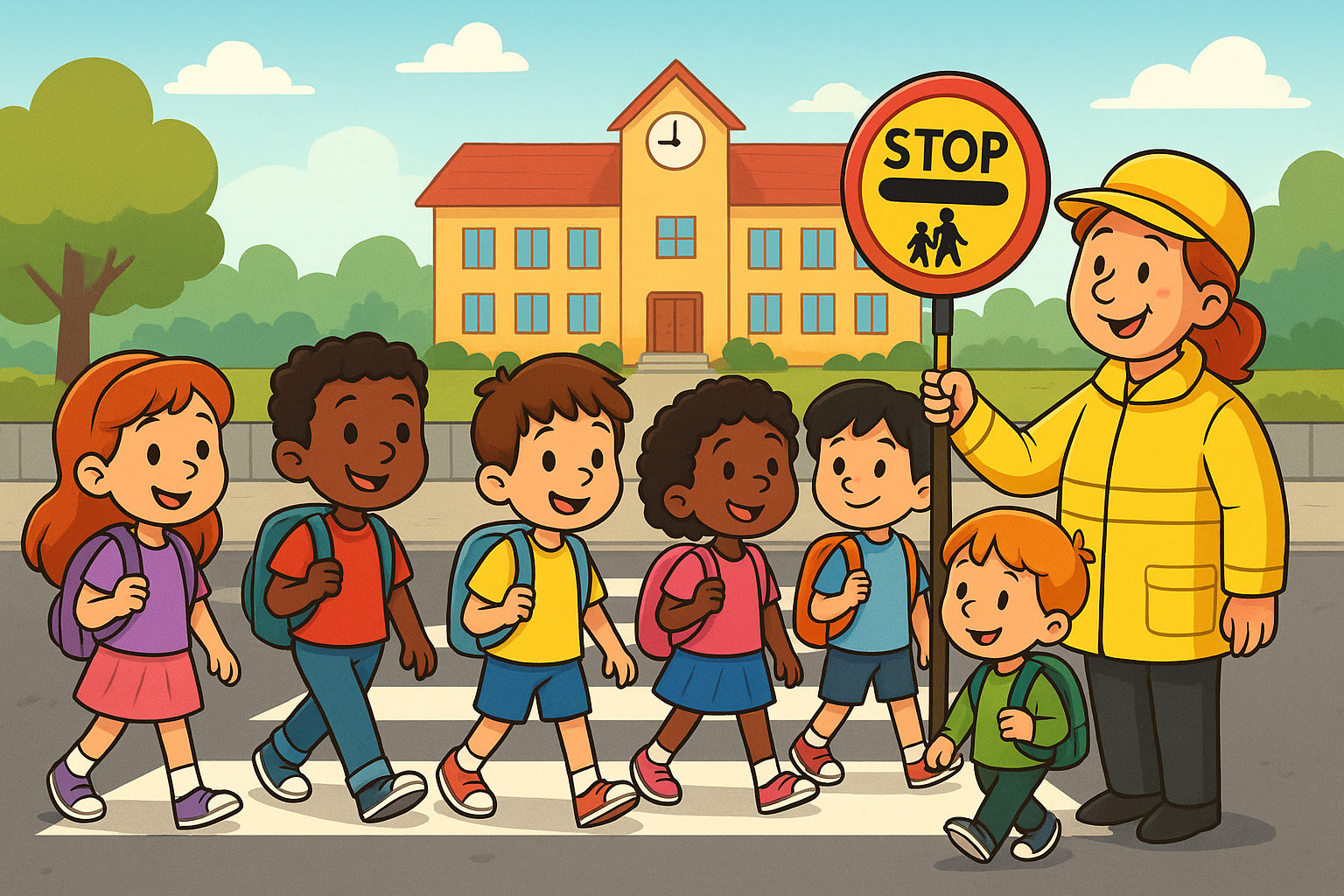
  • Use zebra crossings, pelican crossings and lollipop patrols where available.

  • Avoid distractions like mobile phones or headphones while near traffic.

  • Never cross from behind parked vehicles or run into the road suddenly.

Developing these habits early helps children stay safe as they grow more independent.


School Safety on the Bus


For children who take the bus in Omagh, Enniskillen or Coleraine, basic awareness is vital. Teach them to:

  • Wait well back from the kerb as the bus approaches.

  • Only step onto the bus once it has completely stopped.

  • Stay seated while the bus is moving.

  • Look carefully in both directions before crossing after getting off.

  • Never walk behind the bus, where drivers cannot see them.


Driving Children to School


For parents in Lisburn, Bangor and Derry-Londonderry who drive their children to school, there are simple ways to reduce risks:

  • Make sure car seats are age- and size-appropriate, and securely fitted.

  • Leave home earlier to avoid the temptation to rush or park carelessly.

  • Park away from zigzag lines, corners or blocked driveways, even if it means walking further.

  • Obey school crossing patrols immediately – they are there to protect children.

  • Keep focused on the road at all times – avoid mobile phones and turn down distractions.


Slow Down in School Zones


Across Northern Ireland, traffic builds quickly at drop-off and collection times. Reducing speed to 20mph or less near schools gives drivers extra time to react if a child runs into the road. Even a few miles per hour slower can make the difference between a near miss and a serious injury.


When Accidents Happen


Despite every precaution, accidents involving children on the school run are still common. At Lacey Solicitors, we regularly advise families dealing with:

  • Pedestrian accidents outside schools

  • Child passenger injuries in car crashes

  • Cycling accidents on the way to school

  • Falls in school car parks or near bus stops

If your child has been injured on the journey to or from school in Belfast, Newry, Lisburn, Derry-Londonderry, Bangor, Ballymena, Armagh or elsewhere in Northern Ireland, and it was not their fault, you may be able to claim compensation.


Common Accidents at School

While all schools do their best to follow strict health and safety policies, accidents can still occur during the school day. Some of the most frequent incidents we see include:

  • Playground equipment accidents – children may fall or collide while playing.

  • Slips, trips, and falls on school premises – wet floors, uneven surfaces or cluttered hallways can cause injuries.

  • Science experiment injuries – mishandling equipment or chemicals can result in burns or cuts.

  • Accidents on school trips – trips and outings can carry unexpected hazards.

  • Fingers or hands caught in doors – heavy doors or lockers can trap children’s fingers.

  • Sports injuries – sprains, strains, or impacts during PE classes and extracurricular activities.

Even with excellent supervision, these accidents can have lasting effects. If your child is injured at school due to negligence or unsafe conditions, you may be entitled to compensation through a personal injury claim.


Why Families Across Northern Ireland Trust Lacey Solicitors

Clients across Belfast, Dublin, choose us for our award-nominated expertise, decades of experience, and client-focused service.

  • Recognised Leaders: Finalists at the 2025 LEAP Irish Law Awards, including Personal Injury Lawyer of the Year.

  • Expert Advice: Specialising in personal injury, insurance, and civil litigation with cross-border support.

  • Excellence & Innovation in Client Services
    Our LEXCEL-accredited approach combines technology, responsiveness, and exceptional care—whether we’re handling a strightforward car accident or a devastating catastrophic injury claim.

  • APIL Members: Proud members of the Association of Personal Injury Lawyers, ensuring the highest standards of practice.


Talk to Us Today


At Lacey Solicitors, we are committed to protecting children and supporting families across Northern Ireland.

If your child has suffered an injury while walking, travelling by bus or being driven to school, and the accident wasn’t their fault, contact our team today using our online portal. Our specialist solicitors are here to help you every step of the way.

Pedestrian Accident Claims in Northern Ireland: A Complete Guide to Compensation

Pedestrians are among the most vulnerable road users in Northern Ireland. With little protection against cars, lorries, buses or cyclists, pedestrian accident claims Northern Ireland and the consequences of being struck on the road can be devastating. According to the Police Service of Northern Ireland (PSNI), pedestrians account for a significant proportion of serious and fatal road traffic casualties every year.

If you or a loved one has been injured in a pedestrian accident, you may be entitled to compensation. This guide explains your rights under Northern Ireland law, how the claims process works, what evidence you’ll need, and how compensation is calculated.


Why Pedestrians Are at Risk on Northern Ireland Roads


  • Traffic density in urban centres such as Belfast, Derry/Londonderry and Newry increases collision risks.
  • Visibility issues during dark winter months contribute to pedestrian accidents.
  • Shared road use—with buses, cyclists and cars often occupying the same space—creates hazards.
  • Driver behaviour, including speeding, using a mobile phone or failing to yield, is a leading factor in pedestrian collisions.

NI road safety reports show that around 15–20% of road deaths annually involve pedestrians. These figures highlight the urgent need for awareness, protection, and access to justice when accidents occur.


Who Can Make a Pedestrian Accident Claim?


You may be eligible to claim compensation if:

  • You were injured by a motorist while crossing or walking along a road.
  • A cyclist or e-scooter caused your injuries.
  • You were the victim of a hit-and-run or struck by an uninsured driver.
  • You lost a loved one in a fatal pedestrian accident.

At Lacey Solicitors, we  can see a worrying trend of children and vulnerable adults being victims of pedestrian accidents. In such cases, a parent, guardian or litigation friend can bring a claim on their behalf.


Time Limits for Pedestrian Accident Claims in Northern Ireland


In most cases, you have three years from the date of the accident to issue court proceedings.

Exceptions include:

  • Children: the three-year limit begins on their 18th birthday.
  • Lack of mental capacity: the time limit does not run until (and if) capacity is regained.

Prompt legal advice is strongly recommended, as delays can make evidence gathering more difficult.


Proving Fault and Contributory Negligence


In pedestrian accident cases, drivers are usually expected to take extra care. However, even if you are partially at fault, you may still seek compensation.

Compensation may still be awarded even if the pedestrian was partly responsible—for example:

  • Crossing outside a designated crossing point.
  • Wearing dark clothing at night.
  • Using headphones or being distracted by a mobile phone.

In such cases, the court will assess contributory negligence and reduce compensation proportionally.


Evidence Needed to Support a Claim


A successful claim depends on strong evidence. If possible:

  • Photographs of the accident scene, vehicles, and injuries.
  • Witness details from passers-by or passengers.
  • CCTV or dashcam footage.
  • Medical records confirming the extent of your injuries.
  • Receipts and invoices for financial losses (treatment, transport, care).
  • Police report, especially vital in hit-and-run cases.

If the driver was uninsured or untraceable, you can still claim through the Motor Insurers’ Bureau.


Types of Injuries in Pedestrian Accidents


Pedestrian accidents often lead to life-altering injuries, including:

  • Fractures and broken bones
  • Head and brain injuries
  • Spinal cord damage and paralysis
  • Internal injuries
  • Amputations
  • Psychological harm such as PTSD, anxiety or depression

In fatal accidents, families may claim for bereavement damages, funeral expenses and dependency losses.


How Compensation Is Calculated


Compensation in Northern Ireland is typically divided into two categories:

  1. General Damages
    • Pain, suffering and loss of amenity.
    • Various Guidelines available to Solicitors, Judges and Barristers provide range based on injury type.
  2. Special Damages
    • Lost earnings and loss of future earning capacity.
    • Medical treatment and rehabilitation costs.
    • Care and assistance from family or professionals.
    • Travel expenses to medical appointments.

For fatal claims, dependants may also receive compensation for financial loss, services, and emotional impact.


The Claims Process in Northern Ireland


  1. Free Initial Consultation – discuss your case with a solicitor.
  2. Investigation – gathering evidence, witness statements, medical assessments.
  3. Letter of Claim – sent to the driver’s insurer or the MIB.
  4. Negotiation – many claims settle without court proceedings.
  5. Court Proceedings – if settlement cannot be reached, your solicitor may issue proceedings in the County Court or High Court, depending on claim value.

Most claims conclude within 12–18 months, though complex or high-value cases can take longer.


Solicitors in Northern Ireland are strictly prohibited from offering no win no fee claims


No solicitor in Northern Ireland can offer you a no win no fee arrangement.  If they do, they may be breaking the law.

At Lacey Solicitors, we believe that everyone should have access to justice and that financial barriers should be reduced where possible. Read our recent article on the funding options available to you.


Frequently Asked Questions


Can I claim if I was partly at fault?
Yes, but your compensation will be reduced to reflect your share of responsibility.

What if the driver fled the scene?
You may claim through the Motor Insurers’ Bureau.

How long do I have to claim?
Three years in most cases, though exceptions apply for minors and those lacking mental capacity.  The best injury solicitors in Northern Ireland will all advise you to begin your case as early as possible.

What if my injuries are psychological rather than physical?
Psychological injuries such as PTSD are recognised in Northern Ireland and can form part of your claim.  Read more about psychological claims in our previous article.

How much compensation will I get?
This depends on the severity of your injuries, financial losses, and long-term impact. Solicitors in NI use various guides and their own experience to calculate appropriate awards.


Taking the Next Step


If you’ve been injured in a pedestrian accident in Northern Ireland, expert legal advice can make the difference between a failed claim and securing the compensation you deserve.

An experienced solicitor will:

  • Protect your rights.
  • Guide you through the process.
  • Maximise your compensation.
  • Handle insurers and legal proceedings on your behalf.

Conclusion


Pedestrian accidents can be devastating, but victims and families are not without recourse. Northern Ireland law provides clear avenues for compensation, whether the driver was negligent, uninsured, or untraceable. With professional legal support, you can secure justice, financial security, and peace of mind.

At Lacey Solicitors, we have the knowledge and expertise required to handle your claim with professionalism and efficiency. We focus solely on personal injury law and have a strong track record of securing compensation for our clients. We will work hard to ensure that you receive the compensation you’re owed, quickly and professionally, so you can concentrate on your recovery.

For further assistance or to discuss your claim, please don’t hesitate to get in touch. You can call us, or simply use our online contact form.

The Symptoms of Whiplash and Associated Disorders

A large number of car accidents in Northern Ireland result in whiplash injuries for passengers and drivers alike. With thousands or car crash related neck injuries each year, could you be eligible to make a compensation claim?

From Feeny to Downpatrick, car accidents are more common than you would think. Globally, car crashes kill around 1.19 million people each year. If you are lucky enough to suffer a car accident in or around Belfast and you manage to survive it? You are one of the lucky ones. Even if a lengthy recovery time or a serious whiplash injury means that you don’t feel like it.


How is Whiplash Caused?


Whiplash is the most commonly reported injury after a car accident because it is caused by the sudden jerking back and forward of your neck. When the neck muscles are jolted with force and without warning, the muscles strain to support the head. The resulting pain after the hyperextension is known as whiplash.

With between 20 and 50 million people internationally suffering injuries from survivable road traffic accidents, whiplash cases are a common occurrence.


What are the Symptoms of Whiplash (Neck Injury)?


Basic whiplash symptoms include pain in the neck, stiffness in the neck, shoulders, and back muscles, and a lack of neck mobility.

Moderate whiplash symptoms can include a ringing in the ears, muscle spasms, dizziness, nausea, and blurred vision.

Severe whiplash symptoms include memory loss, confusion, long term pain and even disability. In the most severe cases, whiplash symptoms can include paralysis or long-term mobility issues.


Defining Whiplash Associated Disorders (WAD)


The collection of severe symptoms associated with suffering from whiplash after a car collision is known as Whiplash Associated Disorders (WAD). Although the condition itself is not a disorder, it can cause the body to malfunction. Symptoms like dizziness, fatigue, pins and needles, and a lack of ability to concentrate might all be included in this, although they are rarer.


What are the Grades of WAD


While the US grades whiplash as grades 1-4, the health executive of Northern Ireland use a three point system. NI whiplash claims therefore fall broadly into one of three categories:

  1.   Minor Whiplash
  2.   Moderate Whiplash
  3.   Severe Whiplash

The severity of your whiplash and associated disorders defines how much your whiplash claim is worth.


How Long Does It Take for Whiplash to Heal?


Whiplash could heal quickly. In the case of a basic whiplash injury, you may heal within three months. Occasionally, whiplash injuries can take longer to heal after a car crash. You could be a victim in a rear-end collision in Enniskillen in March and still be suffering neck pain in December.

In the worst cases, injuries caused by that collision could be permanent. If your whiplash associated disorders are still with you over a year later, then your compensation claim could be worth the maximum amount.


Why Hire Lacey Solicitors as your Whiplash Injury Solicitor?


From Belfast City Centre to the back streets of Bangor, Lacey solicitors have experience with handling car crash compensation claims. Whether you are side swiped by an overtaking vehicle or another vehicle reverses into you in a car park, you need an expert personal injury solicitor on your side.

Call +44 28 9089 6540 today to discuss your compensation claim for whiplash injuries.


Auto Accident and Personal Injury Claim Information for Northern Ireland

Auto accident injuries are a part of daily life in the North of Ireland. Should you endure a car accident, then this information could help you seek justice.

From fatal accidents to fractures, car accident lawsuits are a way to recover the costs after you suffer an injury. Whether you were a driver, passenger, or pedestrian who was in the wrong place and time, auto accidents can enforce permanent changes into your life.

We covered how to make a car accident claim in Northern Ireland in a previous article, but not every vehicle collision is a car crash. Unfortunately, we do not have a car accident compensation calculator, but speaking to our legal experts might give you an idea of what your claim might be worth.


What is an Auto Accident?


An auto accident is any road traffic accident which involves an automobile. An automobile is any wheeled, motor-driven vehicle which pushes itself along using an engine. While cars, vans, lorries, trucks, and buses fall into this category, horses, pedestrians, and bicyclists do not. However, if you are knocked off your horse by an automobile, then you have been involved in an auto accident.

An auto accident is a crash, collision, or incident which involves an auto mobile. If you have been the victim of an auto accident, then you will need a motor vehicle accident lawyer to help you bring your claim for compensation against those to blame for your injuries.


Types of Motor Vehicle Accident


Although every auto accident claim is different, those seeking compensation for personal injuries suffered during a Road Traffic Accident (RTA) fall broadly into the following categories:

  •       Side Swipe Accidents
  •       T-Bone Accidents
  •       Overtaking Accidents
  •       Head-On Collisions
  •       Rear-End Collisions (Often responsible for whiplash claims)

There are different reasons for auto accidents, too. Causes could include driver error, vehicle malfunction, driving under the influence, inattention, or tiredness.

Read About Your Obligations in a Belfast Auto Accident Here.


Common Auto Accident Injuries


Whiplash is one of the most common auto accident injuries. Caused by a hyperextension of the neck, this injury can cause short term pain or long term damage. If you were a passenger in a car accident who now has whiplash, you could be eligible to launch a claim.

You can read more about the myths around whiplash compensation claims in our previous article.

Shoulder pain after a car accident, lower back pain due to a back injury sustained in the crash, and even psychological trauma can all occur after a non-fatal car accident.

Car accident injuries range from mild to severe, to deadly. A motor vehicle law specialist can advise you on what your auto accident claim might be worth. If you are interested in bringing a claim for compensation against the person who is to blame for your car crash, then seeking out a lawyer is the next logical step.


How Long After an Auto Accident Should I Bring a Claim for Compensation?


You should begin your claim as soon as you can. Once you are safe, seek the help of our specialist car crash solicitors. The statute of limitations in Belfast and Northern Ireland is 3 years, so make your claim before three years have passed since the date of the accident.


Vehicle Collisions: Lawyer Based in Belfast, Expert in Auto Accident Claims


Your auto accident lawyer will give you the best advice on how to proceed with your claim. For the strongest case, make sure you study the steps you should take after the accident to protect your legal interests after a collision.

Contact Lacey Solicitors for representation during vehicle collision claims in Northern Ireland, today.


Been Involved in a Car Crash? See These Related Posts:


How Long Do Personal Injury Cases Take in Northern Ireland?

Personal injury claim timelines vary widely based on the accident and injuries involved. Every case is different and various factors will determine how quickly your chosen injury law firm can bring your case to a conclusion.  Key influences include the accident type, injury severity, evidence needed, and whether fault is disputed.

For example, a simple car accident with clear liability can settle much faster than a complex case where fault is denied. Similarly, a straightforward slip-at-work might resolve quickly, whereas a serious workplace injury claim (especially involving multiple employers or chronic conditions) can take longer.

If a client asks us for a timeline, we often consider the following factors:

  • Accident type and injury severity. Road traffic collisions, factory accidents, or other incidents differ in how complicated they are. The more severe or complex the injuries (e.g. multiple fractures, brain injury, chronic conditions), the longer doctors and courts may need to assess them.
  • Liability and evidence. If the at-fault party admits responsibility quickly, settlement can be swift. But if fault is disputed or the insurers delays(or if multiple parties are involved), the case may require investigations, witness statements, and possibly court action.
  • Medical recovery time. Some injuries (like minor soft-tissue injuries) heal in days or weeks, whereas others (like spinal injuries) take months or years to stabilize. Often we might advise waiting until an injured person’s condition plateaus, so all future care needs and pain are documented.
  • Legal procedures. In Northern Ireland, most claims begin with solicitors negotiating with insurers. If no agreement is reached, formal court proceedings can add many months. The necessity of court proceedings can significantly lengthen any given timeline.

Typical Timelines: Road Traffic Accidents and Workplace Injuries


While every claim is unique, some general patterns are clear. In road traffic accident claims (car, motorcycle, pedestrian accidents), our office will often cite 12–18 months as a common duration.  We often find that whilst a functional recovery for standard soft tissue injuries may take place in a few months, a full recovery does not take place until approximately a year.

Our office is however able to quickly conclude striaghtforward road traffic accident cases – sometimes within 4–9 months – especially if liability is admitted quickly. Some insurers are extremely pro-active where fault is clear, admitting liability and making fair proposals within months.

Similarly, workplace injury claims in Northern Ireland vary. A minor work accident (e.g. a trip or fall without dispute) might be resolved in 6–9 months.  Major industrial disease or complex occupational injury cases usually take longer (often over a year). In general practice, many NI firms aim to settle most workplace injury cases within a year or two, but it can be in your interests to allow more time if injuries are severe or worsening.

Even if it means a longer wait, it can be prudent of a solicitor to defer the conclusion of your case to ensure that a full picture of your symptoms and prognosis is obtained.


Why Some Cases Take Longer


Beyond accident specifics, our clients can sometimes benefit from a slower approach. If you have injuries that might worsen or require future treatment, waiting ensures all consequences are captured in your compensation.

For instance, if a back injury from a crash progressively worsens, settling too early could short-change you leaving you undercompensated. Delaying settlement allows your solicitors the opportunity to ensure that you are completely and rightfully compensated by covering all pain, suffering and future care.

In practice, solicitors will keep you updated and only finalise your claim when all medical evidence is in. It’s a trade-off: a longer timeline (often 12–18 months) for a more accurate award, versus a faster payout that might not cover future needs.


Statutory Time Limits in Northern Ireland


It’s important to start your claim promptly, since NI law sets strict deadlines. Generally, you have three years from the date of the accident (or from when you became aware of the injury) to sue.

Northern Ireland’s limit is longer than ROI’s two-year limit.

These limits can sometimes be extended in unusual cases, but the safer approach is to contact a solicitor early. Acting promptly also helps gather fresh evidence. As a rule of thumb, personal injury specialists advise contacting a solicitor as soon as possible after an accident to discuss your case and limitation dates.


Choosing the Best Personal Injury Solicitors


Because timelines and procedures can be complex, having an experienced local lawyer is crucial. In Northern Ireland, reputable firms provide personal-injury expertise and understand local courts and insurers.

Ruaidhrí Austin of Lacey Solicitors is a member of the Association of Personal Injury Lawyers.  The firm has a panel of experts across Ireland and Northern Ireland to assist claims, and proudly are Lexcel-accredited (a Law Society quality mark).  Lacey Solicitors were finalists in the Irish Legal Awards 2025 for both Personal Injury Law Firm of the year and Civil Litigation Law firm of the year.  These credentials reflect high standards of client care and legal excellence.

An experienced solicitor will manage your case efficiently, keeping you informed at each stage. They can advise whether it makes sense to aim for a quicker settlement or to wait, based on your injuries. They will also handle negotiations with insurers or courts on your behalf, ensuring you meet NI’s legal deadlines. For credible NI advice on accident claims, Lacey Solicitors’ Belfast team can review your situation, explain the expected timeline, and strive to recover your compensation as fully and quickly as possible.


Contact Lacey Solicitors Today


If you’ve been injured in a car accident or workplace incident in Northern Ireland, speak to our experienced personal injury team at Lacey Solicitors. We are here to guide you through every step of the claims process – from initial advice to securing the compensation you deserve. Our solicitors are accessible, responsive, and committed to achieving the best outcome for you. Contact our Belfast office today by phone or use our secure online portal to start your claim. All enquiries are 100% confidential, and there’s no obligation to proceed.