

Roundabout Accidents in Belfast: Why Misinformation Causes So Many Crashes

Roundabouts are a common feature of Belfast’s road network. From busy junctions near the Westlink to suburban traffic systems connecting residential areas, roundabouts are designed to keep vehicles moving and reduce congestion. In theory, they are safer than traditional crossroads. In practice, however, roundabout accidents remain one of the most frequent types of road traffic accident reported across Northern Ireland.

Many drivers assume they fully understand how roundabouts work. Yet confusion about lane positioning, signalling and right of way often leads to sudden braking, side impacts and rear end collisions. These accidents are rarely dramatic at first glance, but they can still result in significant physical and emotional consequences.


Why Roundabouts Cause So Much Confusion


Roundabouts require constant awareness and decision making. Drivers must choose the correct lane, anticipate the movements of others and react quickly to vehicles entering from different directions. In Belfast, where traffic levels can fluctuate throughout the day, this can create unpredictable driving conditions.

One of the most common causes of roundabout accidents is lane misuse. Drivers sometimes enter in the wrong lane and attempt to correct their position at the last moment. This often results in side swipe collisions or sudden braking that leads to rear end impacts. Others fail to signal clearly when exiting, leaving surrounding drivers unsure of their intentions.

Multi lane roundabouts in particular increase the risk of misunderstanding. Vehicles travelling side by side may drift slightly within their lane, especially during poor weather. Even a small misjudgement can lead to contact between vehicles.


The Most Common Types of Roundabout Collisions


Several patterns appear repeatedly in Belfast roundabout accidents.

Rear end collisions are frequent. These usually occur when one driver stops unexpectedly at the entry point while another assumes traffic will continue flowing. The stop start nature of busy urban roundabouts makes this type of accident particularly common during peak hours.

Side impact collisions also occur regularly. These often happen when a driver attempts to exit from the inner lane without checking for a vehicle travelling in the outer lane. In some cases, both drivers believe they have priority, leading to disputes about how the accident unfolded.

Low speed contact is another typical scenario. Vehicles may clip mirrors or scrape panels while manoeuvring around tight curves. Although damage may appear minor, occupants can still experience soft tissue injuries due to the sudden movement.


Hidden Injuries After Roundabout Accidents


Because many roundabout collisions occur at relatively low speeds, drivers often assume injuries will be minimal. This is not always the case. Even a modest impact can cause whiplash, back pain or shoulder strain, particularly where braking is abrupt.

The circular movement of a roundabout can create twisting forces on the body. If a vehicle is struck from the side, the torso may rotate unexpectedly, placing strain on the spine and neck. Symptoms sometimes develop later in the day or even several days afterwards.

Psychological effects can also follow. Some individuals report increased anxiety when approaching roundabouts after experiencing a collision. Busy traffic conditions combined with previous trauma can reduce confidence and make routine driving feel more stressful.


Roundabouts in Belfast: Traffic Patterns and Risk Factors


Belfast’s infrastructure contributes to the frequency of these accidents. Major connecting routes funnel large volumes of vehicles into roundabouts that were originally designed for lighter traffic. During rush hour, drivers may feel pressured to make quick decisions, increasing the likelihood of misjudgement.

Weather also plays a role. Rain and frost are common across Northern Ireland, and slippery surfaces reduce braking control. Visibility issues during darker winter evenings can make signalling harder to spot.

Tourists and drivers unfamiliar with specific junction layouts can add further unpredictability. When drivers hesitate or change lanes suddenly, surrounding vehicles must react quickly, sometimes resulting in avoidable collisions.


When Liability Is Disputed


Roundabout accidents frequently lead to conflicting accounts. Each driver may believe the other entered incorrectly or failed to signal. Without independent witnesses or dashcam footage, it can be difficult to reconstruct the precise sequence of events.

This is one reason many individuals choose to speak with solicitors who regularly handle roundabout related collisions. These conversations typically focus on understanding what information may be useful and how similar disputes are usually approached.

Our Road Traffic Accident team regularly assists individuals involved in junction and roundabout collisions throughout Belfast and Northern Ireland. Each case turns on its own facts, and early clarity can often reduce uncertainty.


Why Even Minor Roundabout Accidents Should Not Be Dismissed


It is easy to underestimate a low speed impact. Vehicles may appear only lightly damaged, and drivers often exchange details and move on quickly. However, symptoms such as neck stiffness, headaches or back discomfort frequently appear later.

Ignoring these signs can prolong recovery. Many people initially attempt to continue normal routines before realising that discomfort persists. Seeking reassurance and understanding what others typically do after similar incidents can provide peace of mind.

If you have been involved in a roundabout accident in Belfast and want to explore your options, our personal injury solicitors in Northern Ireland are available to listen and provide clear guidance based on experience.


Moving Forward After a Roundabout Collision


Roundabouts are designed to improve traffic flow, yet confusion and miscommunication continue to cause preventable accidents. Understanding how these collisions happen helps drivers recognise that they are not alone in their experience.

Recovery from any road traffic accident involves both physical and emotional adjustment. If you would like to speak with someone about what steps people commonly take following a roundabout collision, you can reach out through our contact page, where our team is ready to assist.
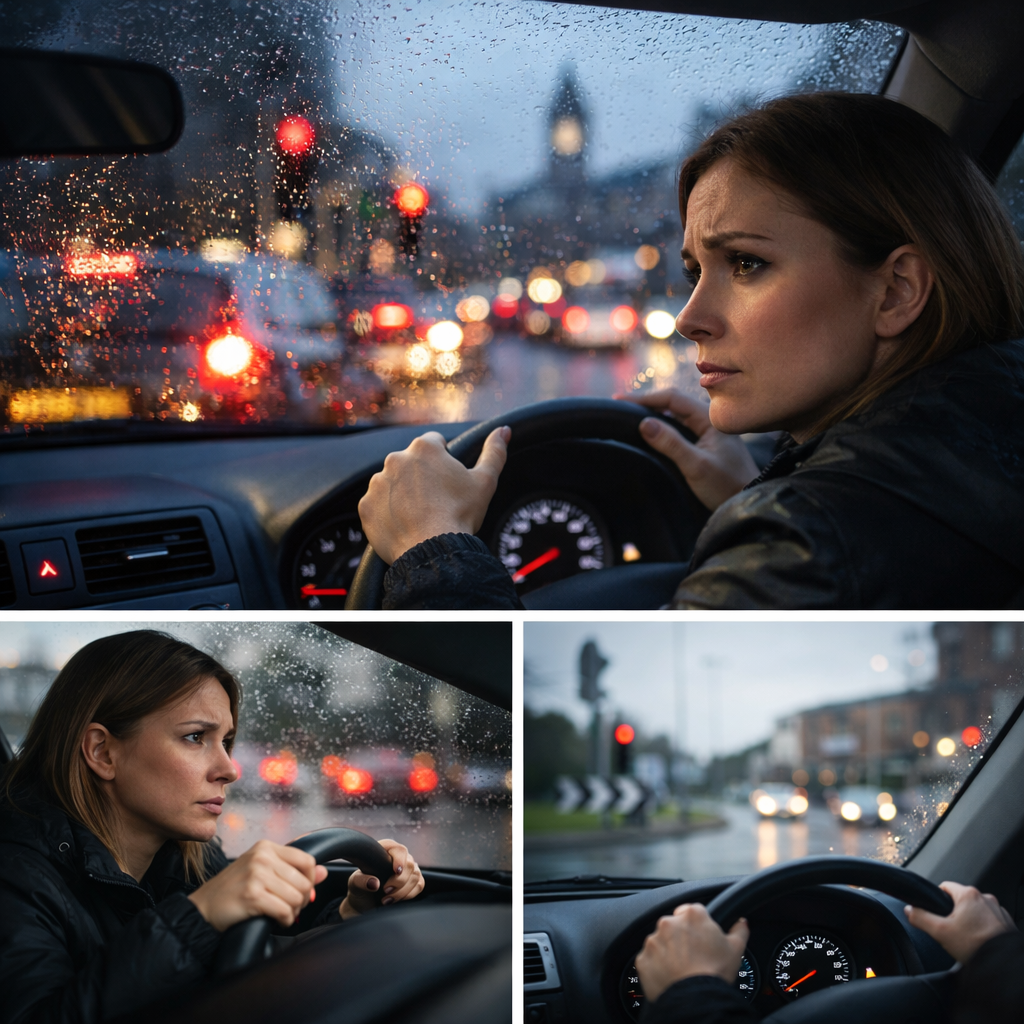

 

Psychological Trauma After a Belfast Car Accident: What People Commonly Experience

Psychological trauma is one of the most overlooked effects of road traffic accidents in Belfast.

Many people focus first on physical injuries such as whiplash, back pain or bruising, but emotional and psychological reactions can be just as significant. It is common for individuals to feel unsettled, anxious or overwhelmed in the days and weeks following an accident. Even incidents that seem minor at the time can leave a lasting emotional impact. People often describe how their mind continues to replay the event or how they find themselves feeling tense when driving through certain parts of Belfast where the accident occurred. These experiences are far more common than many realise and should never be dismissed.

Psychological trauma does not always appear immediately. Many individuals in Northern Ireland explain that they felt fine at the scene and only realised later that their confidence had been affected. Others notice changes in their sleep patterns or feel more nervous when travelling as a passenger. Some experience moments of irritability, difficulty concentrating or a sense of being on edge.

These reactions are a normal response to a sudden and unexpected event. Road traffic accidents interrupt a person’s sense of safety and control, and the mind often continues to process the experience long after the physical injuries have begun to settle.


Common Emotional Reactions After a Car Accident


People who reach out to speak with a solicitor frequently mention similar emotional symptoms. Many describe feeling nervous when returning to the road for the first time. Others struggle with intrusive thoughts about how the accident happened or what could have occurred. Some individuals report feeling jumpy when hearing loud noises or sudden braking sounds. These reactions often relate to the shock of the incident and the body’s attempt to protect itself from further harm.

It is also common for people to feel frustrated or embarrassed about their emotional response. They may believe they should be coping better or worry that others will not understand how they feel. In reality, psychological trauma after a road traffic accident is one of the most natural and widespread reactions and it affects people of all ages and backgrounds across Northern Ireland.


How Trauma Can Affect Daily Life


Psychological trauma can influence a person’s daily routine in many ways. Some individuals find it difficult to return to driving, especially if their accident occurred during heavy Belfast traffic or on a familiar route. Others begin avoiding certain roads or junctions associated with the incident. People may feel anxious when approaching roundabouts, merging lanes or busy motorway slip roads because these situations remind them of the accident.

Sleep disturbances are also very common. Individuals often report vivid dreams or restless nights where their mind replays the moment of impact. Lack of sleep can then contribute to irritability, fatigue and difficulty concentrating during the day. These challenges can make work, family life and ordinary tasks feel more overwhelming than usual. Many people feel frustrated that their emotions seem out of their control even though their physical injuries may be improving.


Why Psychological Trauma Happens After an RTA

A road traffic accident is a sudden and unexpected event that forces the mind and body into a heightened state of alert. The shock response is immediate and protective. Once the initial adrenaline wears off, the brain continues to process what happened. This can lead to heightened awareness, tension or ongoing fear. These emotional responses are not a sign of weakness. They are a natural part of the body’s recovery after a frightening experience.

People in Belfast and across Northern Ireland often describe feeling confused about why they are struggling emotionally when the physical injuries were relatively minor. It is important to understand that psychological trauma does not depend on the severity of the impact. Even low speed collisions can create sudden fear or panic, especially if a person felt trapped or powerless in the moment.


Roads and Conditions in Belfast That Contribute to Stress

Belfast roads can be busy and unpredictable. Congested areas such as the Westlink, Ormeau Road and the motorway network create environments where sudden braking and merging are common. These conditions can heighten anxiety after an accident, especially when drivers must return to similar traffic situations soon after the incident. Rural roads across Northern Ireland also contribute to stress because they often involve narrow bends, limited visibility and higher driving speeds. Individuals who experience trauma on rural roads may feel nervous approaching similar conditions again.

Weather conditions in Northern Ireland also play a role. Rain, frost and poor visibility increase the unpredictability of the road, and many people describe how certain weather triggers reminders of their accident. These emotional reactions are normal and shared by many others who have been involved in similar situations.


When People Choose to Speak with a Solicitor

People often choose to speak with a solicitor after experiencing psychological trauma following a road traffic accident because they want clarity and reassurance. These conversations are not about receiving legal advice. Instead, individuals want to understand what steps others usually take, what kind of evidence may be helpful and how emotional injuries are commonly addressed in personal injury claims. Many people feel more confident once they have spoken with someone who understands the common patterns of trauma after an accident and can explain how these experiences fit within the broader claims process.

At Lacey Solicitors we speak every day with individuals who are coping with emotional strain after accidents in Belfast and across Northern Ireland. Our team approaches every conversation with sensitivity and understanding, recognising that psychological trauma can be just as difficult to manage as a physical injury. You can find more information about our services on our Road Traffic Accident page.


Moving Forward After Psychological Trauma

Recovery from trauma is rarely straightforward. Some people begin to feel better within a few weeks, while others find that progress takes longer. It is normal for symptoms to fluctuate. Individuals may feel confident one day and anxious the next, especially if they encounter triggers that remind them of the accident. With time, support and patience, most people begin to regain their sense of confidence on the road and in everyday life.

Our team provides calm and compassionate guidance for individuals across Northern Ireland who are dealing with emotional and psychological effects after a road traffic accident. You can contact us through https://laceysolicitors.com/contact-us/ if you wish to discuss your situation with someone who understands the process.


Trainee Solicitor Cara O’Sullivan Returns From Institute of Professional Legal Studies

Welcome Back to the Office, Cara O’Sullivan – Our Trainee Solicitor (NI & ROI)


We’re delighted to welcome Cara O’Sullivan, our Trainee Solicitor, back to the office after completing her time at the Institute.

Cara graduated from Queen’s University Belfast in 2023, began her training contract with the firm in September 2024, and attended the Institute from January 2025 to December 2025 as part of her professional training. While she enjoyed the experience and everything it offered, Cara is very happy to return to the office – back into the pace of practice, supporting clients, and progressing cases across both jurisdictions.


Cara’s Institute Year: Building Strong Foundations Across Key Practice Areas


During her time at the Institute, Cara completed modules covering core subjects that directly support the work she is now doing day-to-day in practice. These included:

  • Property
  • Criminal
  • Family
  • Private Client
  • Advocacy
  • Business
  • Tort

These modules strengthened Cara’s legal knowledge across a wide range of areas – combining black-letter law with practical application, drafting, analysis, and professional skills. That breadth is especially valuable for a trainee developing into a solicitor with the ability to handle varied instructions and contribute meaningfully across a busy practice.

Cara also acted as Class Representative and assisted in organising events and fundraisers including the recent IPLS Winter Gala which raised over £2,000 for Action Mental Health and NI Hospice.


All-Ireland Mediation Competition: Learning and Connecting Across the Island


One of the highlights of Cara’s Institute year was taking part in the All-Ireland Mediation Competition. The competition brought together teams from across the island, with participants competing against – and learning alongside- teams from all over Ireland.

Mediation is a skill that sits at the heart of modern dispute resolution: it demands clear thinking under pressure, strong communication, practical negotiation, and the ability to identify outcomes that serve clients’ interests. Competing in an all-island setting gave Cara the opportunity to sharpen those skills in a realistic, fast-moving environment – while also building professional connections across the island.

That all-Ireland element is particularly fitting, as Cara’s developing area of practice will be cross-jurisdictional work across Northern Ireland and the Republic of Ireland. The competition wasn’t just an academic experience; it mirrored the collaborative, relationship-driven nature of practice across Ireland – strengthening connections and learning that will support Cara’s career as her work continues to develop on an all-island basis.


Back in Practice: Training Under Head Partner Terry Lacey


Cara continues her training under her master, Terry Lacey, Head Partner of the firm. Since returning, she has been involved in a broad mix of Northern Ireland (NI) and Republic of Ireland (ROI) matters, gaining experience on both plaintiff and defence cases – an excellent foundation for building rounded judgment and practical case strategy.

As part of her trainee role, Cara is regularly involved in:

  • Attending court across the island of Ireland
  • Drafting proceedings and preparing legal documentation
  • Attending client consultations and supporting case planning
  • Assisting with file progression and litigation preparation across NI and ROI cases

Looking Ahead: Qualification in September 2026


Cara is now focused on the next milestone in her career. She is due to qualify in September 2026, when she will be added to the Roll of Solicitors for Northern Ireland.

We’re proud of how Cara has progressed so far- from Queen’s Law graduate, to starting her training contract in 2024, to completing a busy and successful Institute year. We’re delighted to have her back in the office and look forward to supporting her as she continues to build her all-Ireland practice.

Pre-existing Injuries and Personal Injury Law: Understanding the “Eggshell Skull” Rule

At Lacey Solicitors, we frequently encounter cases where a plaintiff’s pre-existing condition or vulnerability complicates the assessment of liability and damages. For insurance claims handlers and legal professionals, a solid understanding of the “eggshell skull” principle is essential when evaluating personal injury claims.


What is the “Eggshell Skull” Rule?


The “eggshell skull” rule, sometimes called the “thin skull” rule, is a long-established doctrine in tort law. It requires that a defendant take their victim as they find them. Once a plaintiff establishes that the defendant owed a duty of care and breached that duty causing injury, the defendant is liable for the full extent of the resulting damage — even if the injury is far more severe than could have been anticipated due to a pre-existing condition or unusual vulnerability.

Importantly, while the type of injury must be foreseeable, the extent or severity of the injury need not be. Classic authority for this principle includes Smith v Leech Brain & Co Ltd [1962], where a minor burn triggered cancer due to the plaintiff’s pre-existing condition, and the defendant was held fully liable.


Physical and Psychiatric Injuries


The eggshell skull rule applies not only to physical injuries but also to psychiatric vulnerabilities. In Corr v IBC Vehicles Ltd [2005], an employee developed depression after a workplace injury and later committed suicide. The House of Lords held that the suicide was a development of the depression caused by negligence, rather than a novus actus interveniens, and the employer remained liable.


Josephine Higgins v Coleman & Motor Insurers’ Bureau of Ireland (2025)


The High Court of Ireland recently reaffirmed the eggshell skull principle in Josephine Higgins v Coleman & Motor Insurers’ Bureau of Ireland (2025).

The plaintiff, Ms. Higgins, was holding a parking space on the roadway when a van allegedly struck her left knee, causing a jolt. The defendant disputed the collision and denied liability. The court accepted medical evidence showing that Ms. Higgins suffered serious and ongoing consequences, including a radical personality change. She was diagnosed with a psychiatric adjustment disorder with mixed anxiety and depression, alongside moderate back injuries causing ongoing pain and sciatica.

O’Higgins J applied the eggshell skull principle, holding the defendant liable for the full extent of her injuries, even though they were more severe than might have been expected. The judgment emphasised:

“…due to some weakness or predisposition, a particular injured party suffers much more severe consequences from a relatively innocuous incident than might be expected… the tortfeasor takes his victim as he finds her.”

This reasoning echoes Clarke J’s observation in Walsh v Tipperary County Council [2011] IEHC 503:

“…if personal injury is a foreseeable consequence of whatever wrongdoing is concerned (say the negligent driving of a motor vehicle), then the fact that those injuries may, in the peculiar circumstances of the case, be much more severe than might have been expected, does not deprive the injured party from an entitlement to recover whatever may be appropriate for those injuries.”

Together, Walsh and Higgins confirm that psychiatric vulnerabilities are treated as part of the plaintiff’s condition, do not break the chain of causation, and do not limit recovery. They also demonstrate that the eggshell skull rule operates fully alongside the Personal Injuries Guidelines, ensuring plaintiffs with pre-existing vulnerabilities receive appropriate compensation for serious injuries.


Sykula v O’Reilly [2025] IEHC 638 – Multi-factorial Psychiatric Injuries


While Josephine Higgins involved a straightforward causal link between incident and injury, Sykula v O’Reilly [2025] illustrates how courts address cases where external factors also influence the plaintiff’s psychiatric condition.

In Sykula, the plaintiff suffered anxiety, depression, and PTSD following a road traffic accident. The High Court confirmed that, under the eggshell skull rule, the defendant must take the plaintiff as they find her, meaning pre-existing psychological vulnerability does not absolve the defendant from liability. The “but for” test established that, absent the accident, the plaintiff would not have developed these psychiatric conditions from January 2018 onwards.

However, the court recognised that the plaintiff’s mental health was influenced by numerous external factors not attributable to the accident, including homelessness, social isolation during COVID-19, stressful litigation, and rent arrears that led to emergency hostel accommodation. These factors exacerbated her psychiatric condition over six years. As a result, the court apportioned liability, attributing 50% of her psychiatric injury to the accident, with the remainder arising from other causes.

This demonstrates a key distinction: while the eggshell skull principle ensures liability for pre-existing vulnerabilities, courts will carefully consider multi-factorial influences when assessing damages over time.


Conclusion


The eggshell skull principle remains a cornerstone of personal injury law. It ensures that defendants are fully responsible for the consequences of their negligence, even where a plaintiff’s pre-existing vulnerabilities make the harm unusually severe. At the same time, cases like Sykula show that courts will carefully consider other contributing factors when assessing damages. Together, these cases highlight the balance courts strike between holding defendants accountable and ensuring damages accurately reflect the real-world impact of the injury. For Plaintiffs and defendants alike, the principle serves as a reminder that the law takes the plaintiff as it finds them – and that fairness in compensation must consider both the injury and the individual it affects.

If you would like guidance on a personal injury claim involving pre-existing conditions, or wish to understand how the eggshell skull principle may apply, use our Contact Us section and our team at Lacey Solicitors will be available to provide informed, practical advice.