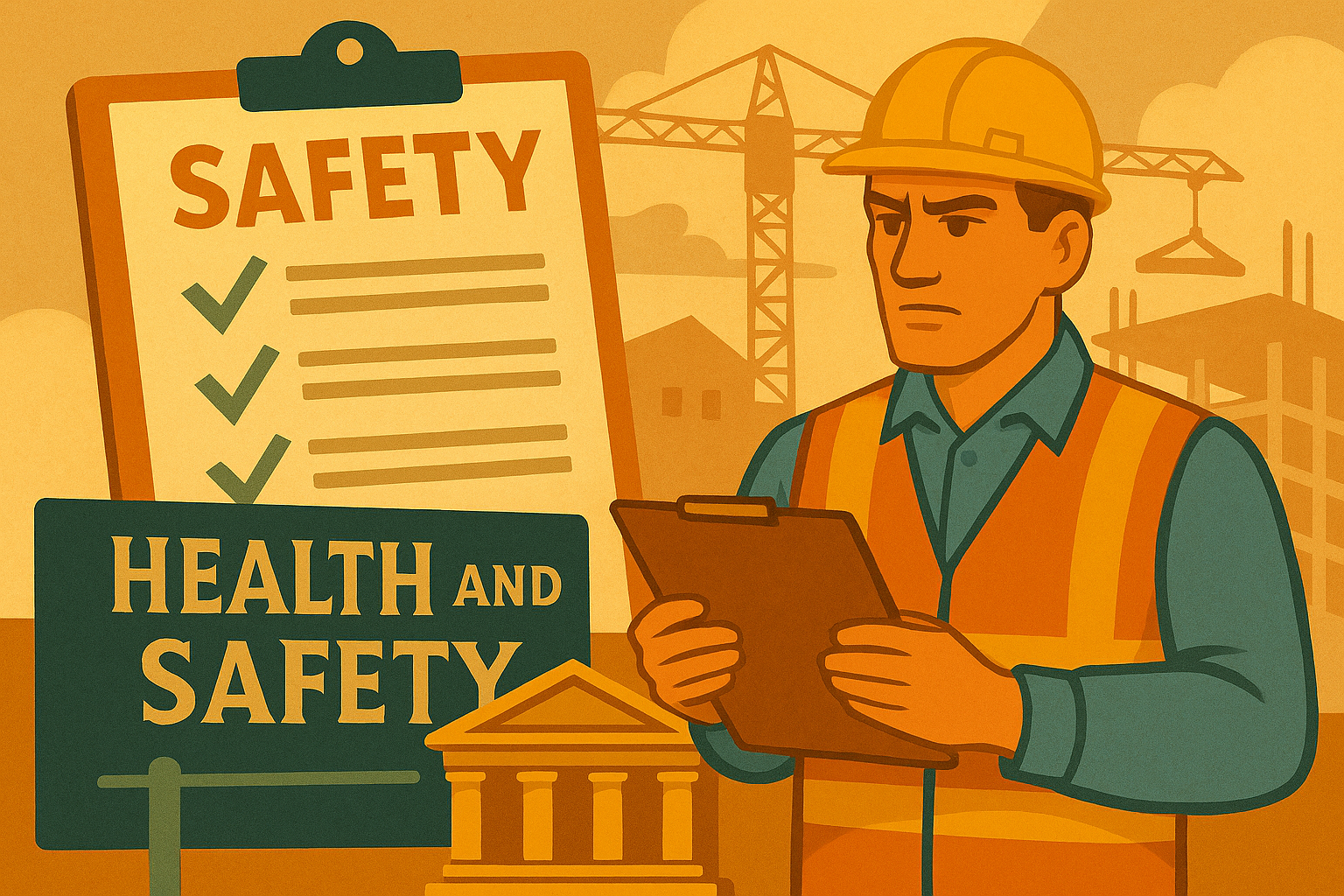

Your Guide to Industrial Disease Compensation Claims in Northern Ireland

It is possible to bring a claim for compensation against an employer should you or a loved one suffer from an industrial disease or an industrial injury. If you live in Northern Ireland and you require advice from an industrial disease solicitor, Lacey Solicitors may have the answers you need.


What is Classed as an Industrial Disease?


The Health and Safety at Work Legislation in Northern Ireland set out clear regulations on what an employer must do to provide for the care of an employee. When an employer fails in this duty of care industrial accidents happen.  Industrial injuries and industrial diseases are the possible results.

An industrial illness is one contracted at work, or due to hazardous materials which you work (or worked) with. You must have been employed when the disease, injury, or illness was contracted. These problems often arise due to unsafe working conditions. If your employer did not facilitate PPE or alternatively did not take steps to protect you from industrial injuries during your employment, you may be able to pursue a claim for compensation.


Common Examples of Industrial Diseases


Thankfully, due to increased awareness and campaigns from the Health and Safety Executive  industrial diseases themselves are no longer common due to improved health and safety in the workplace.  Unfortunately there are some situations where they can still  occur. Our office are regularly instructed in relation to the following types of cases:

  •  Asbestos Related Diseases – Asbestosis is a serious lung condition causing scar tissue and inflammation inside the lungs. Asbestos was a widely used building material up until the early nineties. Construction workers from this era might suffer from this chronic lung condition.
  •  Skin Diseases – Dermatitis and Psoriasis are common skin conditions which occur when the skin comes into contact with certain chemicals. Your employer should provide you with safety gloves and equipment. Otherwise you may have grounds for a claim for compensation.
  •  Repetitive Strain Injuries (RSI) – RSI include Carpal Tunnel syndrome, vibration related white finger, overuse injuries and certain chronic pain syndromes. Read more about Repetitive Strain Injury here.
  • Hearing Loss – If your employment exposed you to continuous loud sounds without ear protection, you could bring a claim for compensation against an employer.


How Long Does an Industrial Injury Claim Take?


This is one of our most frequently asked questions and often one of the hardest to answer.   Most straightforward industrial disease claims, where liability is admitted and all parties are identified can be brought to a suitable resolution within 12 months from our office being instructed.

If your claim for compensation after an industrial accident is not straightforward, perhaps where the injury is particularly severe, or where parties are unknown, or liability is disputed, it will in all likelihood take longer to resolve.

Our advice, as ever, is to hire a professional legal team to represent and initiate the claims process just as soon as you become aware of the injury.


How Much Can I Get in Compensation?


There is no way to tell without gaining the advice of an expert. Industrial injury solicitors like Lacey Solicitors are skilled in Northern Irish compensation claim law. Get in touch with our professional, friendly, and reassuringly experienced team today to discuss your industrial injuries claim.


Seek Advice on a Potential Industrial Disease/Industrial Injury Claim


If you think you may be eligible for compensation due to an industrial injury or disease, then seeking legal advice is the next logical step. Lacey Solicitors have a Belfast branch who are skilled at handling industrial disease claims in Northern Ireland. Contact us now to discuss your situation in greater detail and get the legal advice you require in order to move on with your life.


Call Lacey Solicitors Today on 028 9089 6540.


How to Stay Safe During Dangerous Weather Conditions: A Guide for Employers and Employees

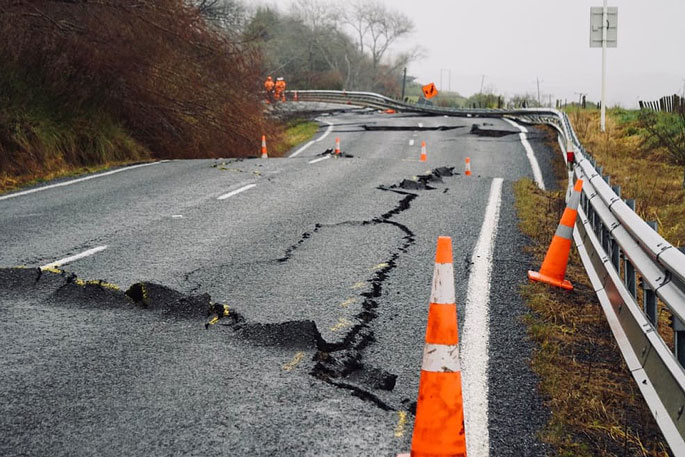
As winter sets in, Ireland experiences colder temperatures, shorter daylight hours, and an increase in dangerous weather conditions like snow, ice, and heavy rain. These conditions can significantly increase the risk of accidents, especially slips, trips, and falls, which are common during the autumn and winter months. With many employees commuting in the dark and the weather worsening, it’s important to take proactive steps to ensure safety in the workplace.


In this article, we will provide guidance on how both employers and employees can stay safe during dangerous weather conditions and reduce the risk of accidents in the workplace.

What Should Employers Do to Prevent Accidents?


As the weather deteriorates, it’s essential that employers take appropriate steps to reduce the risks posed by icy conditions and hazardous outdoor environments. Here are some key actions your employer should take to protect their workforce:

  1. Grit Walkways and Entrances:
    If ice or snow is forecast, it is essential for employers to ensure that all walkways, pedestrian entrances, and paths are properly gritted. Grit (or rock salt) helps prevent the formation of ice, but it takes time to work, so the best practice is to grit the evening before the temperatures are expected to dip below freezing and again in the morning before employees arrive. Regular gritting throughout the day may also be necessary during ongoing weather conditions.

  2. Winter Weather Risk Assessments:
    A responsible employer should conduct a thorough risk assessment to identify any potential hazards that may arise due to dangerous weather conditions. These might include:

    • Paths under trees that are at risk of becoming slippery from falling leaves.
    • Blocked gutters that may cause excess water to spill onto pathways.
    • Areas that are perpetually shaded, leading to the build-up of moss, algae, or ice.
    • Poorly lit areas where it may be difficult to spot potential hazards like ice or debris.
  3. Ensure Proper Drainage:
    Ensure that drainage grids are free from obstructions to allow for the smooth flow of water. This will prevent water from pooling on walkways and causing further slip hazards.

  4. Clear Outdoor Paths and Walkways Regularly:
    Regularly clear paths of fallen leaves, moss, and other debris. Employers should also prune back overhanging trees or shrubs that may obstruct walkways or contribute to dangerous conditions.

  5. Non-slip Mats and Wet Floor Signage:
    Provide non-slip mats at entrances to buildings to help absorb moisture and prevent slips. Additionally, ensure that wet floor signs are clearly visible in areas that are likely to be slippery due to incoming weather conditions.

  6. Communicate Policies to Employees:
    Make sure all employees are aware of the firm’s winter or dangerous weather policy, including the steps to take when encountering hazardous conditions. Encourage them to report any hazards they notice on the premises.


What Can Employees Do to Stay Safe?


While employers have a responsibility to ensure workplace safety, employees also play a crucial role in maintaining a safe working environment during dangerous weather. Read our article on the steps and employee can take:

  1. Report Hazards Promptly:
    If you notice a potential hazard, such as a build-up of leaves, blocked drainage, or slippery surfaces, report it to your employer immediately. Prevention is always better than dealing with an injury.

  2. Wear Appropriate Footwear:
    When working outdoors in dangerous weather conditions, ensure you are wearing sturdy, non-slip footwear. This is one of the simplest ways to avoid slipping or falling.

  3. Familiarise Yourself with Company Policies:
    Make sure you understand your company’s winter or dangerous weather and risk assessment policies. Know what to do in case of an emergency or hazardous conditions and follow the safety procedures laid out by your employer.

  4. Be Mindful of Your Surroundings:
    Always be aware of any hazards on your way into and out of the workplace. Take extra caution when walking in poorly lit areas, and avoid rushing if conditions are slippery.


Additional Tips for Staying Safe in Dangerous Weather


In addition to workplace safety, it’s also important to take steps to stay safe in your personal life, especially if you need to travel during extreme weather conditions. Here’s how you can protect yourself:

  1. Avoid Unnecessary Travel:
    If dangerous weather is forecast, the first and most important rule is to ask yourself: “Do I really need to go out?” Driving in heavy rain, snow, or high winds can be dangerous, especially with fallen debris and flooded roads. Only travel if absolutely necessary, and ensure you check local weather reports for any disruptions.

  2. Driving in Dangerous Weather:
    If you must drive, ensure you are prepared:

    • Keep a firm grip on the wheel, especially when driving over bridges or in areas with little shelter from the wind.
    • Avoid overtaking other vehicles when wind conditions are high.
    • Slow down and drive cautiously when visibility is poor or when there is standing water on the road.
    • Always carry essential supplies such as food, water, blankets, and a fully charged phone in case of emergency.
  3. Stay Indoors During Storms:
    During extreme weather like storms, stay inside as much as possible. Avoid walking near buildings, trees, or fences that could collapse due to strong winds or flying debris. Listen for weather updates on the radio and TV to stay informed about any safety risks.

  4. Prepare for Power Cuts:
    In case of power loss, turn off non-essential appliances but leave a light on to indicate when power has been restored. Ensure you have warm clothing, a flashlight, and any necessary supplies ready in case you need them.

  5. Take a note of important numbers:

The Health and Safety Executive in Northern Ireland has a list of emergency contact numbers on their website that you should save in case you need them.


What to Do After a Storm


Once a storm has passed, be sure to check for any damage to your home, workplace, or property. Here are some key actions to take:

  • Contact your insurance company to report damage as soon as possible.
  • Avoid walking around exposed electrical lines or other hazards.
  • If necessary, arrange for emergency repairs to prevent further damage.
  • Keep receipts for any repairs or emergency services as they may be needed for your claim.


Can You Claim Compensation for an Accident?


If you suffer an accident at work due to dangerous weather conditions, you may be entitled to compensation, especially if your employer failed to implement necessary safety measures or carry out a proper risk assessment. If you’ve experienced an injury due to slipping on an icy surface or other weather-related hazard, contact a personal injury lawyer to discuss your options. Our team at Lacey Solicitors is here to provide expert advice on your case.

Call our Belfast office on 028 9089 6540 or complete our online contact form to arrange a consultation. Our friendly team is here to guide you through every step of the claims process and help you secure the compensation you’re entitled to.

Case Study – Ciara’s £6,000 Settlement for her Allergic Reaction Work Accident Claim in Belfast

Case Study: Successful Work Accident Claim – Ciara’s £6,000 Settlement

Client: Ciara
Settlement: £6,000
Location: Belfast
Case Type: Work Accident Injury Claim


Overview: Ciara’s Work Accident and Injury Claim

Ciara, who suffers from a severe nut allergy, was employed at a popular Belfast hotel. On the day of her accident, a number of new chefs from across the UK and Ireland were testing new menu items. Among the dishes being tested was a chocolate-based dessert containing nuts, which Ciara was unaware of.

Although Ciara did not consume or touch the dessert, she was in close proximity to the kitchen where the dish was being prepared. Within minutes, Ciara began experiencing difficulty breathing and developed a rash, signs of a severe allergic reaction. Upon realizing that the dessert contained nuts, she immediately used her Epipen and was driven to the Royal Victoria Hospital in Belfast for urgent treatment.


Why Ciara Contacted Lacey Solicitors

Feeling frustrated and concerned about her safety at work, Ciara sought legal advice from Lacey Solicitors’ personal injury team. She was given a free, no-obligation consultation with Ruaidhri Austin, Partner at Lacey Solicitors.

After discussing her case, Ciara decided to pursue a personal injury claim against her employer for failing to ensure her safety in the workplace.   Lacey Solicitors were impressed at the steps taken by Ciara following the accident at work Ruaidhri sent a formal letter of claim to the hotel’s management and arranged for medical reports from an emergency medicine consultant from Royal Victoria Hospital in Belfast to support Ciara’s case.


The Employer Denies Liability

Ciara’s employer quickly denied any liability, arguing that they had taken all reasonable steps to ensure her safety. Their Insurance company claimed Ciara’s allergic reaction was not caused by the menu testing event, denying the presence of any nuts in the kitchen that day. The employer also suggested that Ciara may have encountered nuts elsewhere prior to her shift.

Lacey Solicitors rejected these claims on Ciara’s behalf and immediately issued court proceedings against her employer claiming that they were in breach of the Health and Safety at Work Order 1978, the Control of Substances Hazardous to Health Regulations (NI) 2003 and the Management of Health and Safety at Work regulations (NI) 2000.


Settlement Negotiations and Legal Strategy

The insurance company on behalf of Ciara’s employers appointed Solicitors to Defend the case. They maintained that the injury was minimal lasting no more than 30 minutes and that the matter should be dismissed by the court. Furthermore, they warned Ciara that if the case proceeded, she could be ordered to pay their legal fees.

Lacey Solicitors firmly disagreed with the their position, advising Ciara that she had a strong case and should continue with the legal process.

Ciara’s employers solicitors eventually agreed to enter into settlement discussions. Although they initially proposed a minimal compensation amount, arguing that Ciara’s injury lasted only about 30 minutes, Lacey Solicitors successfully negotiated a settlement of £6,000 for Ciara’s injury, as well as her legal fees.  Ciara received her compensation four months after we issued legal proceedings.


Why Choose Lacey Solicitors for Your Work Accident Claim

At Lacey Solicitors, with offices in Belfast and Dublin, we have a reputation as experts in insurance law and are committed to ensuring you receive fair compensation for injuries sustained in the workplace. Our expert team offers tailored legal advice, guidance, and representation to support you throughout the claims process.


Contact Lacey Solicitors in Belfast Today

If you’ve been injured at work, you can trust Lacey Solicitors to guide you through the claims process. We offer a free initial consultation with one of our expert solicitors who will help you understand your legal options.

Get in touch today using our online form to speak with a trusted accident at work solicitor in Belfast. We’re committed to providing you with expert legal advice and representation to help you get the compensation you deserve.

Accidents in the Workplace: Farming and Agriculture

The farming and agriculture industry in Northern Ireland and the UK has a disproportionately high number of accidents and fatalities when compared to other industries.

Farming and agricultural workers represent approximately 1% of the workforce in Northern Ireland. Nevertheless, this industry has the highest workplace fatality rate of all others. 

Farmers, like any worker, should be properly compensated for their injuries if they were involved in an incident that was not their fault. Seeking personal injury compensation after an animal handling incident, an injury caused by farm equipment, or an injury caused by driving a farm vehicle, is how an employee might look to recover both financially and physically from an incident. 


Serious Statistics Show NI Farm Workers are at Risk of Workplace Injuries


Farming and agriculture is a dangerous industry which has a long history of high fatality rates in Northern Ireland. During the period 2023-2024 there were 8 accidents in this sector which resulted in a workplace death. Of the total of 17 workplace deaths during that same period, farming and agricultural incidents represent 47% of all workplace fatalities.

Speaking at the 12th annual Farm Safety Week in July 2024, Robert Kidd, Chief Executive of the Health and Safety Executive for Northern Ireland said that the agriculture industry had “once again proved to have the poorest safety record of any industry in Northern Ireland.”

Mr Kidd added that thousands of farmers suffered every day due to serious injuries, long term health complaints, and poor mental health.


Common Types of Farming Accidents


There are common types of personal injury which farm workers experience. Falling from height is a common accident on a farm. Stacking hay bales and operating heavy machinery can result in trapped body parts. Repetitive strain injuries (RSI) are not uncommon.

Amputations, loss of limbs, animal handling incidents, and machinery operating are all common causes of agricultural accidents. Slips, trips, and falls are all common on the farm as are catastrophic injuries which can result in death.


Farming and Agricultural Work Accidents Go Beyond Physical Injuries


Here at Lacey Solicitors firm we understand the devastation that a farming injury can have on families. Physical injuries caused by faulty machinery or heavy farming equipment are incredibly difficult to deal with. However, farm trips, slips, falls, or other accidents also can have a lasting impact which goes beyond physical health.

Farmers who have long term health problems after an injury can lose income due to their limited mobility. This can have a knock-on effect on their mental health, leaving them unable to fully provide for their families which leads to financial instability. Seeking compensation for your personal injury at work on the farm could ensure you and your family are protected, should the worst happen.


Bring a Claim for Compensation to Cover the Cost of Farming Injuries


Have you been injured due to an accident on a farm? Do you work in the agriculture sector and need a trusted source to turn to for advice regarding how to bring a claim for compensation to cover the cost of your injuries after an accident?

Lacey Solicitors Belfast are here to help. Contact us today to discuss your options in bringing a compensation claim after your workplace accident.


Steps to Take if You Suffer A Personal Injury at Work

Although statistically most accidents occur at home, many people in Northern Ireland spend a significant amount of time at work. If you’re injured on the job, it’s crucial to follow the proper steps if you plan to seek compensation.

Workplace accidents, whether a trip, fall, slip, or serious injury involving equipment, can be devastating and a real source of anxiety. Often, people neglect to address these incidents, even though they can cause lasting damage.

Workplace accidents can lead to serious injuries, such as broken bones, crushed limbs, or amputations. If this occurs, you have the right to seek legal representation and consider a compensation claim. Taking this step not only supports your recovery but can also help prevent similar incidents in the future.


What To Do if You Are Injured At Work


After an injury at work, your priority should be recovery. Take the time you need to heal and consult with your doctor and any specialists they recommend.

During this time, keep a detailed record of the incident, photograph your injury and progress, and save all related receipts. This documentation will be valuable if you decide to pursue a compensation claim with your employer’s insurance.


What if My Employer Doesn’t Have Insurance?


By law, all employers in Northern Ireland must have Employers Liability (EL) insurance and be insured for at least £5 million. Most insurers automatically provide cover of at least £10 million.

Employers’ liability (EL) insurance enables businesses to meet the costs of damages and legal fees for employees who are injured or made ill at work through the fault of the employer. Employees injured due to an employer’s negligence can seek compensation even if the business goes into liquidation or receivership.

The Health and Safety Executive for Northern Ireland (HSENI) is responsible for enforcing the law on EL insurance and have issued guidance for employers. An employer can be fined up to £2,500 for each day that they do not have appropriate insurance.

Lacey Solicitors in Belfast can carry out checks against an employer to establish whether or not they have insurance if you have been injured at work.


Steps to Take After an Accident at Work in Northern Ireland

If you’re injured at work, taking the right steps is crucial to protect your interests and strengthen your compensation claim. Here’s what you should do after a workplace accident:

STEP ONE – Seek Medical Attention
If your injury requires hospital care, ensure you take a colleague with you. This helps prevent your employer from denying the accident occurred.

STEP TWO – Report the Injury to Your Employer
It’s important to immediately report the injury to your employer. UK businesses are required to maintain an accident record book. If your employer fails to document the incident, follow up with an email detailing the accident, the time it occurred, and any medical treatment you received.

STEP THREE – Document Your Recovery
Record your recovery journey by taking photographs or videos of your injury and its progress. Keeping a daily log of your healing process helps illustrate the pain and suffering you endured, which can be essential in a legal claim.

STEP FOUR – Collect Witness Statements
Gather contact details and statements from anyone who witnessed the accident, as well as anyone who accompanied you to the hospital. This evidence can strengthen your case when pursuing compensation and can greatly assist your legal team.

By following these steps after a workplace injury, you ensure your rights are protected and can make it easier to pursue a compensation claim for your injuries.


Injured at Work? Seek Legal Advice


Lacey Solicitors, with offices in Belfast and Dublin, is a leading insurance and injury law firm. We represent both insurers in defending claims and innocent victims of injury. Our unique position, acting for both claimants and defendants across Ireland, gives us valuable insight into each case, enabling us to deliver tailored and effective legal solutions for the best chance of success.


If you have been injured at work, contact Lacey Solicitors using our online portal for trusted personal injury legal assistance.


Injured at Work in Northern Ireland? Legal Fees and Starting a Work Accident Claim Explained.

NI work accidents occur when your employer fails to make your workplace a safe working environment. Work accidents can have serious repercussions, leaving you unable to work, losing income and in pain.

Making a claim for compensation will help you recover your losses after a trip, fall, fall from height, manual handling accident, or any other form of accident at work. Lacey Solicitors are an experienced team able to provide you with representation to guide you through your work accident claim.

Here is what you need to know about NI work accident compensation claims before you begin.


Eligibility: Are You Eligible for a Work Accident Claim?


Before you can bring a claim for compensation after an accident at work, you must meet the conditions which make you eligible. Firstly, you must make the claim within three years of the date of the workplace accident. Next, you must prove that your accident happened due to a third party’s negligence.


How Much Compensation Can You Get for a Work Accident in Belfast?


Medical expenses, any lost income, and the price allocated to your pain and suffering are all considered when you make a claim for compensation after an accident at work. The level of compensation awarded to you in respect to your pain and suffering varies but is designed to measure the hardships you have endured thanks to your NI/Belfast accident.


How Do You Start a Claim for a Work Accident in NI?


From Antrim to Fermanagh the process for making a claim for compensation after a workplace accident in NI is the same. The process for making a claim is as follows:

  •       Make yourself safe and ensure the safety of others.
  •       Seek medical attention to address your immediate injuries.
  •       Report your accident, including using an accident book to record it within the workplace.  This should stop the accident happening to one of your colleagues.
  •       Contact a work accident claims solicitor near you.
  •       The solicitor will investigate the accident and give you some preliminary advice.
  •       Your solicitor will need a medical report on your injuries and will send you to a Consultant for an examination and prognosis.
  •       Your solicitor will obtain an admission of liabilty and will enter into negotiations with the third party.
  •       If negotiations are sucessful, the claim will resolve and you will receive the compensation.
  •       If negotiations are unsucessful your solicitor will advise you on the next steps.

No Win, No Fee Solicitors for Work Accident Claims in NI?


Many people are unaware that no win, no fee agreements are prohibited within Northern Ireland. While no win, no fee compensation claims might be the norm in England and Wales, they do not apply in Northern Ireland.

Any solicitor in NI acting on a no win no fee basis may be doing so unlawfully.

If you are successful in your claim, then your court or solicitor costs will be covered by the other party involved.


Experienced Work Accident Claim Solicitors Near You


Whether you live in Armagh or Derry or Cork you can find the help you need through Lacey Solicitors. We can give you expert guidance and insider knowledge on how to proceed after an accident at work. If you have been injured by a work vehicle, have mishandled hazardous substances due to lack of training, or are injured using poorly maintained equipment, you may be eligible to make a claim.

Contact Lacey Solicitors using our Online Portal and a Solicitor will contact you within 24 hours to discuss your claim.

What is a Workplace Accident Claim in NI: Guidance from Lacey Solicitors Belfast

Have you had an accident while you were at work? Did it seriously impact your health or your ability to earn? Has an industrial accident changed your life? Making a work accident claim could help you secure the financial resources you need during your recovery.

Having an accident in the workplace can leave you with health concerns that you do not know how to deal with. If you feel you do not know where to turn in the event of a workplace accident, then seeking legal advice could be your best course of action.

Forewarned is forearmed. If you understand the process of making a work accident claim in Northern Ireland, then you are better equipped if it happens to you.


What is A Work Accident Claim?


When you are injured in the workplace through negligence or a breach in the duty of care your employer has towards you, then you may make a claim for compensation for your injuries. Your employer has a statutory duty towards you while you are in the workplace. This duty, broadly speaking, is to protect you from any harm the tasks they hire you to complete might cause.


Can You Make a Workplace Accident Claim in NI?


To make a claim for compensation after an accident at work in NI, you must make the claim within three years of the date of your accident taking place. If you meet this criteria, then you must also prove that your employer broke their statutory duty towards you. This breach of their duty to care for you while on their premises or conducting work-related activities must have resulted in an accident.


What is a Statutory Duty of Care?


The Statutory Duty of Care is part of your employer’s responsibilities towards you while you are working for them. Your employer has a duty to ensure your health and safety while you conduct work related activities. Your employer must take all possible reasonable actions to protect your safety. An example is making machinery safe, implementing risk assessments, and ensuring that you have the correct safety gear for the job.

Failing to protect you from harm while you are performing tasks on your employer’s behalf is a breach of this duty. If you make a claim for compensation after a work accident in Belfast or the surrounding areas then you must prove that your employer breached this duty.


Types of Workplace Accident in NI


There are many different kinds of workplace accident. If you experience any of the following, then you should seek legal advice:

  •       Slips, trips, and falls which could have been avoided
  •       Falling from heights and injuring yourself, for example by falling from scaffolding.
  •       Lack of protective equipment can cause injuries, disease, or worse.
  •       Failure to implement appropriate safety measures, particularly in regard to machinery and safe operation.
  •       Lack of training – those expected to operate heavy equipment without appropriate training cannot be blamed should something go wrong.
  •       Old or ineffective equipment such as blunt tools
  •       Contact with toxic or hazardous chemicals
  •       Lifting and carrying incorrectly
  •       Fleet or vehicular incidents

What To Do If You are Injured at Work?


If you encounter an accident at work and you live in Northern Ireland, then there are steps you should take after your accident to legally protect your interests.

First, seek medical help and ensure your safety. Next, report the accident to the appropriate managers. Make sure you fill in an accident report form. Afterwards, begin the process of evidence gathering to back up your claim.

Finally, reach out to Lacey Solicitors using our secure Online Portal. Our law firm can offer expert legal advice which could help you achieve the compensation you deserve.

Construction Site Safety: The Role of the Project Supervisor and Contributory Negligence


A recent judgment by Mr Justice Sanfey examined the role of the Project Supervisor on a construction site and clarified the extent of a contractor’s duties under the Safety, Health and Welfare at Work (Construction) Regulations 2013.


Duty of the Project Supervisor in Construction Site Safety


The Court accepted the Defendant’s argument that a contractor or Project Supervisor is not under an absolute duty to ensure a construction site is completely safe and free from risk of injury.

Article 30 of the 2013 Regulations explicitly states that this duty applies “so far as is reasonably practicable”, providing flexibility while maintaining a high standard of safety oversight.


Findings on Liability


In this case:

  • The safety statement prepared by the Defendant was found to be deficient, establishing primary liability with the Defendant.
  • The Plaintiff was found to have contributed to the incident through contributory negligence, by adopting a method of work that was inherently unsafe.

This judgment highlights the balance between contractor responsibilities and the practical limitations of maintaining safety on construction sites.


Warnings for Contractors and Project Supervisors


  1. Reasonable Practicability: When considering Construciton Site Safety, contractors must ensure safety measures are implemented to a reasonable standard, considering cost, time, and practicality.
  2. Safety Statements Matter: A deficient safety statement can expose contractors to primary liability.
  3. Contributory Negligence: Workers or supervisors adopting unsafe methods may reduce the recoverable damages in a claim.
  4. Compliance: Adhering to the 2013 Regulations is crucial to mitigate liability.

This judgment serves as a reminder for Project Supervisors, contractors, and construction firms that while safety obligations are high, they are measured against what is reasonably practicable. Proper planning, effective safety statements, and safe work practices remain critical to protecting both employees and employers.

Fanning v Myerscough & Anor: Implications for Insurance Defence in Employers’ Liability Claims

In Fanning v Myerscough & Anor [2012] IEHC 128, the plaintiff, Mr. Fanning, sustained a serious foot injury while alighting from a tractor during his employment at Baroda Stud. The tractor’s door swung open unexpectedly, causing him to lose balance and fall. The court found that the tractor’s restraining strut was defective, breaching the employer’s statutory duty to maintain safe equipment.


Legal Considerations for Insurance Defence Solicitors in Ireland


1. Breach of Statutory Duty

The court established that the employer failed to maintain the tractor’s restraining strut, constituting a breach of statutory duty. This finding underscores the importance for insurers to assess whether statutory obligations have been met in workplace safety matters.

2. Contributory Negligence

The court assessed contributory negligence at 50%, noting that while the employer breached statutory duty, the plaintiff’s own actions contributed significantly to the accident. This highlights the potential for substantial mitigation of liability when employee conduct is a contributing factor.

3. Causation and Injury Assessment

The court accepted expert evidence linking the plaintiff’s injury to the accident, despite the presence of an underlying vascular condition. This reinforces the need for comprehensive medical evaluations to establish clear causation in injury claims.


Implications for Insurance Defence Lawyers in Ireland


  • Documentation of Safety Measures: Insurers should ensure that employers maintain thorough records of equipment maintenance and safety protocols to defend against claims of statutory breaches.

  • Investigation of Employee Conduct: A detailed investigation into the employee’s actions leading up to the incident can provide grounds for asserting contributory negligence and reducing liability.

  • Expert Medical Testimony: Engaging medical experts to assess the extent of injuries and their connection to the accident is crucial in disputing exaggerated claims.


Conclusion


The Fanning v Myerscough & Anor case serves as a pertinent example for insurance defence professionals, illustrating how contributory negligence can significantly impact the outcome of Employers’ Liability claims. By focusing on the interplay between statutory duties and employee conduct, insurers can develop more effective defence strategies in similar cases.  For more information or to discuss any Employers Liabilty matter, contact us using our secure online portal.