Lacey Solicitors Continues Proud Legacy of Representing Young Solicitors on a National Level with Two New Committee Appointments

Lacey Solicitors is pleased to announce that two of its current solicitors, William Wilson and Aisling Creegan, have been elected onto the committee of the Northern Ireland Young Solicitors’ Association (NIYSA) for the 2025 term. This appointment highlights the continued leadership role Lacey Solicitors plays in representing young solicitors at the national level, further reinforcing its commitment to nurturing the next generation of legal talent.

William Wilson Elected Vice-Chair of NIYSA


William Wilson, property lawyer at Lacey Solicitors, has been elected as the vice-chair of the NIYSA for the upcoming year.   Wilson will play a pivotal role in steering the association through the challenges and opportunities that lie ahead for young solicitors in Northern Ireland.

Aisling Creegan Elected membership secretary of NIYSA


Aisling Creegan, another solicitor from Lacey Solicitors, will serve as the membership secretary of the NIYSA. This new appointment further underscores Lacey Solicitors’ significant influence within the association, as the firm continues to empower young solicitors in the region and provide them with platforms to thrive in their careers.

NIYSA’s Role and Importance


The NIYSA, established in 1984, represents and advocates for young solicitors in Northern Ireland. As a member-driven organisation, the association promotes the interests of solicitors with less than 10 years of post-qualification experience. It offers opportunities for professional development, networking, and the sharing of best practices among its members, all while supporting them through the evolving challenges of the legal profession.

The other committee members are Emma Falloon as Chair, Katherine Macauley as secretary, Shannan Greer as treasurer, Emma Doherty as CPD co-ordinator,  Victoria Kinkaid as social media manager, Tony McCann as membership engagement officer, Morgan Giovanna Pennie as trainee rep and Sarah Swann as LawCare representative.

Lacey Solicitors: A Proud History with NIYSA


Lacey Solicitors’ connection with the NIYSA runs deep, as the firm has a long and proud history of involvement with the association at a national level. Current partner Ruaidhri Austin is a notable example of Lacey Solicitors’ commitment to young solicitor advocacy. Ruaidhri was previously elected as the chairman of the NIYSA, an esteemed role that saw him lead the association through a transformative period. His tenure, which saw a continued emphasis on professional development and member engagement, paved the way for ongoing improvements in how the NIYSA supports its members.

With these recent appointments, Lacey Solicitors maintains its dedication to representing young solicitors and supporting their professional journeys. Both William and Aisling bring invaluable expertise and energy to their respective roles, and Lacey Solicitors is confident that their contributions will help drive the continued success and development of the NIYSA.

As the legal profession faces ongoing changes, including the aftermath of the global pandemic, the need for a strong, supportive network for young solicitors has never been greater. Emma Falloon, the newly elected chair of the NIYSA, has expressed her commitment to strengthening engagement with members across Northern Ireland and beyond. She aims to continue building lasting connections with counterparts in the UK, Ireland, Europe, and further afield, all while fostering the mental health and well-being of young solicitors through continued collaboration with organisation like LawCare.

Lacey Solicitors’ continued involvement in the NIYSA is a testament to the firm’s dedication to fostering a supportive, dynamic, and resilient legal community. With William Wilson and Aisling Creegan joining the ranks of the NIYSA’s leadership, the firm’s commitment to empowering young solicitors is stronger than ever, ensuring that they are well-equipped to meet the challenges of the modern legal landscape.

Conclusion


Lacey Solicitors extends its congratulations to both William and Aisling on their appointments and looks forward to seeing the positive impact they will undoubtedly have on the NIYSA and the wider legal profession in Northern Ireland.

How to Stay Safe During Dangerous Weather Conditions: A Guide for Employers and Employees

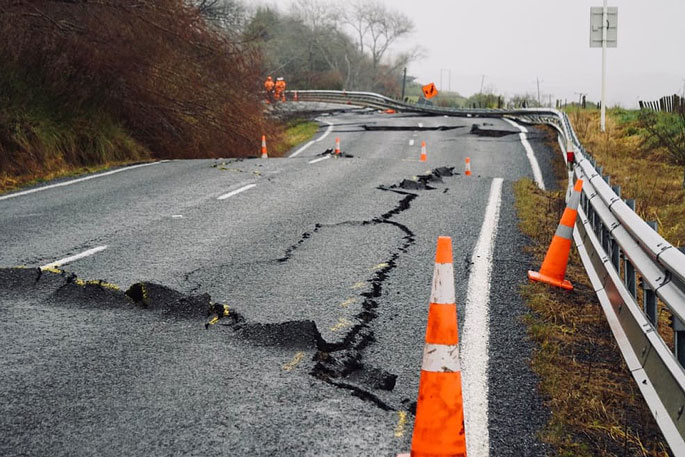
As winter sets in, Ireland experiences colder temperatures, shorter daylight hours, and an increase in dangerous weather conditions like snow, ice, and heavy rain. These conditions can significantly increase the risk of accidents, especially slips, trips, and falls, which are common during the autumn and winter months. With many employees commuting in the dark and the weather worsening, it’s important to take proactive steps to ensure safety in the workplace.


In this article, we will provide guidance on how both employers and employees can stay safe during dangerous weather conditions and reduce the risk of accidents in the workplace.

What Should Employers Do to Prevent Accidents?


As the weather deteriorates, it’s essential that employers take appropriate steps to reduce the risks posed by icy conditions and hazardous outdoor environments. Here are some key actions your employer should take to protect their workforce:

  1. Grit Walkways and Entrances:
    If ice or snow is forecast, it is essential for employers to ensure that all walkways, pedestrian entrances, and paths are properly gritted. Grit (or rock salt) helps prevent the formation of ice, but it takes time to work, so the best practice is to grit the evening before the temperatures are expected to dip below freezing and again in the morning before employees arrive. Regular gritting throughout the day may also be necessary during ongoing weather conditions.

  2. Winter Weather Risk Assessments:
    A responsible employer should conduct a thorough risk assessment to identify any potential hazards that may arise due to dangerous weather conditions. These might include:

    • Paths under trees that are at risk of becoming slippery from falling leaves.
    • Blocked gutters that may cause excess water to spill onto pathways.
    • Areas that are perpetually shaded, leading to the build-up of moss, algae, or ice.
    • Poorly lit areas where it may be difficult to spot potential hazards like ice or debris.
  3. Ensure Proper Drainage:
    Ensure that drainage grids are free from obstructions to allow for the smooth flow of water. This will prevent water from pooling on walkways and causing further slip hazards.

  4. Clear Outdoor Paths and Walkways Regularly:
    Regularly clear paths of fallen leaves, moss, and other debris. Employers should also prune back overhanging trees or shrubs that may obstruct walkways or contribute to dangerous conditions.

  5. Non-slip Mats and Wet Floor Signage:
    Provide non-slip mats at entrances to buildings to help absorb moisture and prevent slips. Additionally, ensure that wet floor signs are clearly visible in areas that are likely to be slippery due to incoming weather conditions.

  6. Communicate Policies to Employees:
    Make sure all employees are aware of the firm’s winter or dangerous weather policy, including the steps to take when encountering hazardous conditions. Encourage them to report any hazards they notice on the premises.


What Can Employees Do to Stay Safe?


While employers have a responsibility to ensure workplace safety, employees also play a crucial role in maintaining a safe working environment during dangerous weather. Read our article on the steps and employee can take:

  1. Report Hazards Promptly:
    If you notice a potential hazard, such as a build-up of leaves, blocked drainage, or slippery surfaces, report it to your employer immediately. Prevention is always better than dealing with an injury.

  2. Wear Appropriate Footwear:
    When working outdoors in dangerous weather conditions, ensure you are wearing sturdy, non-slip footwear. This is one of the simplest ways to avoid slipping or falling.

  3. Familiarise Yourself with Company Policies:
    Make sure you understand your company’s winter or dangerous weather and risk assessment policies. Know what to do in case of an emergency or hazardous conditions and follow the safety procedures laid out by your employer.

  4. Be Mindful of Your Surroundings:
    Always be aware of any hazards on your way into and out of the workplace. Take extra caution when walking in poorly lit areas, and avoid rushing if conditions are slippery.


Additional Tips for Staying Safe in Dangerous Weather


In addition to workplace safety, it’s also important to take steps to stay safe in your personal life, especially if you need to travel during extreme weather conditions. Here’s how you can protect yourself:

  1. Avoid Unnecessary Travel:
    If dangerous weather is forecast, the first and most important rule is to ask yourself: “Do I really need to go out?” Driving in heavy rain, snow, or high winds can be dangerous, especially with fallen debris and flooded roads. Only travel if absolutely necessary, and ensure you check local weather reports for any disruptions.

  2. Driving in Dangerous Weather:
    If you must drive, ensure you are prepared:

    • Keep a firm grip on the wheel, especially when driving over bridges or in areas with little shelter from the wind.
    • Avoid overtaking other vehicles when wind conditions are high.
    • Slow down and drive cautiously when visibility is poor or when there is standing water on the road.
    • Always carry essential supplies such as food, water, blankets, and a fully charged phone in case of emergency.
  3. Stay Indoors During Storms:
    During extreme weather like storms, stay inside as much as possible. Avoid walking near buildings, trees, or fences that could collapse due to strong winds or flying debris. Listen for weather updates on the radio and TV to stay informed about any safety risks.

  4. Prepare for Power Cuts:
    In case of power loss, turn off non-essential appliances but leave a light on to indicate when power has been restored. Ensure you have warm clothing, a flashlight, and any necessary supplies ready in case you need them.

  5. Take a note of important numbers:

The Health and Safety Executive in Northern Ireland has a list of emergency contact numbers on their website that you should save in case you need them.


What to Do After a Storm


Once a storm has passed, be sure to check for any damage to your home, workplace, or property. Here are some key actions to take:

  • Contact your insurance company to report damage as soon as possible.
  • Avoid walking around exposed electrical lines or other hazards.
  • If necessary, arrange for emergency repairs to prevent further damage.
  • Keep receipts for any repairs or emergency services as they may be needed for your claim.


Can You Claim Compensation for an Accident?


If you suffer an accident at work due to dangerous weather conditions, you may be entitled to compensation, especially if your employer failed to implement necessary safety measures or carry out a proper risk assessment. If you’ve experienced an injury due to slipping on an icy surface or other weather-related hazard, contact a personal injury lawyer to discuss your options. Our team at Lacey Solicitors is here to provide expert advice on your case.

Call our Belfast office on 028 9089 6540 or complete our online contact form to arrange a consultation. Our friendly team is here to guide you through every step of the claims process and help you secure the compensation you’re entitled to.

Case Study – Ciara’s £6,000 Settlement for her Allergic Reaction Work Accident Claim in Belfast

Case Study: Successful Work Accident Claim – Ciara’s £6,000 Settlement

Client: Ciara
Settlement: £6,000
Location: Belfast
Case Type: Work Accident Injury Claim


Overview: Ciara’s Work Accident and Injury Claim

Ciara, who suffers from a severe nut allergy, was employed at a popular Belfast hotel. On the day of her accident, a number of new chefs from across the UK and Ireland were testing new menu items. Among the dishes being tested was a chocolate-based dessert containing nuts, which Ciara was unaware of.

Although Ciara did not consume or touch the dessert, she was in close proximity to the kitchen where the dish was being prepared. Within minutes, Ciara began experiencing difficulty breathing and developed a rash, signs of a severe allergic reaction. Upon realizing that the dessert contained nuts, she immediately used her Epipen and was driven to the Royal Victoria Hospital in Belfast for urgent treatment.


Why Ciara Contacted Lacey Solicitors

Feeling frustrated and concerned about her safety at work, Ciara sought legal advice from Lacey Solicitors’ personal injury team. She was given a free, no-obligation consultation with Ruaidhri Austin, Partner at Lacey Solicitors.

After discussing her case, Ciara decided to pursue a personal injury claim against her employer for failing to ensure her safety in the workplace.   Lacey Solicitors were impressed at the steps taken by Ciara following the accident at work Ruaidhri sent a formal letter of claim to the hotel’s management and arranged for medical reports from an emergency medicine consultant from Royal Victoria Hospital in Belfast to support Ciara’s case.


The Employer Denies Liability

Ciara’s employer quickly denied any liability, arguing that they had taken all reasonable steps to ensure her safety. Their Insurance company claimed Ciara’s allergic reaction was not caused by the menu testing event, denying the presence of any nuts in the kitchen that day. The employer also suggested that Ciara may have encountered nuts elsewhere prior to her shift.

Lacey Solicitors rejected these claims on Ciara’s behalf and immediately issued court proceedings against her employer claiming that they were in breach of the Health and Safety at Work Order 1978, the Control of Substances Hazardous to Health Regulations (NI) 2003 and the Management of Health and Safety at Work regulations (NI) 2000.


Settlement Negotiations and Legal Strategy

The insurance company on behalf of Ciara’s employers appointed Solicitors to Defend the case. They maintained that the injury was minimal lasting no more than 30 minutes and that the matter should be dismissed by the court. Furthermore, they warned Ciara that if the case proceeded, she could be ordered to pay their legal fees.

Lacey Solicitors firmly disagreed with the their position, advising Ciara that she had a strong case and should continue with the legal process.

Ciara’s employers solicitors eventually agreed to enter into settlement discussions. Although they initially proposed a minimal compensation amount, arguing that Ciara’s injury lasted only about 30 minutes, Lacey Solicitors successfully negotiated a settlement of £6,000 for Ciara’s injury, as well as her legal fees.  Ciara received her compensation four months after we issued legal proceedings.


Why Choose Lacey Solicitors for Your Work Accident Claim

At Lacey Solicitors, with offices in Belfast and Dublin, we have a reputation as experts in insurance law and are committed to ensuring you receive fair compensation for injuries sustained in the workplace. Our expert team offers tailored legal advice, guidance, and representation to support you throughout the claims process.


Contact Lacey Solicitors in Belfast Today

If you’ve been injured at work, you can trust Lacey Solicitors to guide you through the claims process. We offer a free initial consultation with one of our expert solicitors who will help you understand your legal options.

Get in touch today using our online form to speak with a trusted accident at work solicitor in Belfast. We’re committed to providing you with expert legal advice and representation to help you get the compensation you deserve.

Accidents in the Workplace: Farming and Agriculture

The farming and agriculture industry in Northern Ireland and the UK has a disproportionately high number of accidents and fatalities when compared to other industries.

Farming and agricultural workers represent approximately 1% of the workforce in Northern Ireland. Nevertheless, this industry has the highest workplace fatality rate of all others. 

Farmers, like any worker, should be properly compensated for their injuries if they were involved in an incident that was not their fault. Seeking personal injury compensation after an animal handling incident, an injury caused by farm equipment, or an injury caused by driving a farm vehicle, is how an employee might look to recover both financially and physically from an incident. 


Serious Statistics Show NI Farm Workers are at Risk of Workplace Injuries


Farming and agriculture is a dangerous industry which has a long history of high fatality rates in Northern Ireland. During the period 2023-2024 there were 8 accidents in this sector which resulted in a workplace death. Of the total of 17 workplace deaths during that same period, farming and agricultural incidents represent 47% of all workplace fatalities.

Speaking at the 12th annual Farm Safety Week in July 2024, Robert Kidd, Chief Executive of the Health and Safety Executive for Northern Ireland said that the agriculture industry had “once again proved to have the poorest safety record of any industry in Northern Ireland.”

Mr Kidd added that thousands of farmers suffered every day due to serious injuries, long term health complaints, and poor mental health.


Common Types of Farming Accidents


There are common types of personal injury which farm workers experience. Falling from height is a common accident on a farm. Stacking hay bales and operating heavy machinery can result in trapped body parts. Repetitive strain injuries (RSI) are not uncommon.

Amputations, loss of limbs, animal handling incidents, and machinery operating are all common causes of agricultural accidents. Slips, trips, and falls are all common on the farm as are catastrophic injuries which can result in death.


Farming and Agricultural Work Accidents Go Beyond Physical Injuries


Here at Lacey Solicitors firm we understand the devastation that a farming injury can have on families. Physical injuries caused by faulty machinery or heavy farming equipment are incredibly difficult to deal with. However, farm trips, slips, falls, or other accidents also can have a lasting impact which goes beyond physical health.

Farmers who have long term health problems after an injury can lose income due to their limited mobility. This can have a knock-on effect on their mental health, leaving them unable to fully provide for their families which leads to financial instability. Seeking compensation for your personal injury at work on the farm could ensure you and your family are protected, should the worst happen.


Bring a Claim for Compensation to Cover the Cost of Farming Injuries


Have you been injured due to an accident on a farm? Do you work in the agriculture sector and need a trusted source to turn to for advice regarding how to bring a claim for compensation to cover the cost of your injuries after an accident?

Lacey Solicitors Belfast are here to help. Contact us today to discuss your options in bringing a compensation claim after your workplace accident.


PSNI Releases 2023-2024 Road Traffic Accident Statistics: A review of Injuries and Fatalities in Northern Ireland

The provisional road traffic collision figures for 2023-2024 have been released, revealing a concerning 7,833 recorded injuries resulting from 4,977 road traffic accidents. Road Traffic Accidents (RTAs) continue to account for the majority of personal injuries reported annually in Northern Ireland.


Road Traffic Statistics in Northern Ireland 2023-24


Provisional figures for road traffic collisions in Northern Ireland for 2023-2024 have been released, offering important insights into the latest trends surrounding road traffic accidents.  The Police Service for Northern Ireland (PSNI) has broken down the data by age, gender, and month, revealing key patterns in fatalities.

During this period, 39 drivers tragically lost their lives in fatal road traffic accidents, while 8 pedestrians were killed, with a higher risk for males aged 25-64. In a surprising statistic, only one pedal cyclist died from injuries in a road traffic accident. A total of 68 people lost their lives on Northern Ireland’s roads in 2024, a slight decrease from 71 in the previous year.

The report highlights a concerning increase in drink driving which is further supported by the BBC article which confirmed that an alarming 132 motorists were arrested for drunk driving between December 1st and 15th, 2024. 

For those injured in a road traffic accident, many seek to pursue a personal injury claim if they were not at fault. Whether involving passengers, pedestrians, or no-fault drivers, road traffic accidents are common, and many individuals turn to personal injury solicitors to guide them through the process of compensation claims and protect their financial interests.


Can You Make a Personal Injury Claim for Car Accidents in the UK and Northern Ireland?


At Lacey Solicitors, our advice to anyone involved in a collision is to speak with a solicitor who specialises in road traffic accidents. A specialist solicitor can offer valuable assistance, ensuring peace of mind when dealing with any damage caused, injuries suffered, or financial losses incurred. They will provide expert guidance throughout the claims process, helping you navigate complex legal procedures and maximize your compensation entitlement.

After a road traffic accident in Northern Ireland, you can make a compensation claim against the at-fault driver and their insurance company. In most cases, the at-fault party will cover any legal costs, allowing you to pursue your claim with minimal financial burden.


Can I claim Personal Injury even if the Accident was My Fault?


Even if you are largely at fault for a road traffic accident in the UK or Northern Ireland, you may still be able to make a personal injury claim under the principle of “contributory negligence.” This legal concept allows you to seek a percentage of damages from the other party if they share some of the responsibility for the accident.

For example, if you were making a right-hand turn and failed to check your mirrors, not noticing a vehicle overtaking you at the time, it could be argued that your actions contributed to the collision. However, it may also be argued that the other driver overtook you when it was unsafe to do so, which could share some of the liability.

Contributory negligence can reduce the amount of compensation you are entitled to, depending on the degree of fault attributed to each party. It’s important to consult with a specialist road traffic accident solicitor to evaluate your case, as they can help you navigate the complexities of contributory negligence and ensure that your rights are protected.


How much Compensation can you get for a Personal Injury after a Car Accident?


The amount of compensation you could receive for personal injury after a road traffic accident (RTA) can vary, and it’s impossible to accurately predict without a detailed assessment. Even advanced road traffic accident compensation calculators can only provide rough estimates, as each case is unique and depends on various factors such as the severity of the injury, the impact on your daily life and any medical treatment.

To get a clearer idea of your potential award, it’s essential to consult with a specialist personal injury solicitor. An experienced road traffic accident solicitor will offer valuable insights into the strengths of your compensation claim and guide you through the process, increasing your chances of success.

If you’ve been involved in a car accident, you deserve the best possible representation. Contact Lacey Solicitors Belfast using our online form to discuss your case and ensure you receive the compensation you’re entitled to.


Discovery, Implied Undertakings and Contempt of Court. A Conor McGregor Saga.

The headlines have been dominated this week by Conor McGregor and the case against him by Ms Nikita Hand where Italian news articles indicate an ‘imminent publication’ of the Discovery from the case.

In November 2024, Ms Hand won her claim for damages and was awarded just shy of €250,000 damages against Mr McGregor on foot of the jury verdict where they found that he had raped Ms Hand six years ago.

McGregor’s legal team have indicated that they intend to appeal against the decision.

Whilst much focus has been made on the legal costs, which is an eye watering 1.3million Euro, the legal principles surrounding Discovery in Ireland is also gathering media attention.


Background


Lawyers for Ms Hand and Mr McGregor made representations relating to key CCTV evidence which showed Ms Hand in the Beacon Hotel, Sandyford, Dublin.

The material was gathered by An Garda Siochana and supposedly her demeanour in the CCTV footage was one of the factors that prompted the Director of Public Prosecutions (DPP) not to bring criminal charges.

It was provided by An Garda Siochana on foot of a High Court order for preparing for and litigating the civil case.

It was shown several times during the case and was the subject of media coverage.

Lawyers for Ms Hand had sought assurances that Mr McGregor would not disseminate the material after newspapers reported on social media comments that claimed the footage would be released this month.

The comments were attributed to Gabriel Ernesto Rapisardo, who Justice Owens said was a business associate of Mr McGregor.

Ray Boland SC for Ms Hand said Mr McGregor intended to disseminate selected pieces of the evidence with a view to “undermining and discrediting” the findings of the court.

Remy Farrell SC, for Mr McGregor said such an order was not necessary as there was already an implied undertaking that material for the case would not be misused or disseminated.

Justice Owens stated that “such leaking would be a gross contempt of Court.”


Discovery and Implied Undertakings


Discovery is a pre-trial procedure where parties to a lawsuit can obtain evidence from each other. The purpose is to prevent surprises during the trial and ensure that both sides have access to all relevant information.

The Discovery process in Ireland is governed by Order 31, of the Rules of the Superior Courts though our office has also written about alternative means for Discovery.

Documents and information, in this case CCTV Footage obtained by way of discovery in litigation are subject to an implied undertaking that they will not be used other than for the purposes of the proceedings in which they are concerned.

I.e. McGregor and his legal representatives are prohibited from using the CCTV for any other purpose other than the Defence of the civil claim brought against him by Ms Nikita Hand.

The implied undertaking is owed to the court.  Such discovery may not be used to found other causes of action. The law in Ireland is therefore broadly similar to that of NI.

The rationale underpinning the undertaking was explored in Greencore Group plc v Murphy, where Keane J highlighted that it was an invasion of private rights, constituted by discovery:

“The order requiring the production of…documents is an invasion of the right of the person against whom the order is made to keep his documents to himself and it is for this reason that the Court will ensure that documents are not used for any purposes other than the purpose of the particular legal proceedings in which they are produced by making the order for production subject to that implied undertaking.”

Leaking of documents/information would constitute a breach of undertaking.

In the current case Justice Owens confirmed that it would be a gross breach of Ms Hand’s privacy adding that “the material would quickly spread on the internet and reach the furthest corners of that dark hole”.

The undertaking survives notwithstanding that any discovery obtained is often used in open court.  In this case the CCTV footage was show several times during the case and was the subject of significant media coverage.  The fact that there is an inevitable degree of publicity does not justify widespread dissemination of the material for an ulterior purpose.


Breaching Implied Undertakings in Discovery in Irish case Law


Tobin v. Minister for Defence [2019] IESC 57 highlighted the importance of the discovery process in ensuring fair civil proceedings while acknowledging potential burdens.

Implications of breaching an implied undertaking were explored in the Irish Supreme Court case of Waterford Credit Union v. J & E Davy [2020] IESC 9 where both the High Court and Court of Appeal, whilst finding documentation to be relevant and necessary, denied discovery citing a breach of the implied undertaking by Waterford’s solicitor in separate proceedings, which had improperly used information obtained during discovery.

Upon appeal, the Supreme Court reversed the Court of Appeal’s decision, holding that the breach of the implied undertaking by Waterford’s solicitor in unrelated proceedings should not prevent the discovery of relevant and necessary documents in the current case. The Supreme Court emphasized the primary duty of ensuring substantive justice and maintaining the integrity of the discovery process over procedural technicalities involving breaches by legal representatives in separate instances.


Contempt of Court in Ireland


Justice Owens in this case confirmed that there was a “real and demonstrable risk” that the footage would be disseminated and, if that happened, it would be a breach of the implied undertaking not to misuse the material and would constitute civil contempt of Court.

Contempt of court is refers to any behaviour or action that disrespects, disobeys or challenges the authority, justice system and dignity of the work of the courts. It protects the administration of justice by ensuring that court orders are obeyed and that courts can run smoothly.

In Ireland, contempt of court remains on a common law footing.  This is in contrast to NI where it is enshrined in legislation through the Contempt of Court Act 1981.  Indeed the Supreme Court in Ireland has been calling for contempt-of-court legislation for some time. In Kelly v O’Neill ([2000] 1 IR 354), Keane J said that “our law in this area is, in many respects, uncertain and in need of clarification by legislation”.

Order 44 of the Rules of the Superior Courts provides that those in contempt of a court order can be attached (arrested) and committed to jail, but it doesn’t specify what “contempt” is.

The Law Reform Commission published a Consultation on Contempt of Court in July 1991 under which it recommended legislative codification on the law in this area, but as of 2025 the closest we have seen to codification is the Contempt of Court Bill 2017, which may have gained traction again if its sponsor, Josepha Madigan, had been re-elected.  

In Irish Bank Resolution Corp Ltd v Quinn and Ors [2012] IESC 51, the Supreme Court commented that the law of contempt of court was amorphous and extremely difficult for the layperson to understand and could be unclear even to judges and lawyers.

The Judge even referred to the position in NI in stating;

 “It is 20 years now since the Law Reform Commission urged the need for statutory reform in this area, and some 31 years since such reform took place by statute in the neighbouring jurisdiction. It is most unfortunate that no positive steps have been taken here, with the result that this fraught matter has come on for resolution in an uncertain state of the law.”

It is understood that the Law Reform Commission continues to consider the matter, but due to the urgency of other work in hand, its report on contempt is not expected to be published until late 2025.

Minister for Justice Helen McEntee has stated that the publication of this final report is awaited before her department considers any changes to this complex area of law.


Dealing with Contempt


An infamous line that any UFC fans attribute to Mr McGregor comes to mind, “You’ll do nothing.” 

Another is ‘I’d like to apologise…to absolutely nobody.’

In dealing with Civil Contempt, there is the question of the appropriate order, if any, on foot of any finding of contempt.

Such orders may include, but are not limited to custodial orders, but may also include financial orders.  This is against a backdrop of Justice Owens referring to Mr McGregor as ‘one of the wealthiest men in the country.’ 

The Judge considered social media posts in which Mr McGregor was said to have “scandalised the court” after the jury’s verdict where he referred to Ms Hand as a liar and the court as a ‘kangaroo court’.  He indicated that any action at that stage would only give oxygen and more publicity.  He opted to take no action on the “kangaroo court” comments as it would be a “distraction” and “only keep him in the news cycle”.

Justice Owens has indicated it was necessary to ‘nip this in the bud’ and directed Mr McGregor to return ‘all fobs or sticks’ containing the footage to his solicitor and arrange the permanent deletion of the files from computers and phones within one week.

The judge also directed him to make an affidavit indicating what copies had been made and how they were deleted.




Your Personal Injury Checklist for Accidents in Northern Ireland

Do you know what to do if you are injured and it wasn’t your fault? Consult this personal injury checklist to help you to think through all the things you need to do before you make a claim for compensation following an accident.


If you’ve suffered an injury that wasn’t your fault, you may be entitled to claim compensation. Whether it’s a slip at a restaurant, a burn from a takeaway, or any other kind of accident in Northern Ireland, taking the right steps after your injury can significantly impact your compensation claim. This checklist will help guide you through the necessary actions to to help secure the full compensation you’re entitled to.


Personal Injury Claim Checklist: What to Do After an Accident in Northern Ireland


Injuries from accidents that aren’t your fault can be stressful, but with the right steps, you can protect your legal rights and get the compensation you deserve. Here’s a step-by-step guide to follow after an injury in Northern Ireland:


1 – Make Yourself Safe

Your immediate priority should always be your safety. Move away from any dangerous areas and seek help if necessary.


2 – Report the matter

No matter the type of accident—whether it’s a workplace injury, a slip on public property, an  injury in a car accident, or even an assault—always report the incident. For example, you may need to inform the PSNI (Police Service of Northern Ireland), your supervisor, or another relevant authority. If your injuries require medical attention, seek immediate care from a hospital or doctor. Documenting your injuries in a medical setting can greatly assist your compensation claim.


3 – Gather Information

Once you’re safe and have reported the incident, gather as much information as possible. Take photographs of the accident scene, any visible damages, and any hazards that contributed to your injury. If there were any witnesses, collect their contact details. This evidence will be crucial in building your case.


4 – Contact a Personal Injury Solicitor

To ensure your compensation claim is handled correctly, consult an experienced personal injury solicitor in Northern Ireland. The sooner you contact a solicitor, the better equipped they’ll be to help you gather all the necessary information and start building your case. At Lacey Solicitors, we gather all relevant details and evidence in our initial consultation, ensuring we have a comprehensive understanding of your case.


Details Your Personal Injury Solicitor Will Need


When making a personal injury claim, your solicitor will need the following details to assess your claim:

  • Date, time, and location of the accident
  • Contact details of anyone involved (including witnesses, if applicable)
  • Details of your injuries: the type of injury, how it happened, and how it is affecting your daily life. Photographs or videos of your injuries are highly recommended.
  • Medical treatment: Records of medical care you’ve received, including receipts for treatment costs.
  • Loss of earnings: Proof of lost wages due to your injury, such as wage slips.
  • Additional expenses: Any other receipts or evidence of costs related to your injury.

The more evidence you can provide, the stronger your claim will be.


Conclusion: Protect Your Right to Compensation


Following this personal injury checklist will give you the best chance to successfully pursue the maximum compensation amount for your injury. Don’t wait—contact Lacey Solicitors today for a free consultation. Our team of personal injury experts are ready to help you secure the compensation you’re entitled to.


Contact us today


If you’ve been injured in Northern Ireland and believe you may be entitled to compensation, get in touch with Lacey Solicitors now. Visit our website and use our easy online contact form to begin your personal injury claim.


Injured in Northern Ireland: What Could Your Whiplash Claim Claim Be Worth?

Using the guidelines set out in Northern Ireland’s recently updated Green Book coupled with past cases, we can estimate how much your personal injury compensation claim may be worth.


Although we can never put an exact monetary value on a personal injury, we can give you an estimate of roughly how much similar claims to yours have been worth in the past. Remember: each personal injury claim brought before the court in NI is individual, differs, and if successful gains a different monetary award.


Guidelines from the Green Book for Assessment of General Damages in Personal Injury Claims in Northern Ireland


The Green Book guidelines are guidelines only. There is no ‘one size fits all’ when it comes to personal injury cases.

That being said, the following are examples of figures which may be applied to your injury should you suffer a trip or fall, accident at work, an assault, or a road traffic accident in Northern Ireland.


Personal Injury Award Examples for Minor Neck Injuries


Minor injuries such as neck injuries like whiplash, depending on the severity of the case, are judged based upon the severity of the injury, the amount of pain experienced, and whether or not the injury has an impact on other parts of the body. For example, a neck injury might cause back problems.

Judges will always consider the medication taken, any rehabilitation needed, and any impact the injury has had on your ability to work. They will also take your recovery time into account. 

Where a full recovery is made quickly and within 6 months you might achieve up to £5000.00 in compensation.  

Where a full recovery takes place within a period of 6 to 12 months a court is likely to award up to £7,500.00.

Where full recovery takes place within a period of 1 to 2 years, then the court is likely to award up to £17,500.00 for your neck injury.


Personal Injury Compensation Claim Awards for Minor Back Injuries


The judge will apply the same criteria as with minor neck injuries. 

The Judge will be influenced by:

  • The severity of the original injury
  • The degree of pain experienced and the consistency of symptoms
  • The presence of any additional symptoms in other parts of the anatomy
  • The impact of the symptoms on the injured person’s ability to function in everyday life and engage in social/recreational activities
  • The impact of the injuries on the injured person’s ability to work
  • The extent of any treatment required 
  • The need to take medication to control symptoms of pain and discomfort.

Where full recovery of a minor back injury takes place within a period of 6 months, a court will allow up to £5000.00.

Where a full recovery takes place without surgery within a period of more than 6 months and less than 2 years a court will allow up to £22,500.00.


Example Compensation Awards for Leg and Knee Injuries


Again, each case is judged on its own merit using the processes outlined above. The judge will examine the length of the recovery time, your ability to work, the medication and rehabilitation steps taken, and your pain and discomfort.

A severe knee injury can attract an award of up to £150,000.00 whereas less serious knee  and leg injuries will clearly be awarded less.    This figure is appropriate to serious knee injuries where there has been disruption of the joints, damage to ligaments, lengthy treatment and considerable pain and loss of function.


Could You Have a Claim for Compensation?


If you live in Northern Ireland and you have been injured in a public place through no fault of your own, then you could make a compensation claim against those who are liable. If you would like to discuss bringing your personal injury claim to court, then contact a specialist law firm who can give you fair representation and help you get the maximum compensation amounts awarded.

Remember: the figures outlined in this article are examples only. Your case will differ in award value but our solicitors will be able to advise you on an appropriate valuation.

Contact Lacey Solicitors Firm today to discuss your personal injury case. Our experts are here to help.


Steps to Take if You Suffer A Personal Injury at Work

Although statistically most accidents occur at home, many people in Northern Ireland spend a significant amount of time at work. If you’re injured on the job, it’s crucial to follow the proper steps if you plan to seek compensation.

Workplace accidents, whether a trip, fall, slip, or serious injury involving equipment, can be devastating and a real source of anxiety. Often, people neglect to address these incidents, even though they can cause lasting damage.

Workplace accidents can lead to serious injuries, such as broken bones, crushed limbs, or amputations. If this occurs, you have the right to seek legal representation and consider a compensation claim. Taking this step not only supports your recovery but can also help prevent similar incidents in the future.


What To Do if You Are Injured At Work


After an injury at work, your priority should be recovery. Take the time you need to heal and consult with your doctor and any specialists they recommend.

During this time, keep a detailed record of the incident, photograph your injury and progress, and save all related receipts. This documentation will be valuable if you decide to pursue a compensation claim with your employer’s insurance.


What if My Employer Doesn’t Have Insurance?


By law, all employers in Northern Ireland must have Employers Liability (EL) insurance and be insured for at least £5 million. Most insurers automatically provide cover of at least £10 million.

Employers’ liability (EL) insurance enables businesses to meet the costs of damages and legal fees for employees who are injured or made ill at work through the fault of the employer. Employees injured due to an employer’s negligence can seek compensation even if the business goes into liquidation or receivership.

The Health and Safety Executive for Northern Ireland (HSENI) is responsible for enforcing the law on EL insurance and have issued guidance for employers. An employer can be fined up to £2,500 for each day that they do not have appropriate insurance.

Lacey Solicitors in Belfast can carry out checks against an employer to establish whether or not they have insurance if you have been injured at work.


Steps to Take After an Accident at Work in Northern Ireland

If you’re injured at work, taking the right steps is crucial to protect your interests and strengthen your compensation claim. Here’s what you should do after a workplace accident:

STEP ONE – Seek Medical Attention
If your injury requires hospital care, ensure you take a colleague with you. This helps prevent your employer from denying the accident occurred.

STEP TWO – Report the Injury to Your Employer
It’s important to immediately report the injury to your employer. UK businesses are required to maintain an accident record book. If your employer fails to document the incident, follow up with an email detailing the accident, the time it occurred, and any medical treatment you received.

STEP THREE – Document Your Recovery
Record your recovery journey by taking photographs or videos of your injury and its progress. Keeping a daily log of your healing process helps illustrate the pain and suffering you endured, which can be essential in a legal claim.

STEP FOUR – Collect Witness Statements
Gather contact details and statements from anyone who witnessed the accident, as well as anyone who accompanied you to the hospital. This evidence can strengthen your case when pursuing compensation and can greatly assist your legal team.

By following these steps after a workplace injury, you ensure your rights are protected and can make it easier to pursue a compensation claim for your injuries.


Injured at Work? Seek Legal Advice


Lacey Solicitors, with offices in Belfast and Dublin, is a leading insurance and injury law firm. We represent both insurers in defending claims and innocent victims of injury. Our unique position, acting for both claimants and defendants across Ireland, gives us valuable insight into each case, enabling us to deliver tailored and effective legal solutions for the best chance of success.


If you have been injured at work, contact Lacey Solicitors using our online portal for trusted personal injury legal assistance.


How Much Is a Personal Injury Claim Worth? A Guide by Lacey Solicitors Belfast

If you’ve suffered a personal injury, whether from a car accident, slip and fall, or workplace incident, one of the most pressing questions you’ll have is: How much is my personal injury claim worth? At Lacey Solicitors, a leading injury and insurance law firm with offices in Belfast and Dublin, we understand that the value of your claim is vital to achieving fair compensation. However, determining the exact value of a personal injury claim is not an exact science. In this article, we’ll explain how personal injury claims are assessed, the role of judges in determining the value, and how experienced solicitors like us can help guide you through the process.


Understanding How Injury Claims Are Valued


Personal injury claims vary widely in value, depending on multiple factors related to the individual’s injuries, recovery, and long-term impact on their life. Each case is unique, and the value of a claim is determined by applying various elements of evidence, including medical reports, expert testimonies, and previous case precedents. Ultimately, the judge’s training, experience, and sense of fairness help arrive at a reasonable and proportionate award.

Key Factors in Valuing a Personal Injury Compensation Claim

Several critical factors influence the valuation of a personal injury claim. These factors include:

1. Severity of the Injury

The extent of the injury is one of the most significant determinants. A minor injury, like a sprained ankle or soft tissue damage, typically leads to a lower compensation amount, while serious injuries, such as fractures, brain injuries, or permanent disability, will attract higher compensation.

2. Impact on Quality of Life

Judges assess how your injury affects your daily life, including your ability to work, participate in social activities, and maintain relationships. A more severe injury that has a lasting effect on your quality of life will result in a higher compensation pay-out.

3. Pain and Suffering

Compensation for pain and suffering is subjective and can vary based on the severity and duration of the pain. The emotional and psychological impact of an injury, including anxiety or depression, is also considered in this category.

4. Medical Expenses and Future Costs

Your medical treatment, rehabilitation, and potential long-term care costs play a role in determining compensation. If you require ongoing care, a judge will factor in these future expenses when assessing the overall claim value.

5. Lost Earnings

Compensation for lost earnings is an essential component of any injury claim. If your injury prevents you from working, or reduces your ability to earn, the claim will include compensation for lost wages and potentially for future earning capacity.

6. Liability and Negligence

Who is responsible for your injury also plays a role. If the other party is clearly at fault and liable for the incident, you may receive more compensation. However, if there is shared or disputed liability, the claim may be worth less.


The Role of Judges in Assessing Injury Claims


In Northern Ireland, personal injury claims are assessed by judges, who apply their experience, training, and fairness to evaluate each case individually. There is no one-size-fits-all figure, as each case presents its own unique facts and circumstances. The role of the judge is to:


  • Assess the Injury: The judge will carefully evaluate the medical evidence to understand the extent of the injury.
  • Assess the Suffering: The judge will consider the pain, distress, and emotional impact of the injury on the individual.
  • Assess the Severity: The judge will look at how severe the injury is and whether it results in permanent damage or long-term disability.
  • Assess the Impact on Quality of Life: Judges will determine how the injury has altered the individual’s ability to live their normal life.
  • Determine an Appropriate and Proportionate Award: Based on these assessments, the judge will decide on a fair compensation award.

Medical Evidence and the Role of Solicitors


To assist the court in making an informed decision, solicitors will work to gather medical evidence from expert doctors and healthcare professionals. These medical reports are critical in establishing the seriousness of the injury and any ongoing care needs.

While every case is unique, judges will also refer to guidelines, previous case awards, and established precedents when making their assessment. Experienced solicitors can use these resources to estimate what a judge might award and negotiate with the opposing party accordingly.

For example, both Northern Ireland and the Republic of Ireland have guidelines for personal injury compensation.

  • Northern Ireland: The Sixth Edition of the Guidelines for the Assessment of General Damages in Personal Injury Cases (known as the Green Book) provides a structured framework for valuing injuries based on their severity. You can find the guidelines here.
  • Republic of Ireland: The Personal Injuries Guidelines in Ireland are similarly used to determine appropriate compensation, setting out ranges for various types of injuries. These guidelines also consider the impact on the claimant’s ability to work and enjoy life.  You can find those guidelines here.

Settling the Claim Before Court


In many cases, an experienced solicitor may engage with the opposing side to discuss an appropriate settlement. By considering the relevant guidelines, previous similar awards, and medical evidence, a solicitor can predict what a judge would likely award. If both parties agree, a settlement can be reached without the need for a lengthy court process.

However, if an agreement cannot be reached, the case will be taken to court, where a judge will ultimately decide on the compensation.


Why Choose Lacey Solicitors?


At Lacey Solicitors, we specialise in personal injury claims and Insurance law in both Northern Ireland and the Republic of Ireland. Our team has a unique advantage: we have experience representing both insurers and injured individuals, giving us a comprehensive understanding of how insurance companies assess and settle claims.

This experience allows us to accurately assess the value of your claim and help guide you toward a fair settlement. Whether you’re negotiating a settlement or going to court, our team of experts will ensure that your interests are protected.


Contact Lacey Solicitors for Expert Advice


If you’ve been injured and want to know how much your personal injury claim is worth, contact Lacey Solicitors today. Our team of experienced insurance lawyers will provide a free consultation to evaluate your case and give you an accurate estimate of the compensation you may be entitled to.


Call us now at 02890896540 or fill out our online contact form to get started. Let us help you get the compensation you deserve.