
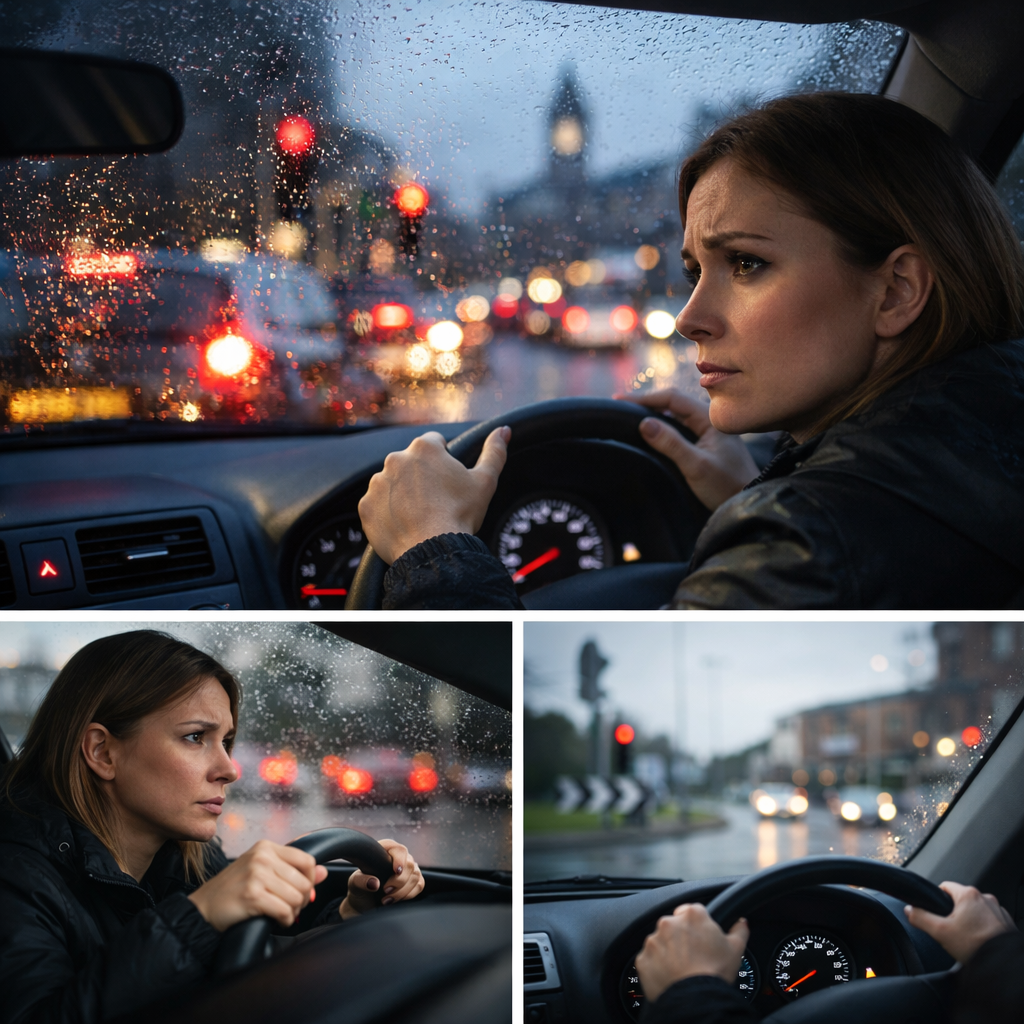
Psychological trauma is one of the most overlooked effects of road traffic accidents in Belfast.
Many people focus first on physical injuries such as whiplash, back pain or bruising, but emotional and psychological reactions can be just as significant. It is common for individuals to feel unsettled, anxious or overwhelmed in the days and weeks following an accident. Even incidents that seem minor at the time can leave a lasting emotional impact. People often describe how their mind continues to replay the event or how they find themselves feeling tense when driving through certain parts of Belfast where the accident occurred. These experiences are far more common than many realise and should never be dismissed.
Psychological trauma does not always appear immediately. Many individuals in Northern Ireland explain that they felt fine at the scene and only realised later that their confidence had been affected. Others notice changes in their sleep patterns or feel more nervous when travelling as a passenger. Some experience moments of irritability, difficulty concentrating or a sense of being on edge.
These reactions are a normal response to a sudden and unexpected event. Road traffic accidents interrupt a person’s sense of safety and control, and the mind often continues to process the experience long after the physical injuries have begun to settle.
Common Emotional Reactions After a Car Accident
People who reach out to speak with a solicitor frequently mention similar emotional symptoms. Many describe feeling nervous when returning to the road for the first time. Others struggle with intrusive thoughts about how the accident happened or what could have occurred. Some individuals report feeling jumpy when hearing loud noises or sudden braking sounds. These reactions often relate to the shock of the incident and the body’s attempt to protect itself from further harm.
It is also common for people to feel frustrated or embarrassed about their emotional response. They may believe they should be coping better or worry that others will not understand how they feel. In reality, psychological trauma after a road traffic accident is one of the most natural and widespread reactions and it affects people of all ages and backgrounds across Northern Ireland.
How Trauma Can Affect Daily Life
Psychological trauma can influence a person’s daily routine in many ways. Some individuals find it difficult to return to driving, especially if their accident occurred during heavy Belfast traffic or on a familiar route. Others begin avoiding certain roads or junctions associated with the incident. People may feel anxious when approaching roundabouts, merging lanes or busy motorway slip roads because these situations remind them of the accident.
Sleep disturbances are also very common. Individuals often report vivid dreams or restless nights where their mind replays the moment of impact. Lack of sleep can then contribute to irritability, fatigue and difficulty concentrating during the day. These challenges can make work, family life and ordinary tasks feel more overwhelming than usual. Many people feel frustrated that their emotions seem out of their control even though their physical injuries may be improving.
Why Psychological Trauma Happens After an RTA
A road traffic accident is a sudden and unexpected event that forces the mind and body into a heightened state of alert. The shock response is immediate and protective. Once the initial adrenaline wears off, the brain continues to process what happened. This can lead to heightened awareness, tension or ongoing fear. These emotional responses are not a sign of weakness. They are a natural part of the body’s recovery after a frightening experience.
People in Belfast and across Northern Ireland often describe feeling confused about why they are struggling emotionally when the physical injuries were relatively minor. It is important to understand that psychological trauma does not depend on the severity of the impact. Even low speed collisions can create sudden fear or panic, especially if a person felt trapped or powerless in the moment.
Roads and Conditions in Belfast That Contribute to Stress
Belfast roads can be busy and unpredictable. Congested areas such as the Westlink, Ormeau Road and the motorway network create environments where sudden braking and merging are common. These conditions can heighten anxiety after an accident, especially when drivers must return to similar traffic situations soon after the incident. Rural roads across Northern Ireland also contribute to stress because they often involve narrow bends, limited visibility and higher driving speeds. Individuals who experience trauma on rural roads may feel nervous approaching similar conditions again.
Weather conditions in Northern Ireland also play a role. Rain, frost and poor visibility increase the unpredictability of the road, and many people describe how certain weather triggers reminders of their accident. These emotional reactions are normal and shared by many others who have been involved in similar situations.
When People Choose to Speak with a Solicitor
People often choose to speak with a solicitor after experiencing psychological trauma following a road traffic accident because they want clarity and reassurance. These conversations are not about receiving legal advice. Instead, individuals want to understand what steps others usually take, what kind of evidence may be helpful and how emotional injuries are commonly addressed in personal injury claims. Many people feel more confident once they have spoken with someone who understands the common patterns of trauma after an accident and can explain how these experiences fit within the broader claims process.
At Lacey Solicitors we speak every day with individuals who are coping with emotional strain after accidents in Belfast and across Northern Ireland. Our team approaches every conversation with sensitivity and understanding, recognising that psychological trauma can be just as difficult to manage as a physical injury. You can find more information about our services on our Road Traffic Accident page.
Moving Forward After Psychological Trauma
Recovery from trauma is rarely straightforward. Some people begin to feel better within a few weeks, while others find that progress takes longer. It is normal for symptoms to fluctuate. Individuals may feel confident one day and anxious the next, especially if they encounter triggers that remind them of the accident. With time, support and patience, most people begin to regain their sense of confidence on the road and in everyday life.
Our team provides calm and compassionate guidance for individuals across Northern Ireland who are dealing with emotional and psychological effects after a road traffic accident. You can contact us through https://laceysolicitors.com/contact-us/ if you wish to discuss your situation with someone who understands the process.