
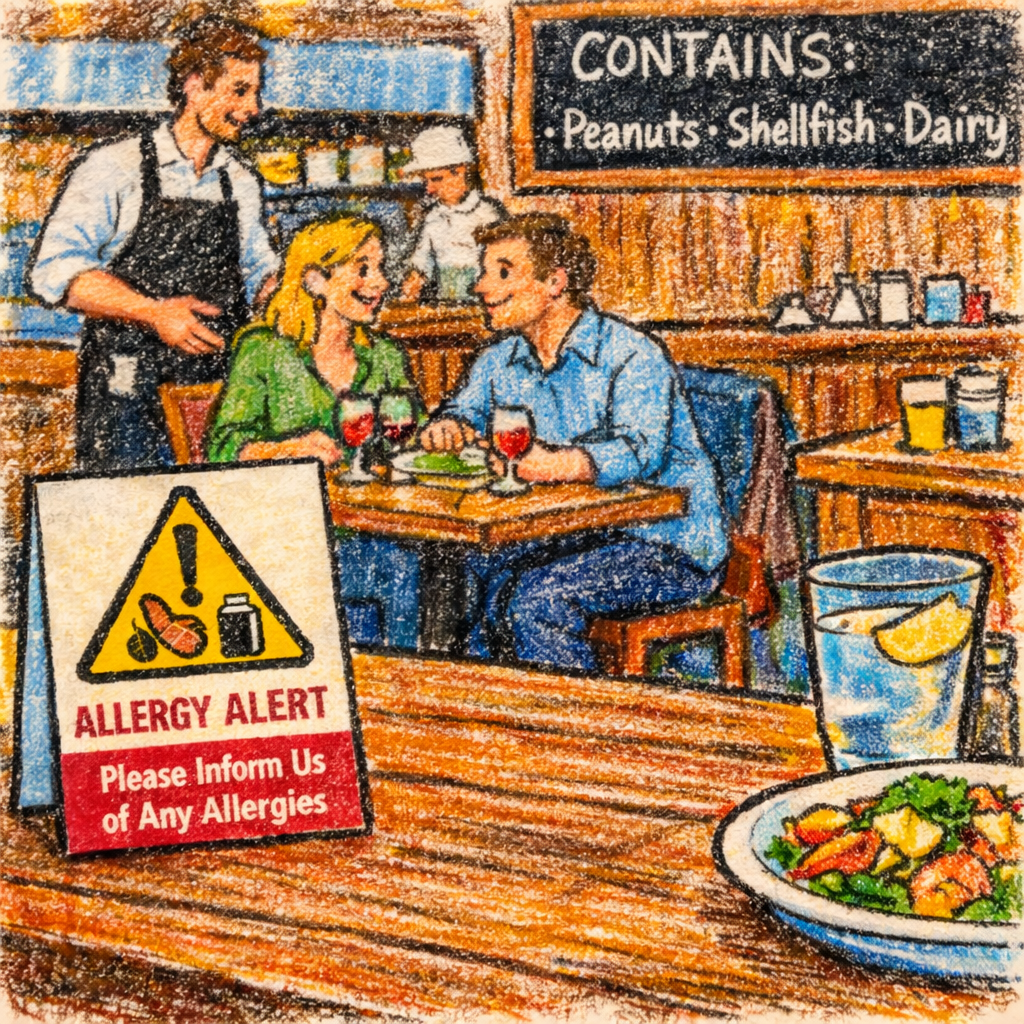
When contaminated or mislabelled food triggers an allergic reaction in Northern Ireland, courts must assess general damages despite the absence of a specific category within the Guidelines for the Assessment of General Damages in Personal Injury Cases in Northern Ireland (the “Green Book”).
Practitioners therefore often rely on analogous brackets such as food poisoning, neurological injury, or epileptic conditions when valuing these claims. This lack of direct guidance can create uncertainty in both settlement negotiations and litigation, particularly where the reaction involves anaphylaxis, seizures, or emergency hospital treatment.
As food allergy claims become increasingly common, this gap in the damages framework is becoming more apparent.
The Role of the Green Book in Assessing General Damages
In Northern Ireland, courts assess general damages for personal injury claims by reference to the Green Book damages guidelines.
The purpose of the Guidelines is to promote consistency, predictability and proportionality in the assessment of damages across personal injury litigation.
The Green Book provides damages brackets covering a wide range of injuries including:
- orthopaedic injuries
- psychiatric injury
- neurological damage
- illness caused by toxins or contaminated substances
For practitioners dealing with food contamination claims, the most relevant section is typically the category addressing illness caused by food poisoning.
However, the structure of that section reflects gastrointestinal illness, rather than allergic reactions caused by allergen exposure.
Damages Guidance for Food Poisoning Claims
The Green Book contains brackets for illness caused by food poisoning, typically involving symptoms such as:
- vomiting
- diarrhoea
- abdominal pain
- fever
- temporary gastrointestinal illness
These cases generally involve short-term illness caused by contaminated food, with recovery occurring within a limited period.
Higher awards may arise where:
- symptoms persist for longer periods
- hospital treatment is required
- complications develop
However, these brackets are primarily designed to address gastrointestinal illness, not anaphylactic reactions triggered by allergen contamination.
Allergic Reactions to Contaminated Food
A growing number of personal injury claims involve allergic reactions triggered by contaminated or mislabelled food and we previously wrote about the experience of our client Ciara.
These claims frequently arise where:
- restaurants fail to disclose allergens
- cross-contamination occurs during food preparation
- packaged food products are incorrectly labelled
- food safety procedures are inadequate
For individuals with severe allergies, exposure to allergens such as nuts, shellfish, dairy or sesame can trigger an immediate and potentially life-threatening reaction.
Symptoms may include:
- anaphylaxis
- respiratory distress
- collapse or loss of consciousness
- seizures
- emergency treatment with adrenaline
Although these episodes may sometimes be short-lived, they can involve significant medical intervention and considerable distress for the individual.
When Allergic Reactions Cause Seizures
A particularly complex issue arises where an allergic reaction to contaminated food results in seizure activity.
Seizures may occur due to:
- severe anaphylactic reactions
- oxygen deprivation caused by respiratory distress
- extreme physiological stress during the reaction
In many cases the seizure is an isolated event, and the claimant does not develop epilepsy.
Nevertheless, the episode may involve:
- ambulance attendance
- emergency treatment
- hospital admission
- temporary neurological symptoms
Despite the seriousness of such events, the Northern Ireland Green Book damages guidelines contain no specific bracket addressing seizures caused by allergic reactions.
How Are General Damages Assessed for Allergic Reactions to Contaminated Food in Northern Ireland?
Where contaminated food causes an allergic reaction, courts must assess general damages by examining the nature and severity of the medical episode.
Because the Green Book does not contain a specific bracket for allergic reactions or anaphylaxis, practitioners and courts often rely on analogous injury categories when valuing these claims.
Possible comparators include:
Food Poisoning
The food poisoning brackets may provide a starting point, particularly where the symptoms are short-lived.
However, these brackets may undervalue cases involving anaphylaxis or seizure activity, as they are primarily designed to address gastrointestinal illness.
Epileptic Conditions
Where a seizure occurs, practitioners may look to the brackets relating to epileptic conditions.
This comparison is often imperfect where:
- the claimant does not suffer from epilepsy
- the seizure is an isolated episode
- the seizure was triggered solely by the allergic reaction.
Neurological Injury
In some cases, the injury may also be compared with minor neurological injury.
Again, this approach requires courts to rely heavily on analogy rather than direct guidance.
Why This Gap in the Green Book Matters
The absence of specific guidance for allergic reaction claims caused by contaminated food creates several practical difficulties.
Inconsistent Settlement Values
Without a clear damages bracket, similar claims may be valued very differently.
Uncertainty for Practitioners
Solicitors advising clients may find it difficult to predict likely damages with confidence which normally means more cases proceeding to court.
Increasing Relevance
Food allergy claims have become more common due to:
- increased awareness of food allergies
- stricter allergen labelling requirements
- greater public awareness of allergen risks
As these claims become more frequent, the absence of clear damages guidance becomes increasingly significant.
Factors Likely to Influence General Damages
In the absence of specific guidelines, courts assessing general damages for allergic reactions to contaminated food may consider:
- the severity of the allergic reaction
- whether anaphylaxis occurred
- the presence of seizures or neurological symptoms
- the duration of symptoms
- whether hospital admission was required
- the extent of emergency medical treatment
- the psychological impact of the incident
These factors may ultimately determine whether the injury is best viewed as:
- serious illness
- neurological injury
- or a severe but temporary medical episode.
Conclusion on Claims for Allergic Reactions
The Northern Ireland Green Book damages guidelines provide valuable guidance across many areas of personal injury litigation. However, they contain no clear category addressing severe allergic reactions caused by contaminated food, particularly where such reactions lead to seizures or other neurological symptoms.
As allergen contamination claims become more common, this gap in the Guidelines may create increasing uncertainty in the assessment of general damages in Northern Ireland personal injury claims.
Future revisions of the Green Book may therefore benefit from including specific guidance addressing anaphylactic reactions and allergen contamination injuries, providing greater clarity for practitioners, insurers and courts.